In this article
- 1 How to care for Digitalis: expert tips for thriving garden plants
- 1.1 What are Digitalis plants?
- 1.2 When to plant Digitalis
- 1.3 How to care for Digitalis
- 1.3.1 Light and location
- 1.3.2 Soil
- 1.3.3 Watering
- 1.3.4 Pruning
- 1.4 Winter care for Digitalis
- 1.5 Where to place Digitalis in the garden
- 1.6 FAQ about Digitalis
- 1.7 Buy Digitalis plants online
How to care for Digitalis: expert tips for thriving garden plants
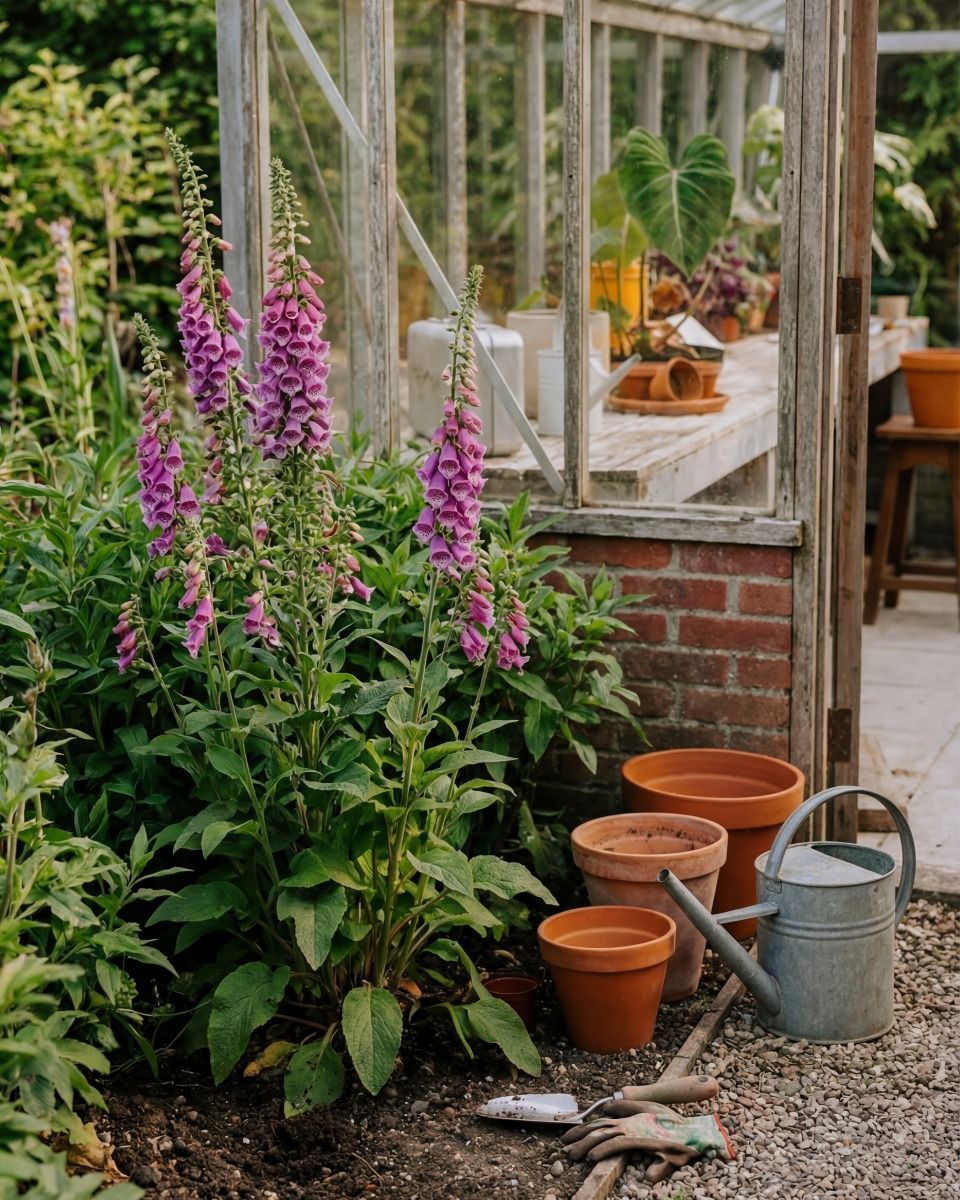
Digitalis, also known as foxglove, is a striking and elegant garden plant loved for its tall flower spikes and tubular blooms. Flowering in late spring and early summer, Digitalis adds height, colour and a romantic cottage garden feel to borders and mixed plantings.
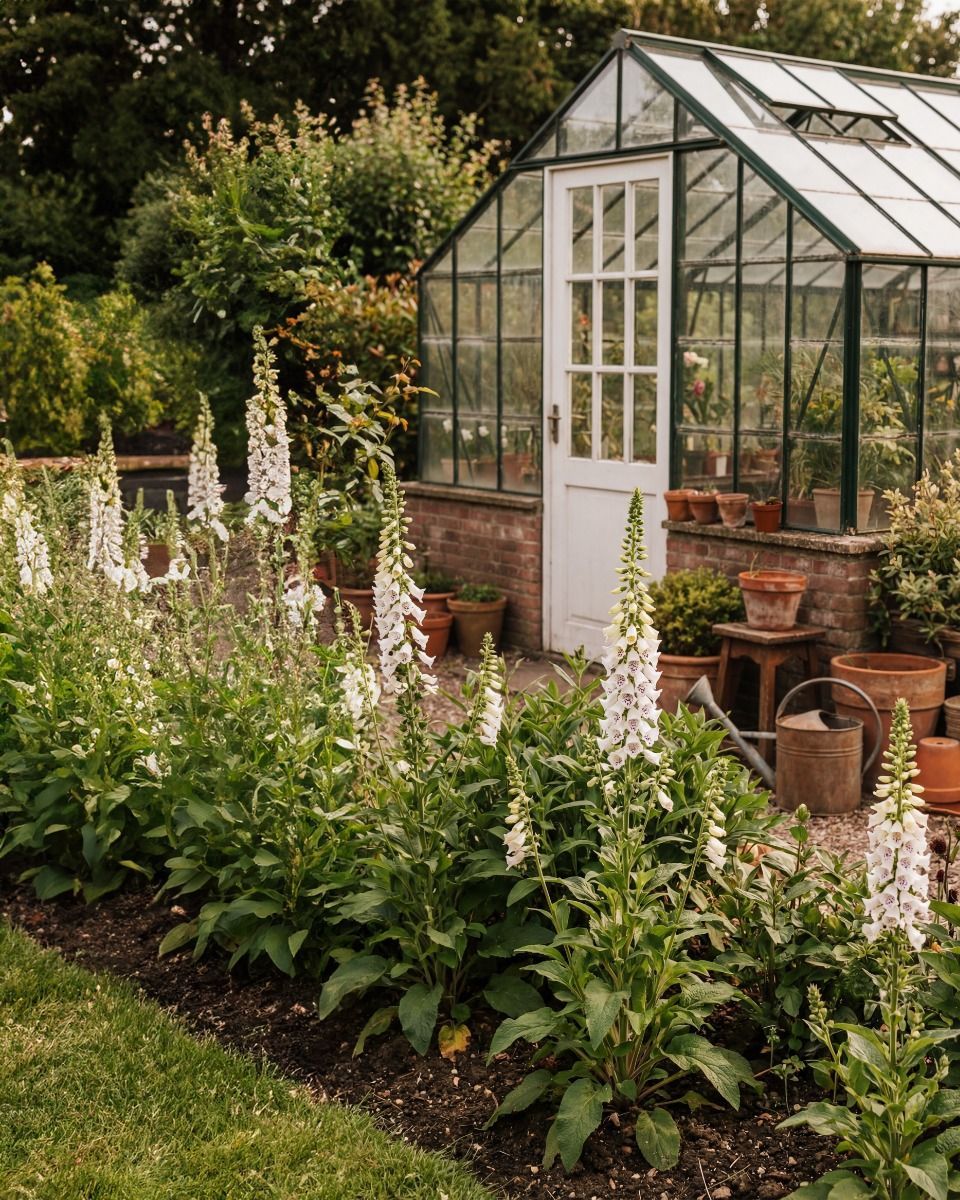
With beautiful varieties such as Digitalis purpurea ‘Gloxiniiflora’, known for its large, open-faced flowers, and Digitalis purpurea ‘Dalmatian White’, with its elegant white blooms, this plant family brings soft vertical structure and charm to any outdoor space. Digitalis is perfect for gardeners looking to create a natural, pollinator-friendly garden.
What are Digitalis plants?
Digitalis is a flowering plant native to Europe and parts of Western Asia. It is best known for its tall stems covered in bell-shaped or tubular flowers that bloom in shades of pink, purple and white.
Digitalis purpurea is the most well-known species and is often grown as a biennial or short-lived perennial. The first year it forms a rosette of leaves, and in the second year it produces tall flower spikes.
Digitalis purpurea ‘Gloxiniiflora’ features large, outward-facing flowers with a striking appearance, while ‘Dalmatian White’ produces soft white blooms with delicate markings inside the throat. These varieties typically grow between 60 and 100 cm tall, making them ideal for the middle or back of a border.
When to plant Digitalis
The best time to plant Digitalis is in spring or early autumn. During these cooler periods, the roots can establish well before the flowering season or winter arrives.
Spring planting allows Digitalis to settle in and potentially flower in the same year, depending on the variety. Autumn planting works well for strong root development before winter.
How to care for Digitalis
Digitalis is relatively easy to grow and thrives in slightly sheltered garden conditions. With the right soil and location, it will reward you with elegant flower spikes year after year.
Light and location
Digitalis grows best in partial shade to full sun. In warmer climates, light afternoon shade is beneficial to protect the flowers from intense heat.
Choose a sheltered spot protected from strong winds, as tall flower stems can bend in exposed areas. Digitalis fits beautifully into cottage gardens and naturalistic planting schemes.
Soil
Digitalis prefers well-draining, fertile soil that retains some moisture. The soil should not remain waterlogged, especially during winter.
Improving the soil with compost before planting will help encourage strong growth and abundant flowering.
Watering
Keep the soil consistently moist during the growing season, particularly during dry periods. While Digitalis does not like overly wet soil, it also does not tolerate prolonged drought.
Water young plants regularly while they establish. Once settled, they require moderate watering.
Pruning
After flowering, you can remove faded flower spikes to keep the plant looking tidy. If you allow some flowers to set seed, Digitalis may self-seed naturally in the garden.
In autumn, cut back spent stems to ground level. This helps the plant conserve energy for the next growing season.
Winter care for Digitalis
Digitalis is winter hardy in most moderate climates. In colder regions, a light layer of mulch around the base can help protect the roots during severe frost.
Ensure the soil drains well during winter, as overly wet conditions can cause root problems. In spring, new growth will emerge from the base of the plant.
Where to place Digitalis in the garden
Digitalis is ideal for cottage gardens, woodland-style plantings and mixed perennial borders. Its tall flower spikes add vertical interest and pair beautifully with roses, salvia, delphinium and ornamental grasses.
It works best in the middle or back of a border, where its height can create depth and structure. The soft tones of ‘Dalmatian White’ and the bold blooms of ‘Gloxiniiflora’ blend beautifully with both pastel and vibrant colour schemes.
Digitalis is also a valuable plant for pollinator-friendly gardens, attracting bees and other beneficial insects.
FAQ about Digitalis
Is Digitalis wildlife friendly?
Yes, Digitalis attracts bees and other pollinators, making it a great addition to a biodiversity-friendly garden.
Is Digitalis winter hardy?
Yes, Digitalis is winter hardy in most climates when planted in well-draining soil.
Does Digitalis come back every year?
Digitalis purpurea is often grown as a biennial or short-lived perennial. It may self-seed and return naturally in the garden.
Can Digitalis grow in partial shade?
Yes, Digitalis grows very well in partial shade and tolerates some sun.
Is Digitalis poisonous?
Yes, all parts of Digitalis are toxic if ingested, so it should be planted with care in gardens with pets or small children.
Buy Digitalis plants online
Looking to buy high-quality Digitalis plants online? Discover our carefully selected varieties, including Digitalis purpurea ‘Gloxiniiflora’ and Digitalis purpurea ‘Dalmatian White’.
These elegant foxgloves are perfect for cottage gardens, mixed borders and pollinator-friendly plantings. Our garden plants are strong, healthy and ready to thrive in your outdoor space, so you can enjoy graceful flower spikes and beautiful summer colour year after year.