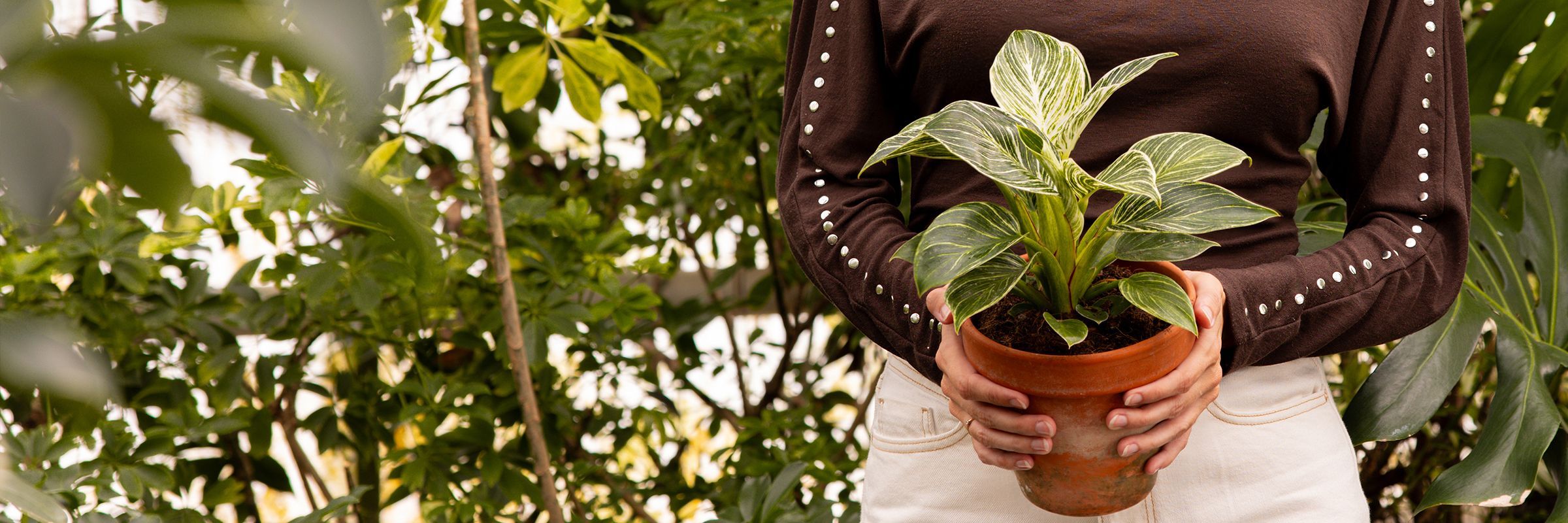
Plant of the Month
The Philodendron Birkin is one of the most eye-catching houseplants around. In this care guide, you'll learn how to care for a Philodendron Birkin, including watering, light, soil, humidity, propagation and common leaf problems.
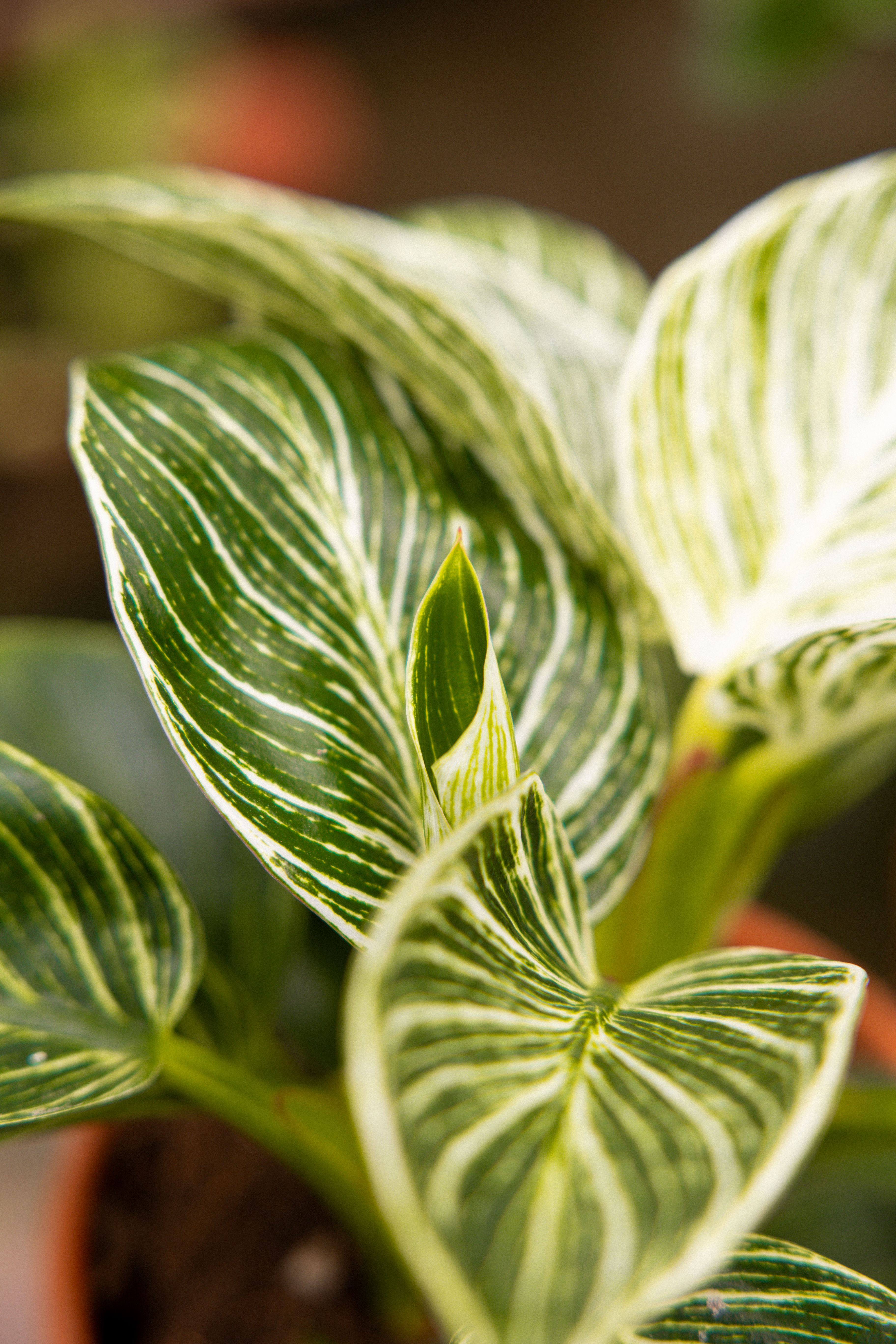
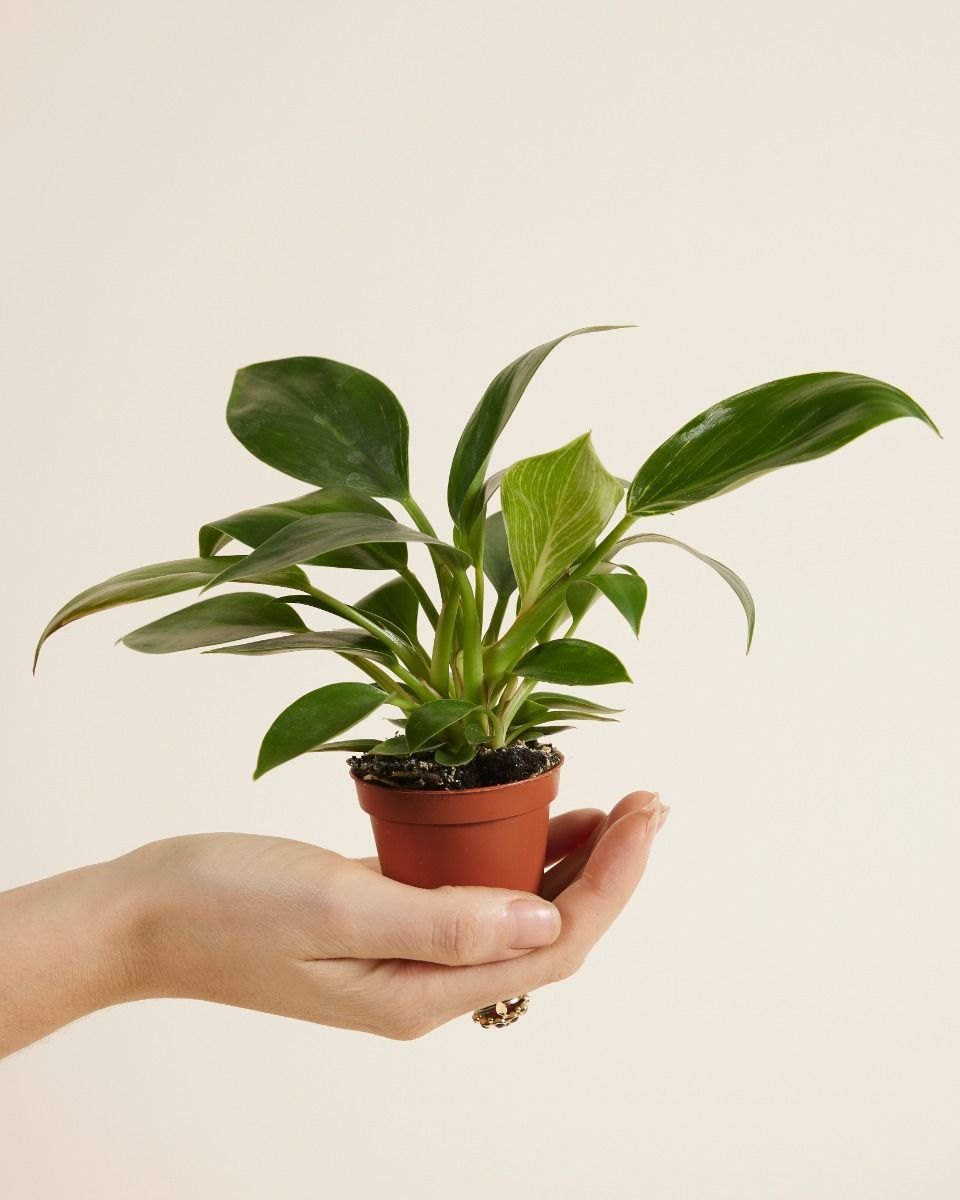
With her glossy dark green leaves decorated with delicate creamy white pinstripes, the Philodendron Birkin brings a modern, elegant touch to any indoor jungle. Her compact, upright growth makes her perfect for shelves, side tables or desks, where her striking foliage can truly stand out.
Fun fact! The Philodendron Birkin is not found growing naturally in the wild. She developed as a spontaneous mutation of the Philodendron Rojo Congo and became loved for her unusual striped leaves.
Philodendron Birkin
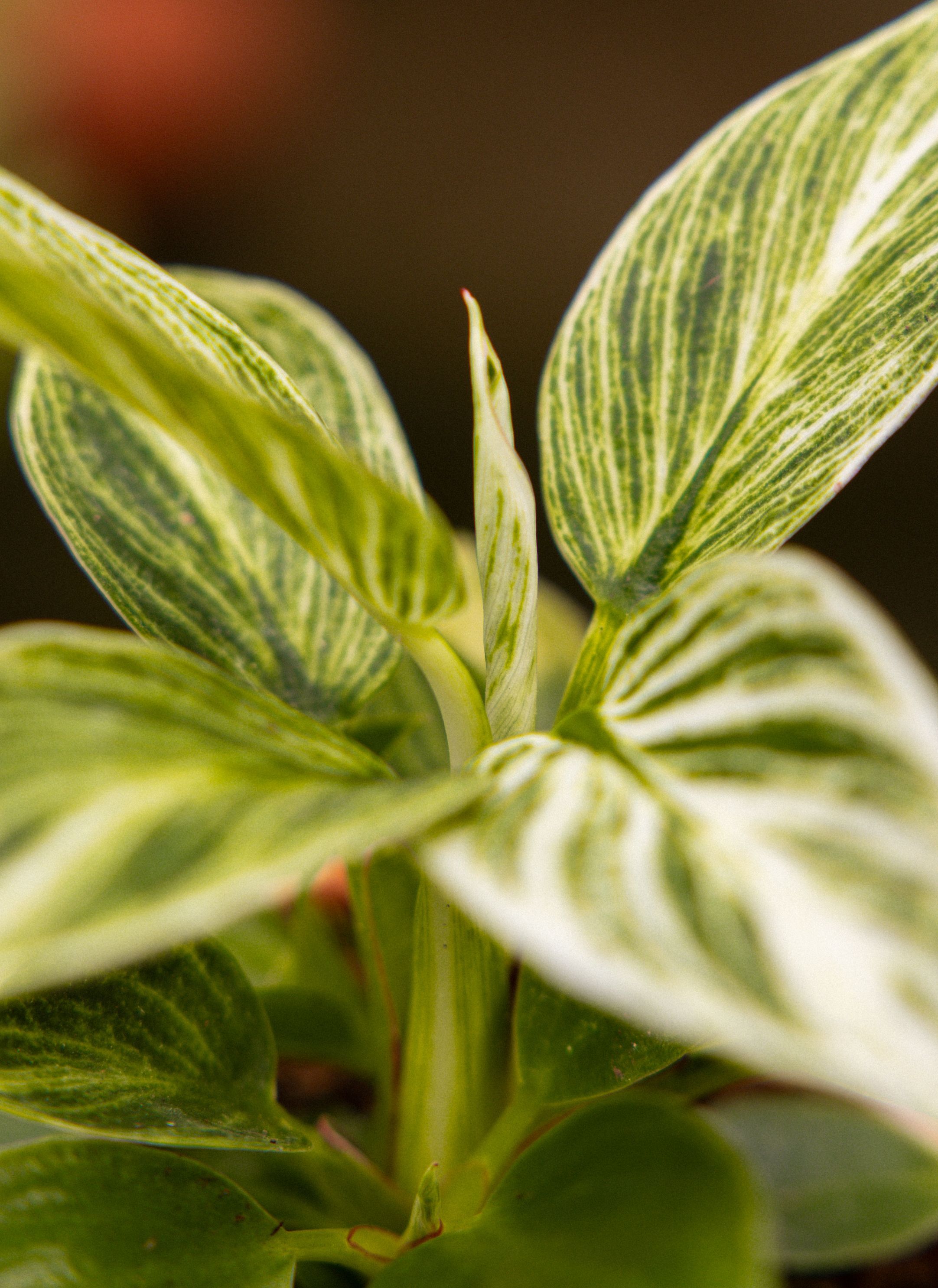

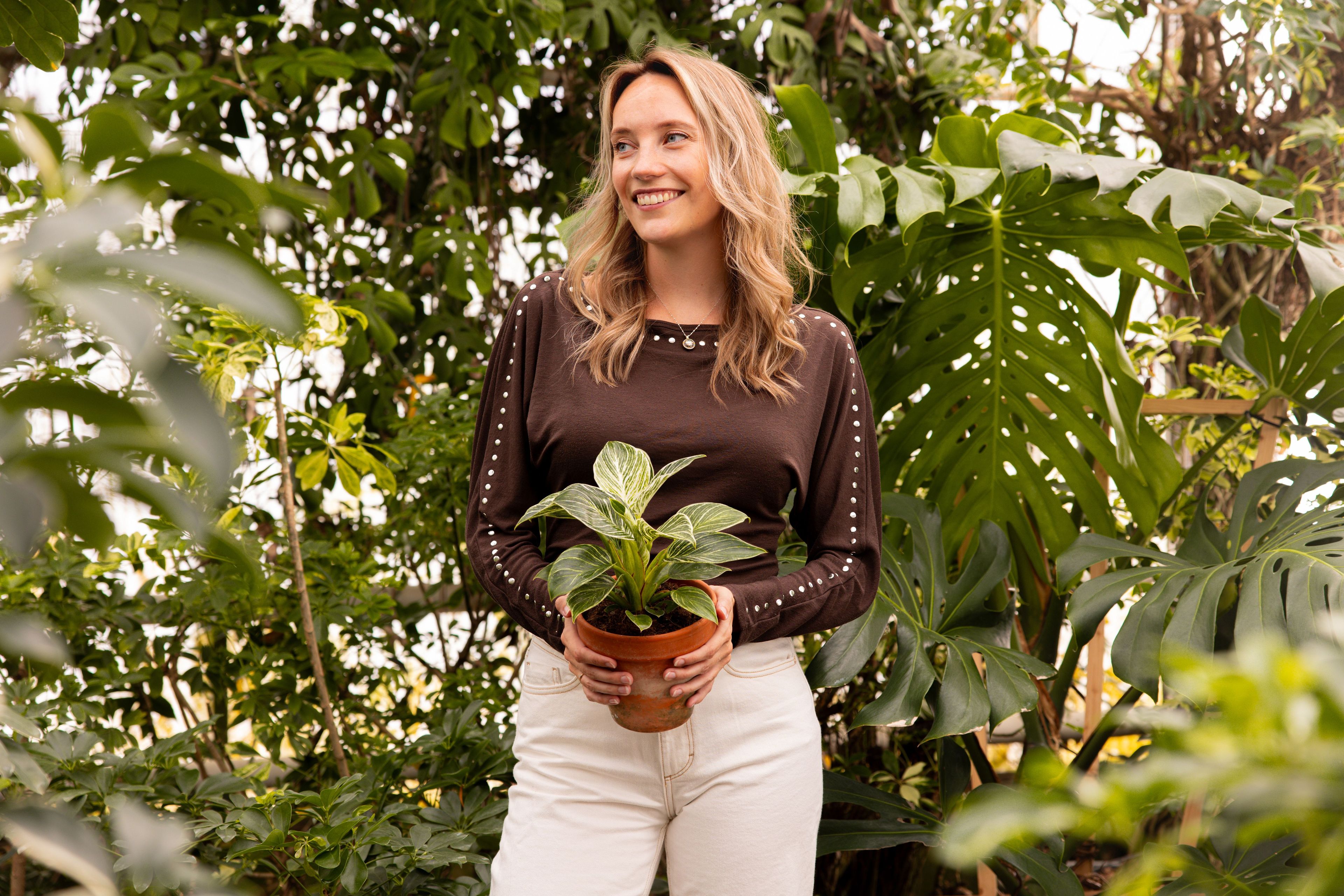
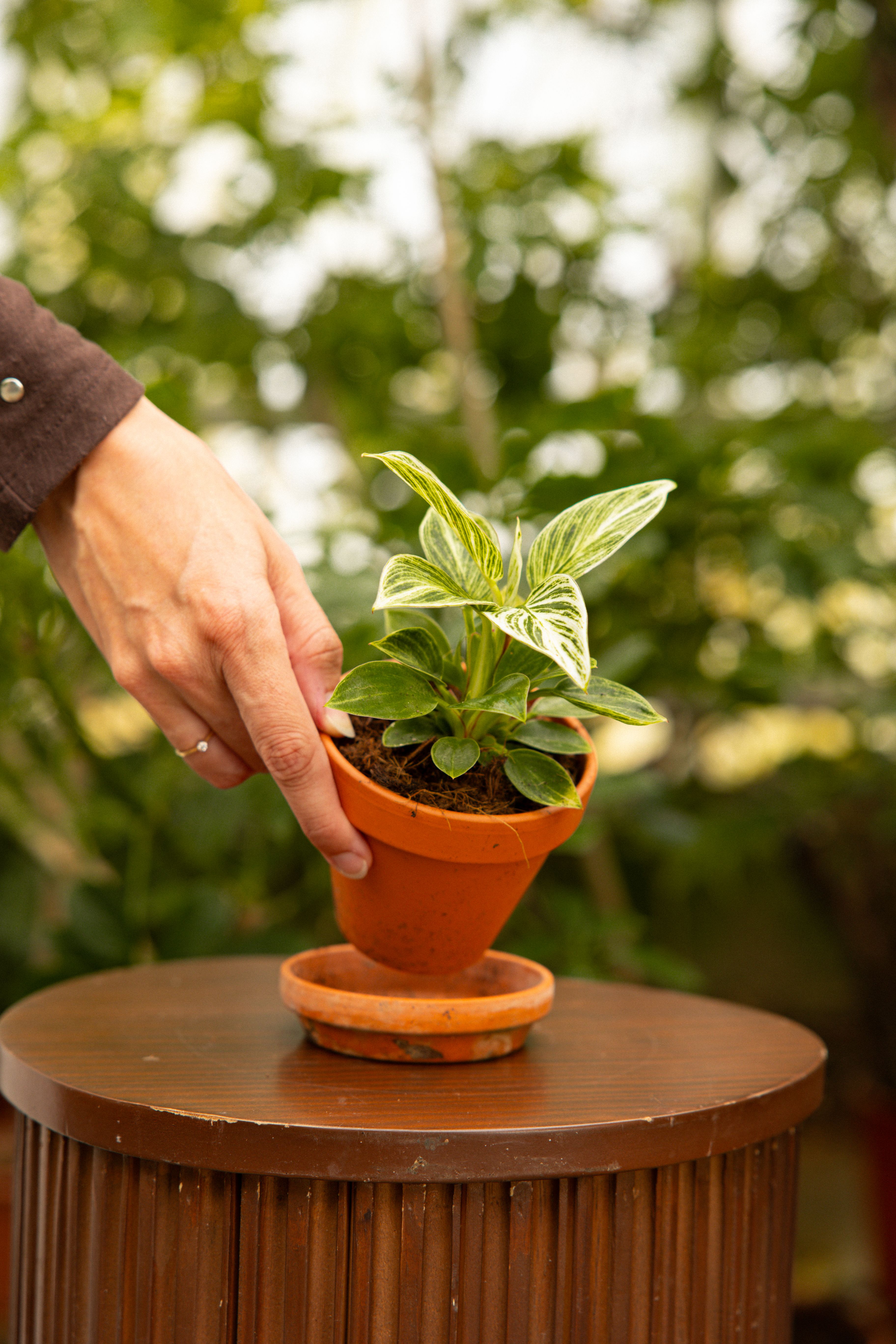
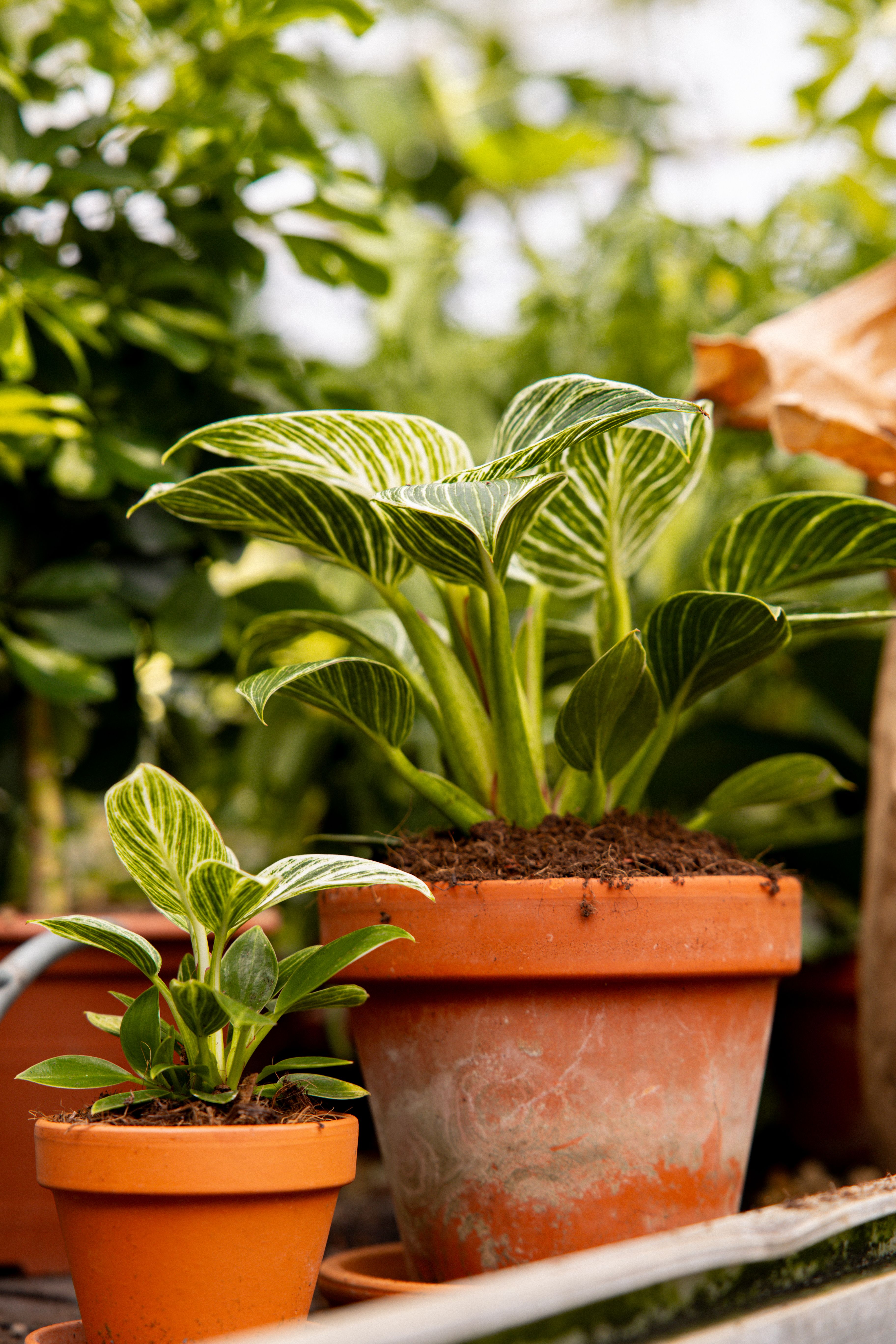
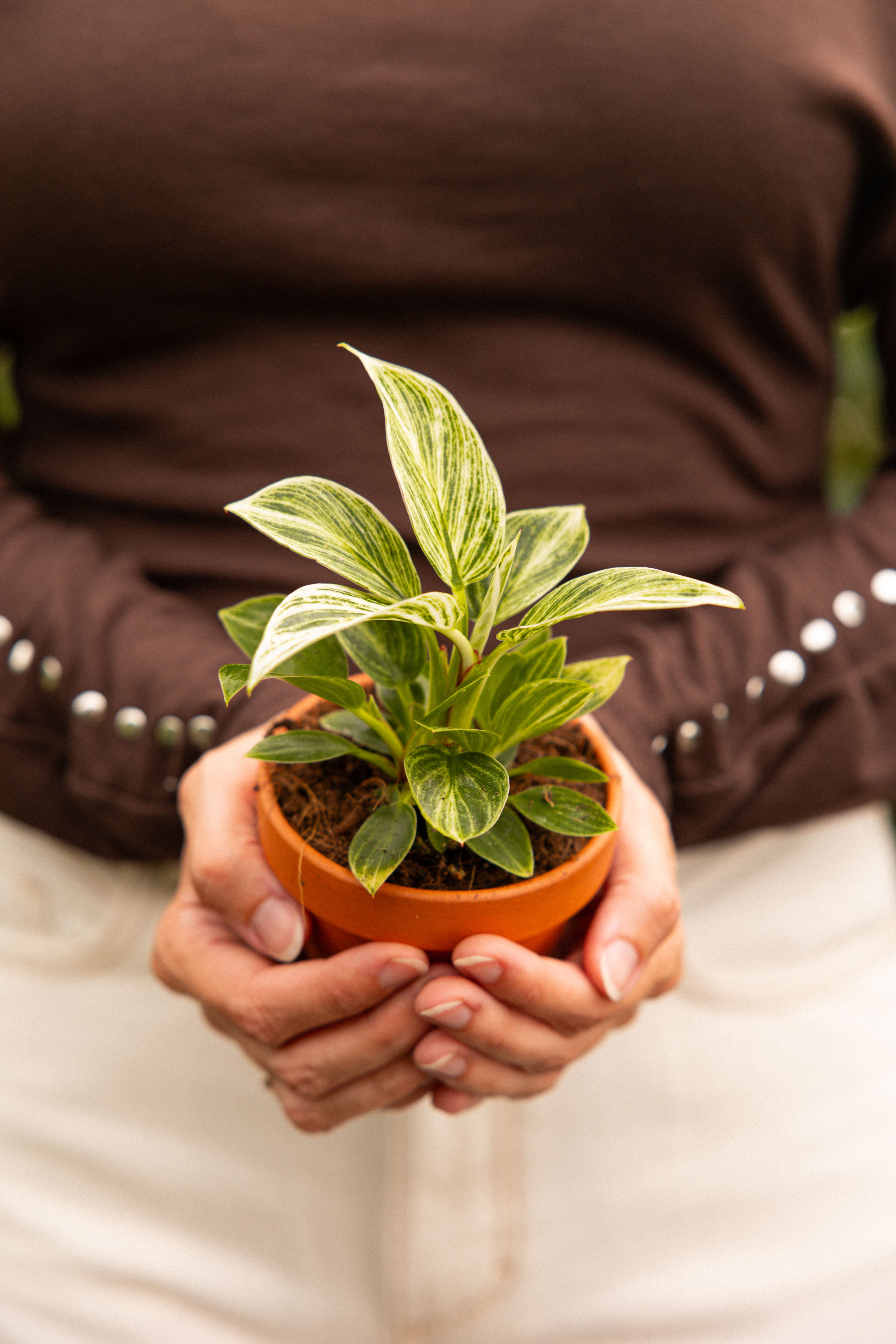
Although her exact origins are still a bit of a mystery, the Philodendron Birkin is believed to be a naturally occurring mutation of the Philodendron Rojo Congo. Unlike many other Philodendrons that climb, Birkin has a compact, self-heading growth habit, forming a neat upright rosette that stays beautifully full.
Fun fact! Every now and then, a Birkin can surprise you by producing leaves with more green than white, or even reddish tones that resemble her Rojo Congo parent. It's one of the things that makes this plant so fascinating.
Philodendron Birkin care guide
The Philodendron Birkin may look like a collector's plant, but she's surprisingly easy to care for. Give her plenty of bright light, water when needed and a cosy spot with stable temperatures, and she'll continue rewarding you with beautifully striped new leaves.
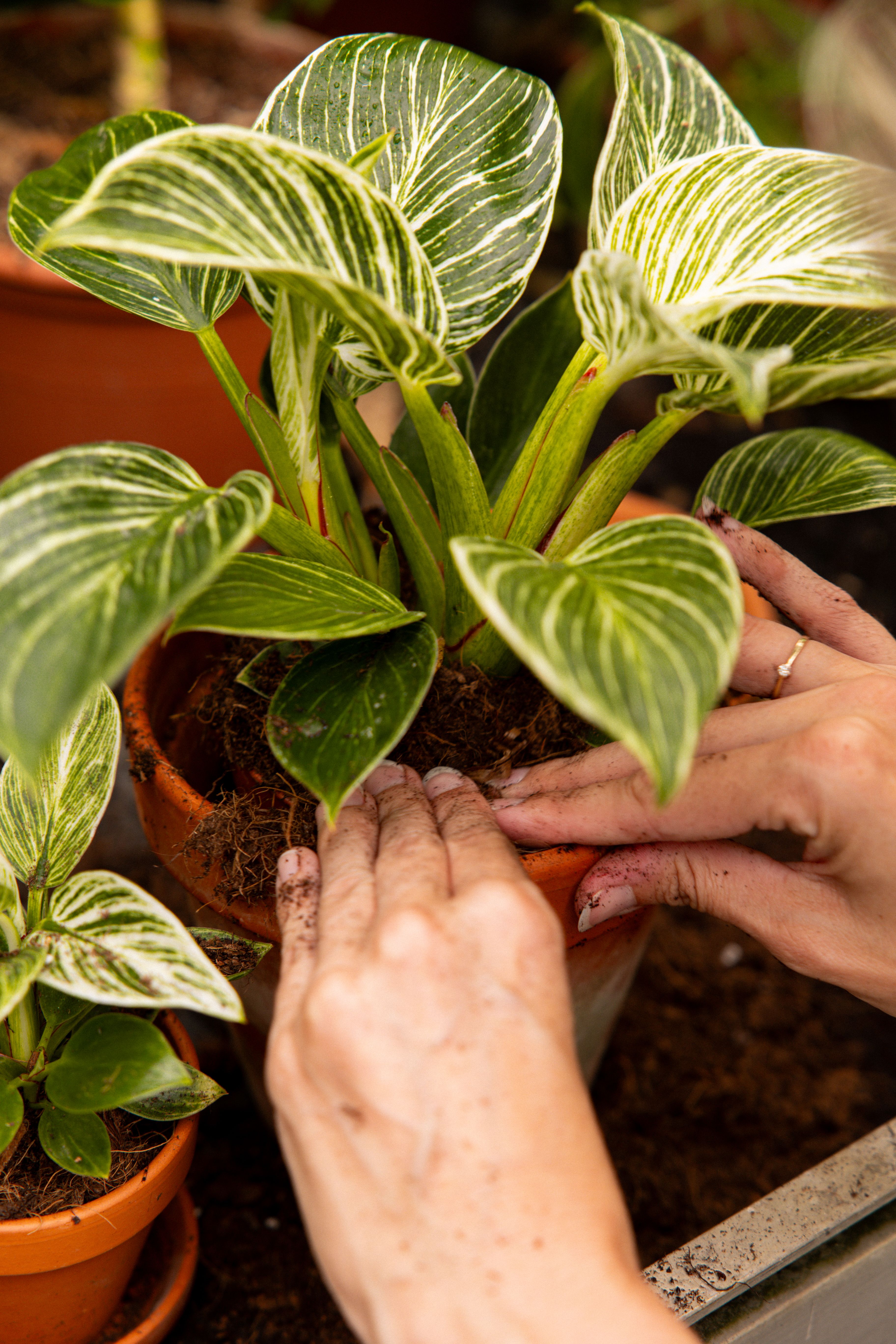
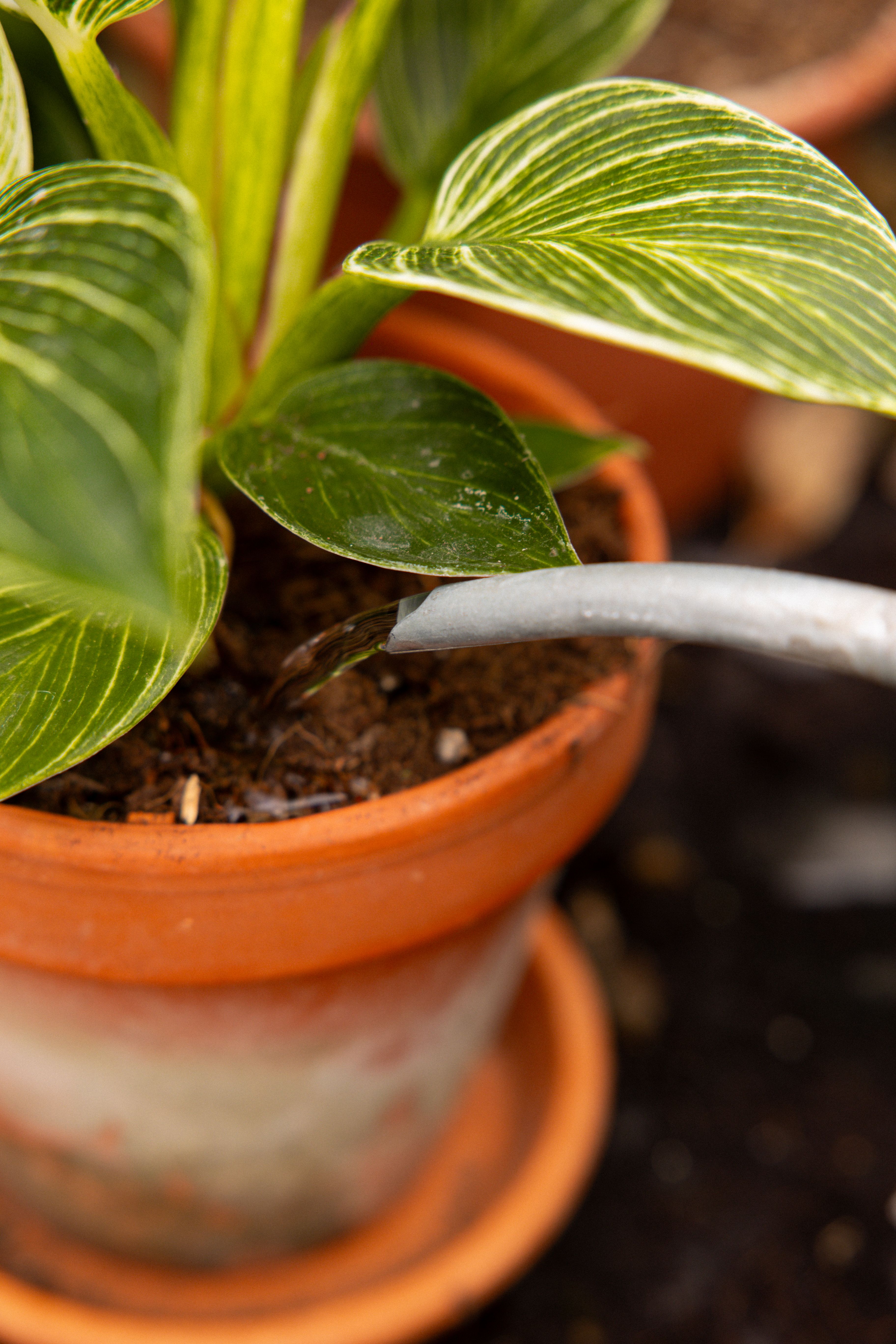
How often should you water a Philodendron Birkin?
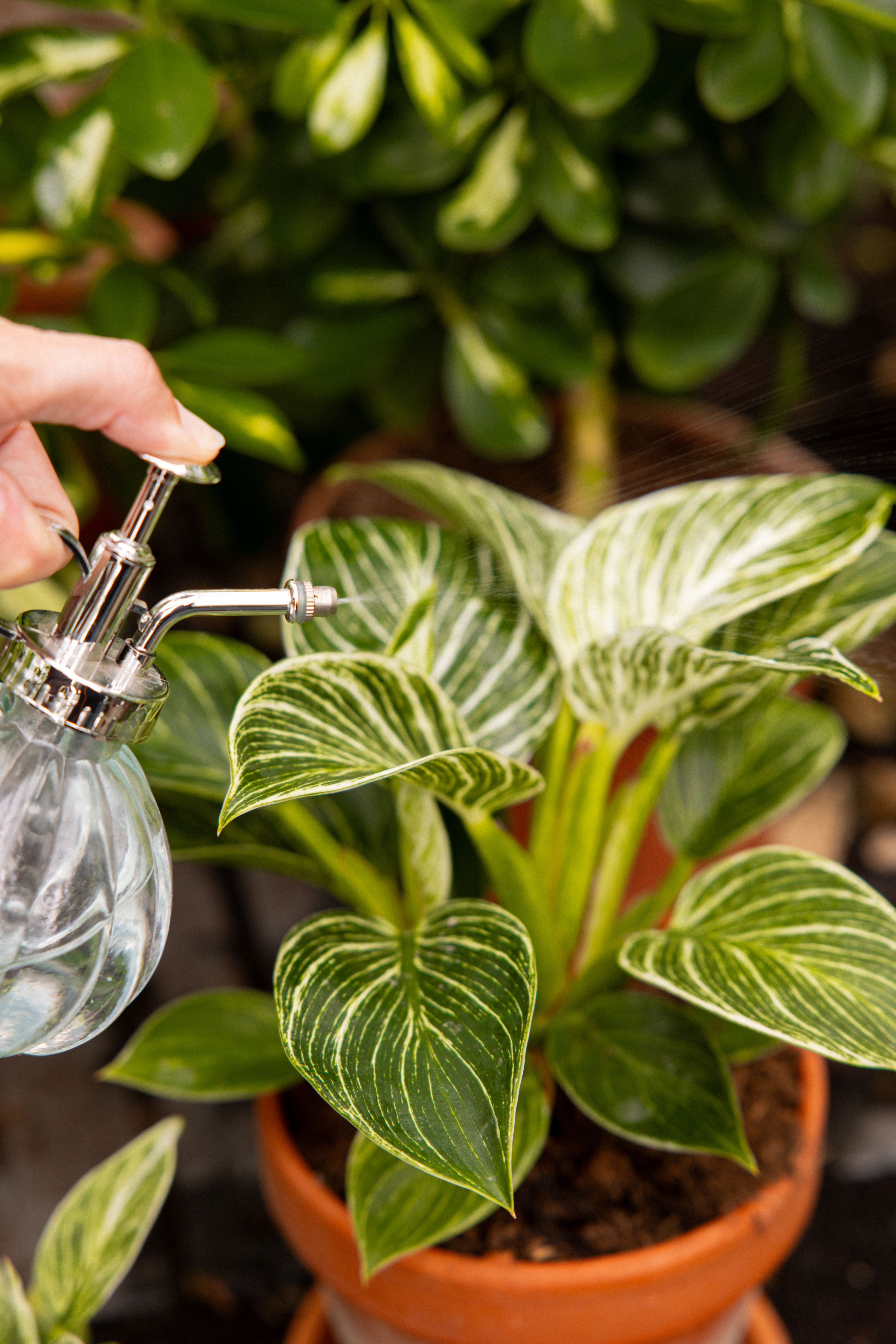
Allow the top few centimetres of soil to dry out before watering again. Birkin prefers slightly moist soil, but never likes sitting in wet compost. Always use a pot with drainage holes so excess water can escape, helping to prevent root rot.
Tip! If the leaves start turning yellow, you're probably watering too much. Brown, crispy leaf edges often point to underwatering or very dry air.
How much light does a Philodendron Birkin need?
Bright, indirect light is ideal. Plenty of daylight encourages strong growth and keeps her signature white variegation looking crisp and vibrant. While she tolerates medium light, too little light can result in slower growth and greener leaves with less contrast. Avoid harsh afternoon sun, as it may scorch the foliage.
Fun fact! The amount of white striping often depends on the light she receives. Brighter indirect light usually encourages stronger variegation.
Best soil mix for Philodendron Birkin
She grows best in a light, airy potting mix that drains well while retaining a little moisture. A mixture of houseplant soil with perlite and orchid bark provides the perfect balance of airflow and moisture for healthy roots.
Best temperature and humidity for Philodendron Birkin
As a tropical plant, Birkin enjoys temperatures between 18 and 27°C. Keep her away from cold drafts and sudden temperature changes. She adapts well to average household humidity but will appreciate a little extra humidity, especially during the winter months or in dry homes.
Fun fact! Philodendrons are native to tropical forests, where warm temperatures and high humidity help them produce those large, glossy leaves we all love.
How to propagate Philodendron Birkin
Philodendron Birkin is most easily propagated by division. Mature plants often produce small offsets at the base, making it easy to grow a second plant. The best time to divide your Birkin is during spring or early summer, when she's actively growing.
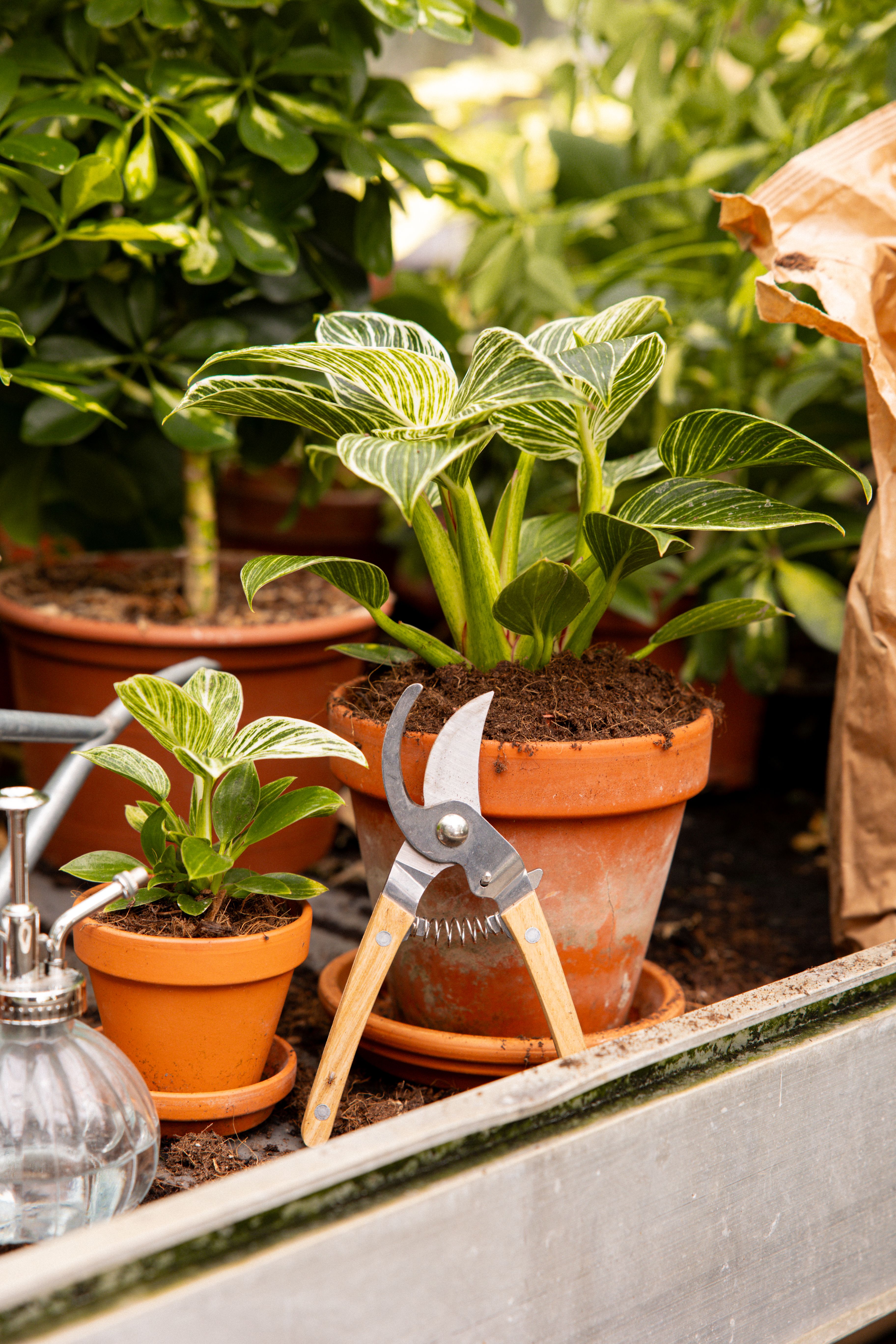
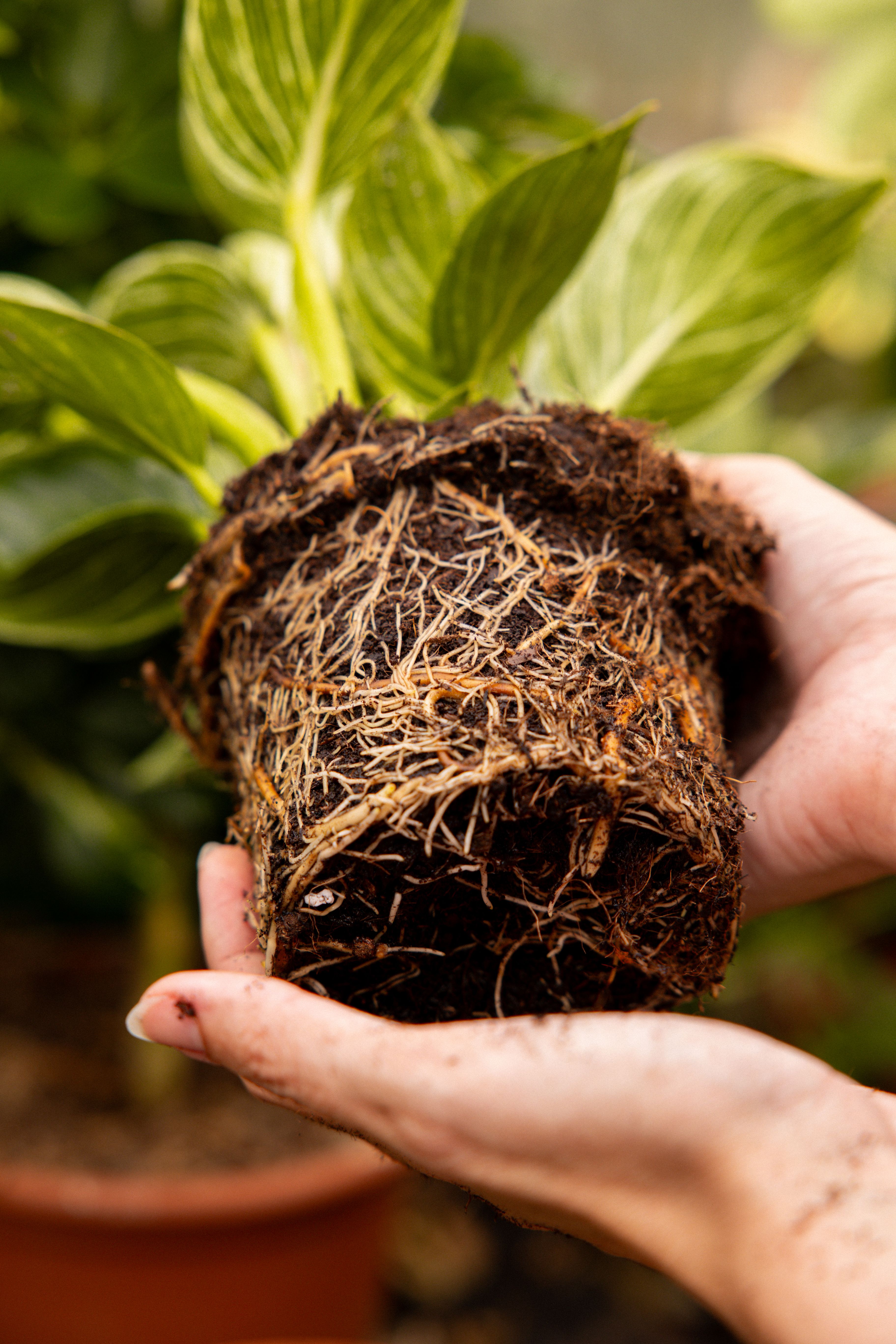
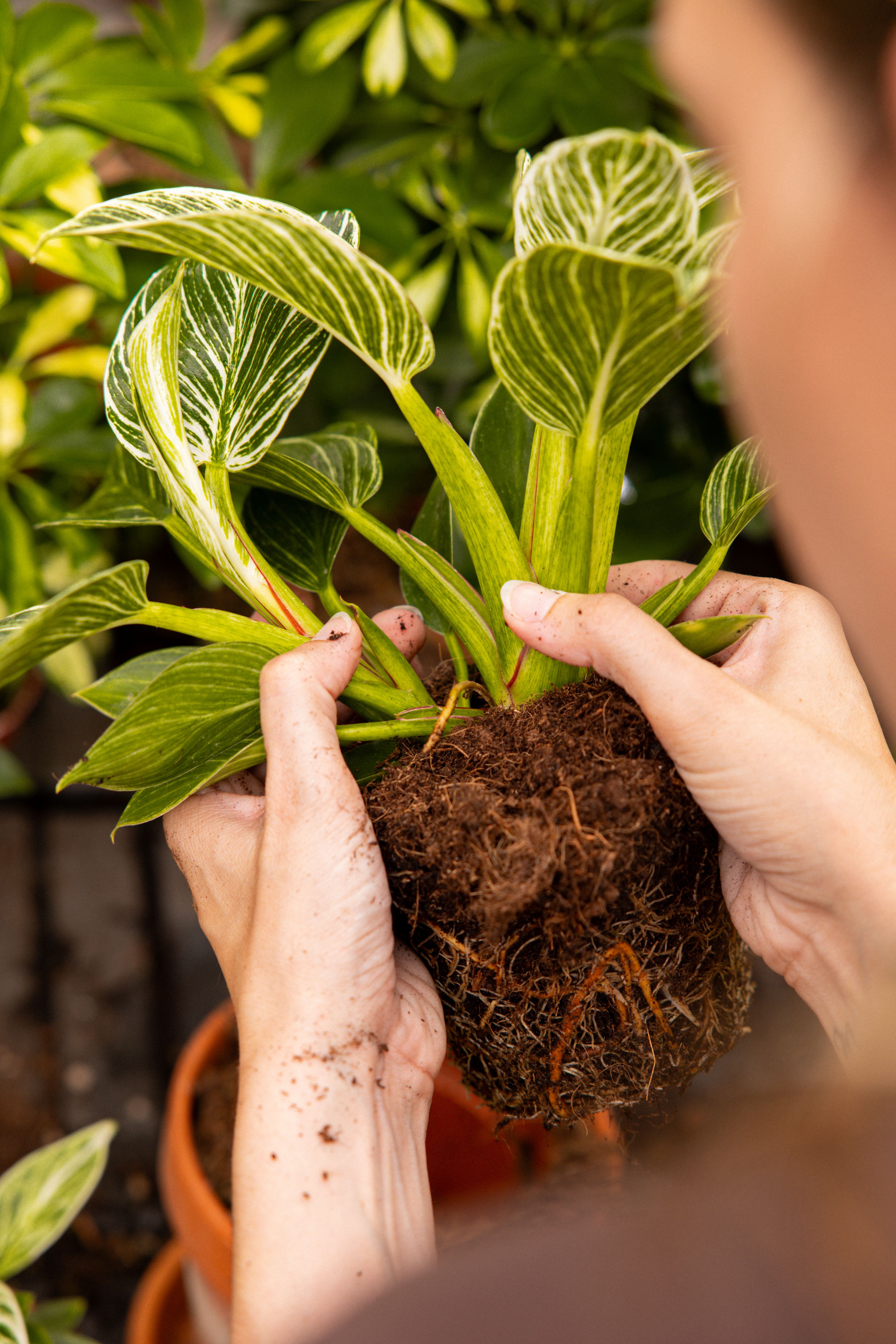
Step 1. Wait for a mature plant
Choose a healthy, well-established Birkin with one or more offsets growing from the base. Each offset should have several leaves and its own roots for the best chance of success.
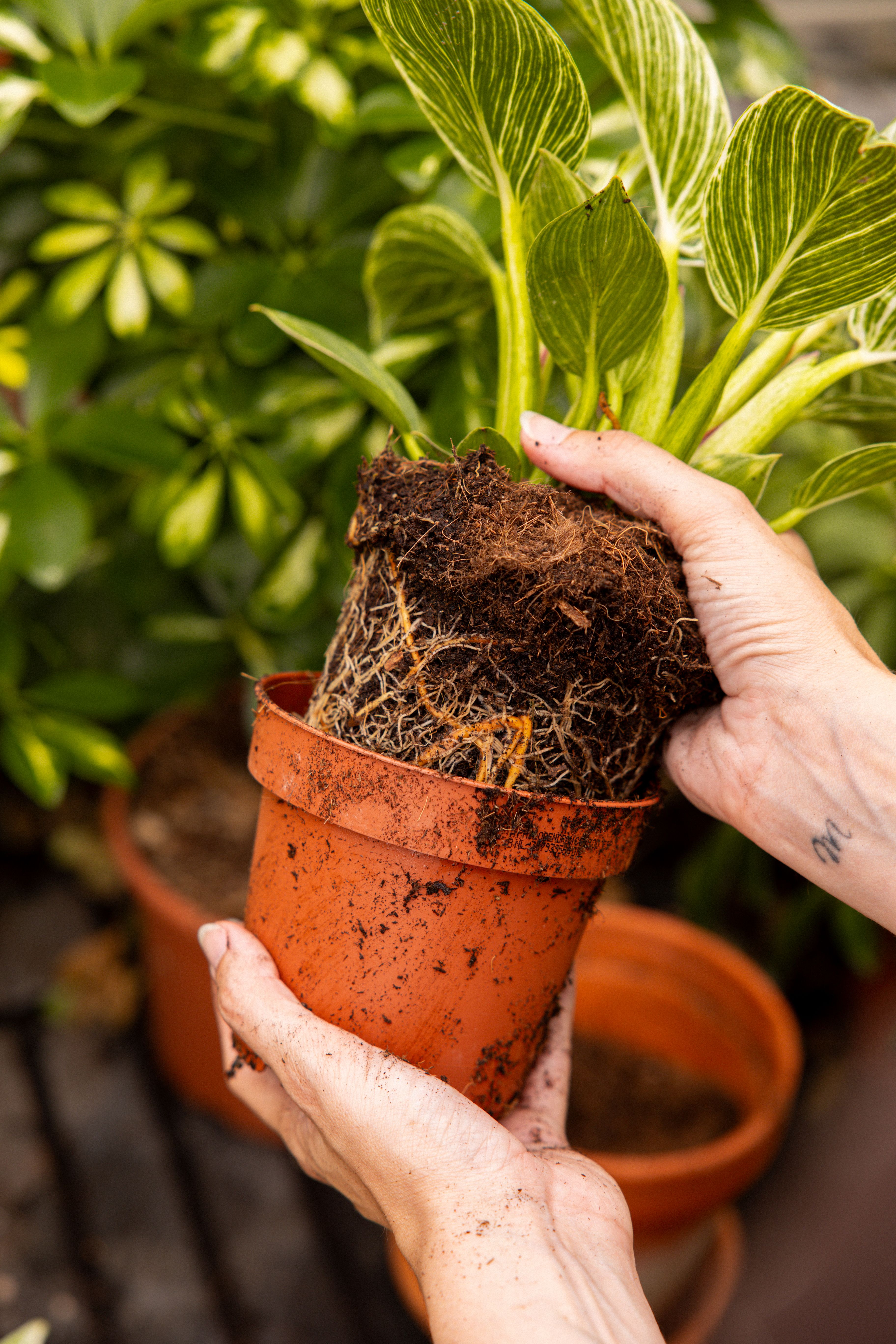
Step 2. Remove the plant from the pot
Gently slide the plant out of its pot and carefully loosen the soil around the roots so you can clearly see where the offset is attached.
Step 3. Separate the offset
Using clean hands or a sterilized knife, carefully separate the offset from the mother plant, making sure it keeps as many roots as possible.
Step 4. Pot up your new plant
Place the new Birkin into its own pot with a light, well-draining aroid mix. Water lightly to help the soil settle around the roots.
Step 5. Give her time to settle
Keep the new plant somewhere warm with bright, indirect light. Maintain lightly moist soil and, if possible, slightly higher humidity while she establishes herself.
Fun fact! A mature Philodendron Birkin can naturally produce several offsets over time, allowing you to grow your own little Birkin family without taking a single cutting.
Buy Philodendron Birkin
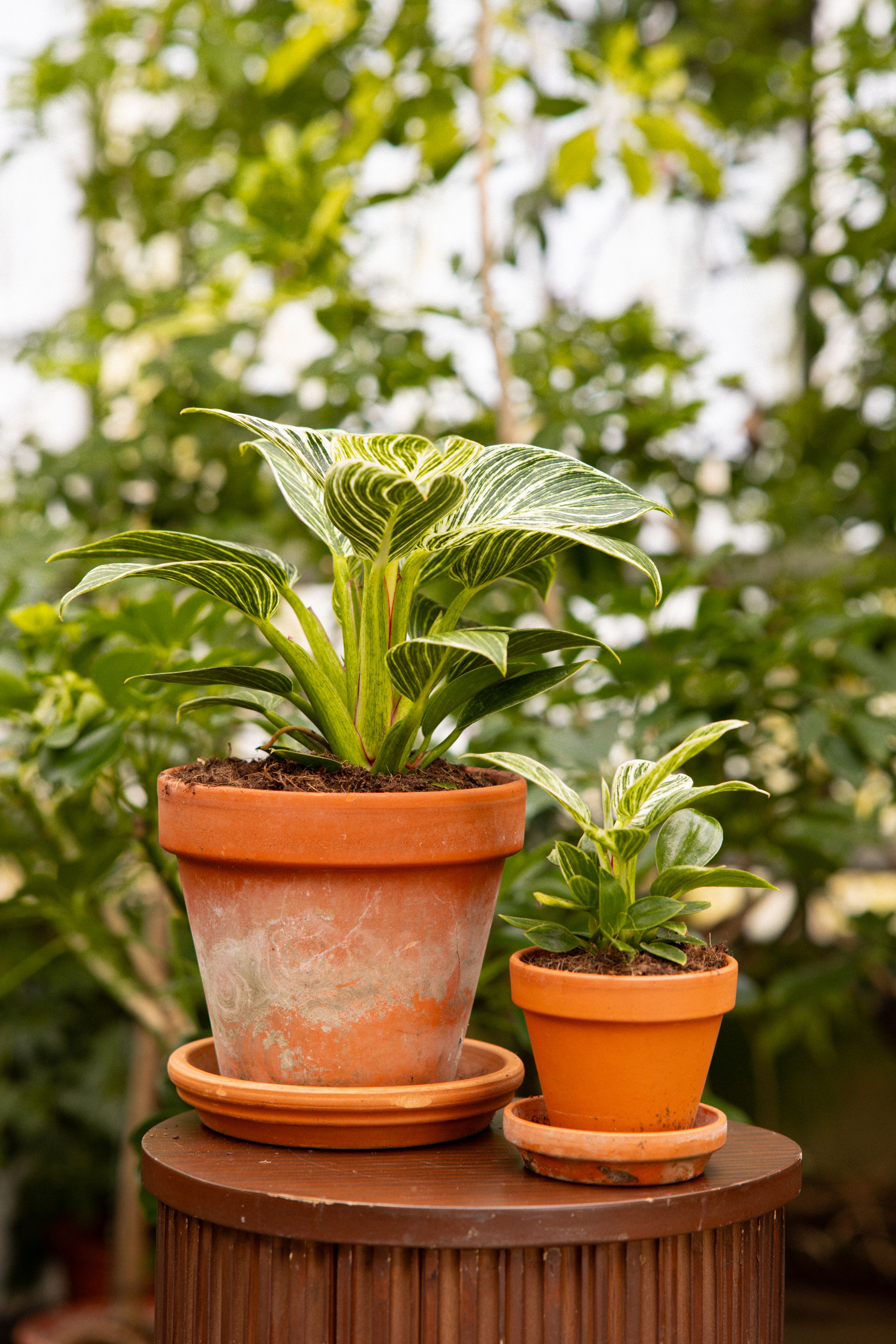
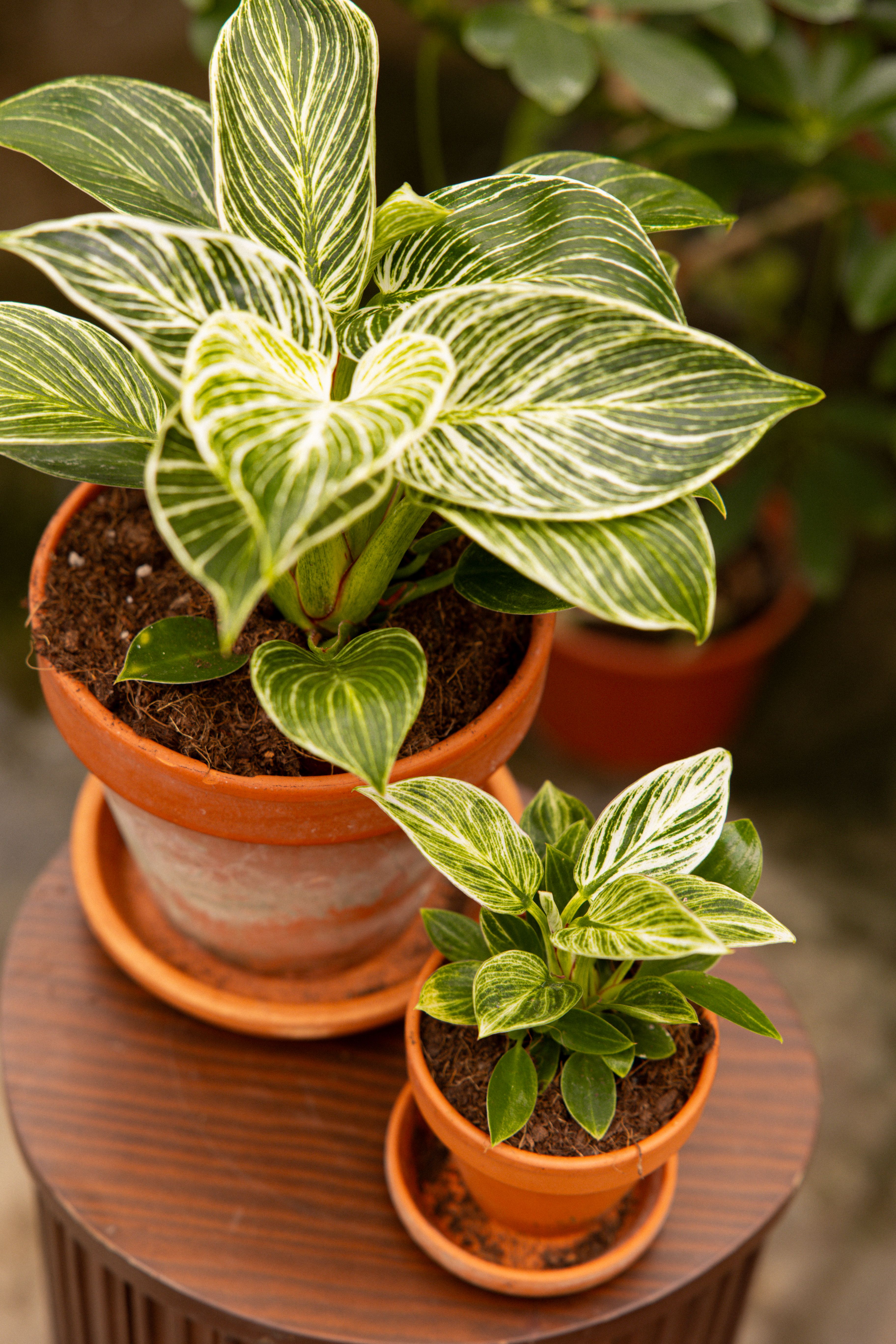
Looking for a stylish houseplant with striking variegated foliage? The Philodendron Birkin is the perfect choice. Her elegant white pinstriped leaves, compact growth and easy-going nature make her a favourite for both beginner and experienced plant lovers.
Order your Philodendron Birkin online and bring home a plant that continues to surprise you with every beautiful new leaf.

Is the Philodendron Birkin easy to care for?
Yes! Birkin is considered an easy houseplant. Give her bright, indirect light, avoid overwatering and she'll thrive with very little fuss.
Why are my Philodendron Birkin's leaves turning yellow?
Yellow leaves are usually caused by overwatering or poor drainage. Allow the soil to dry slightly between waterings and make sure excess water can drain away easily.
Can Philodendron Birkin tolerate direct sunlight?
She can enjoy a little gentle morning sun, but strong afternoon sunlight can burn her leaves. Bright, indirect light is the safest choice.
Is the Philodendron Birkin pet-friendly?
No, like other Philodendrons, Birkin is toxic to cats and dogs if ingested. Keep her out of reach of curious pets.
Why are my Birkin's leaves losing their white stripes?
This is usually a sign that the plant isn't receiving enough light. Move her to a brighter spot with plenty of indirect sunlight to encourage stronger variegation.
Why are the leaf edges turning brown?
Brown edges are often caused by low humidity, underwatering or inconsistent watering. Increasing humidity and maintaining a regular watering routine usually helps.
Does Philodendron Birkin climb?
No. Unlike many Philodendrons, Birkin has a self-heading growth habit. She grows upright in a compact rosette and doesn't require a moss pole or support.
How fast does Philodendron Birkin grow?
Birkin grows at a moderate pace. During spring and summer, she'll regularly produce new leaves, while growth naturally slows during autumn and winter.
Should I mist my Philodendron Birkin?
Occasional misting won't hurt, but increasing overall humidity with a humidifier or by grouping plants together is usually much more effective.
Can I prune a Philodendron Birkin?
Yes. Remove damaged or yellowing leaves whenever needed. You can also trim older leaves to keep your plant looking fresh and encourage healthy new growth.
Why are the new leaves stuck while unfurling?
This is usually caused by low humidity or inconsistent watering. Higher humidity helps new leaves unfurl more easily without becoming damaged.
How big does Philodendron Birkin grow?
Indoors, Philodendron Birkin typically grows to around 50–80 cm tall and wide, making her an excellent compact statement plant for shelves, side tables and desks.