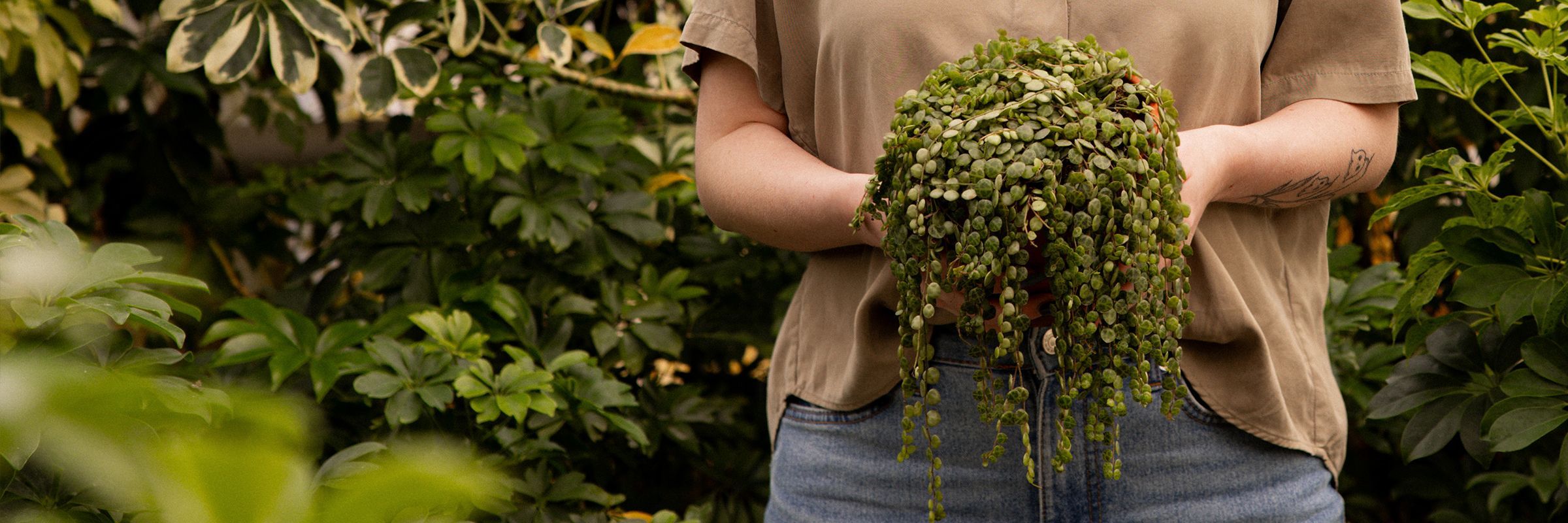
Plant of the month
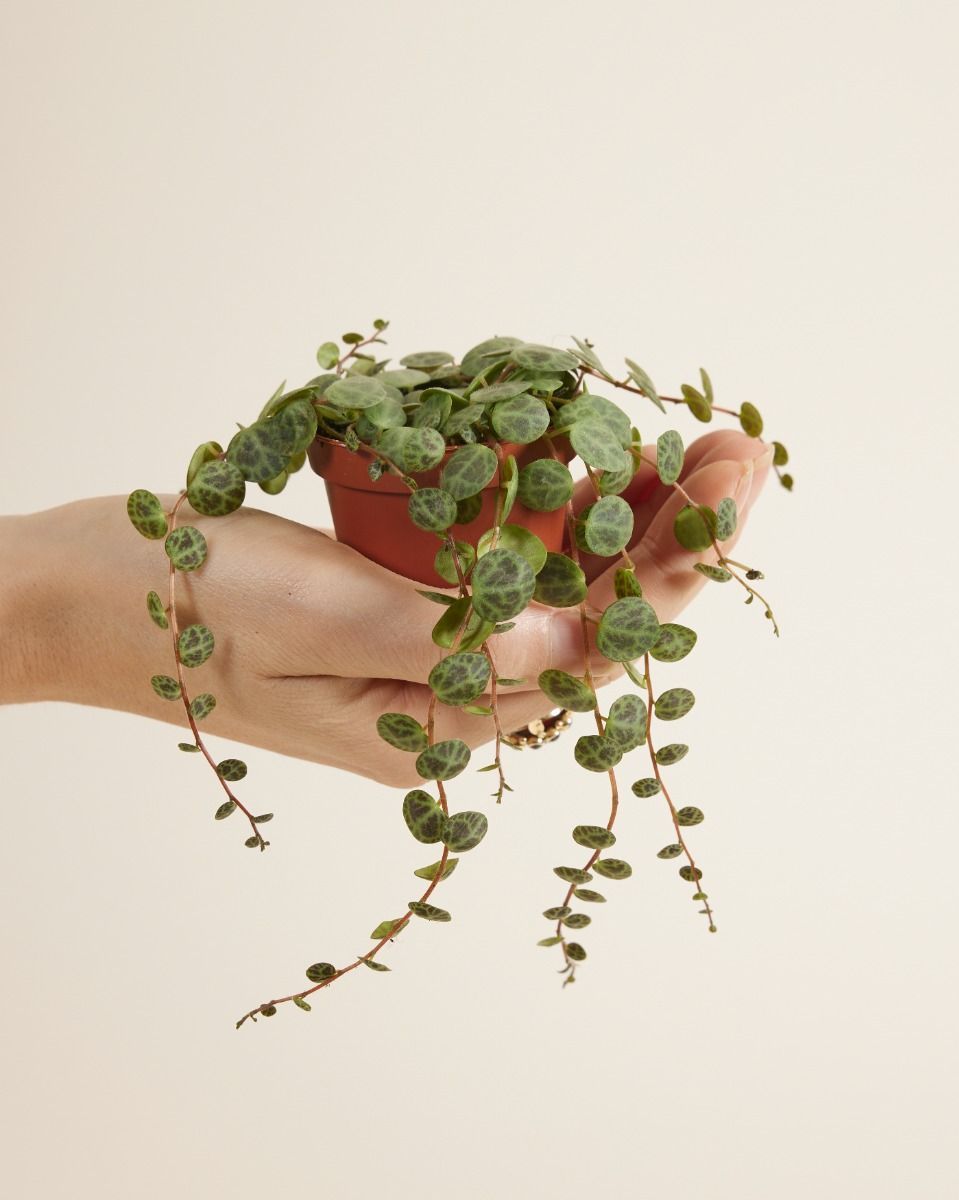
Introducing this month’s Plant of the Month: the adorable Peperomia Prostrata, better known as String of Turtles. This tiny trailing beauty is loved for her unique, turtle-shell patterned leaves that look almost too cute to be real. Each small, round leaf features intricate markings in shades of green, resembling miniature turtle backs. If you’re looking for a compact yet eye-catching plant that adds texture and charm to your space, this one is an absolute must-have.
Fun fact! The Peperomia Prostrata is native to the rainforests of South America, where she grows as an epiphyte. This means she naturally grows on other plants or surfaces rather than in the ground, absorbing moisture from the air and her surroundings.
Peperomia Prostrata
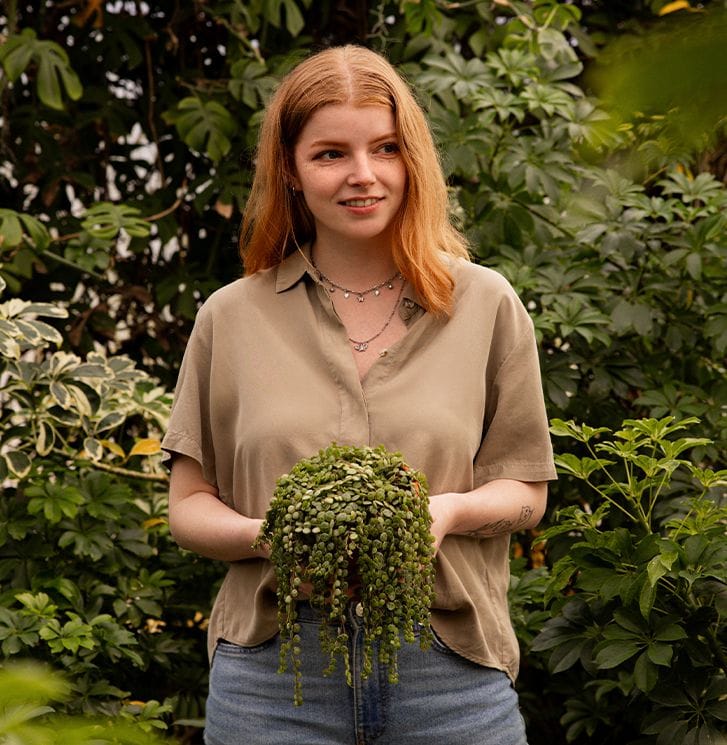
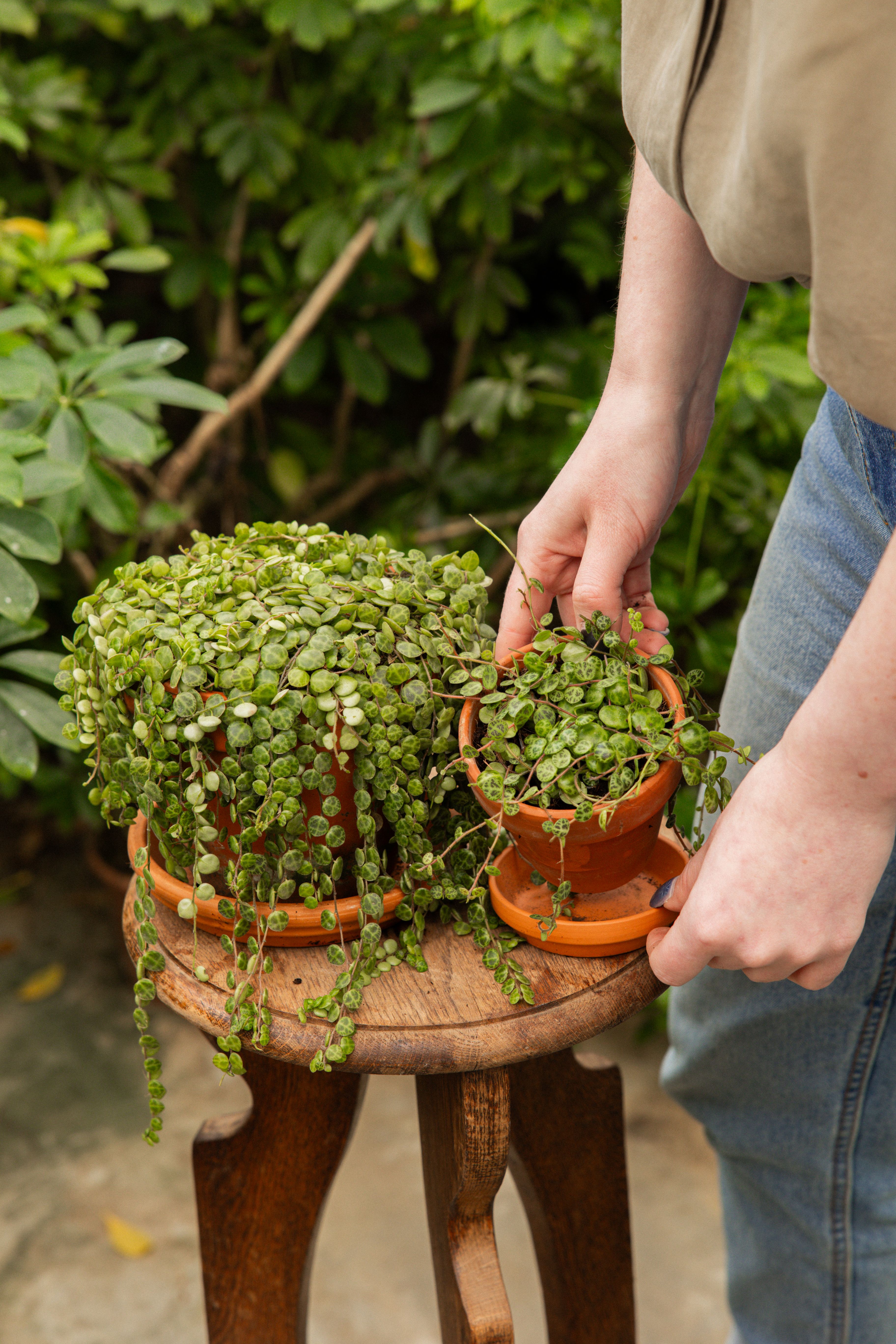
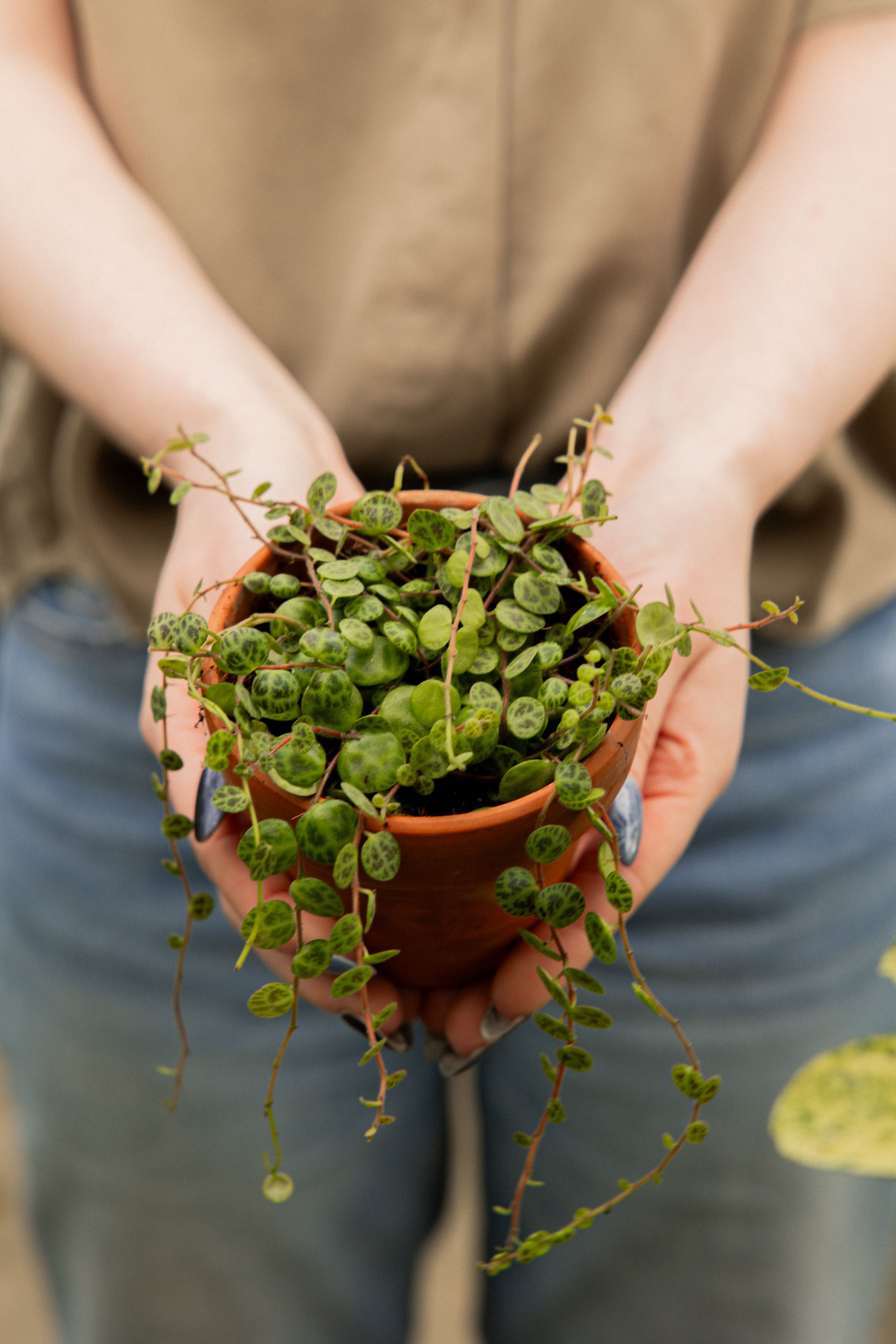
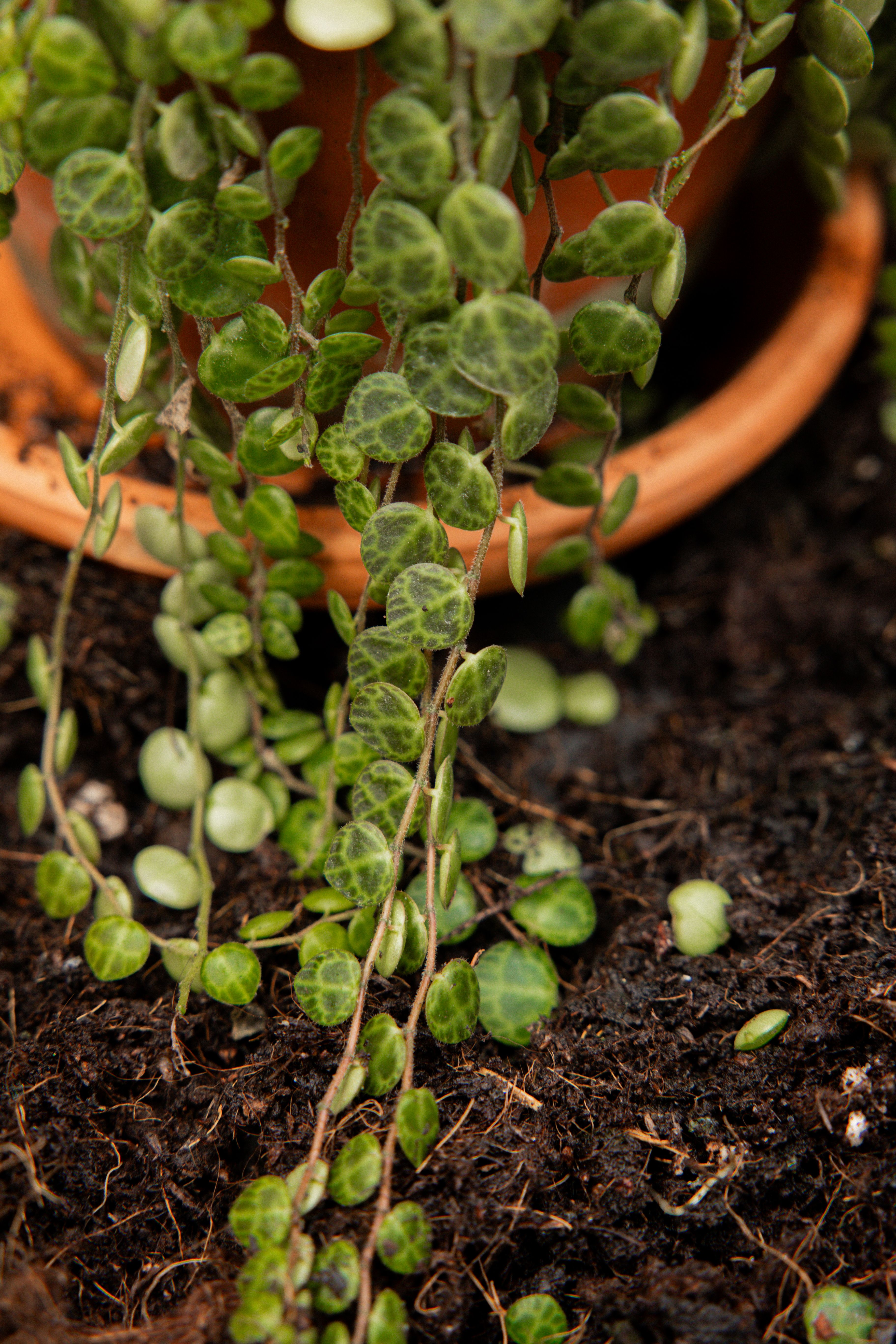
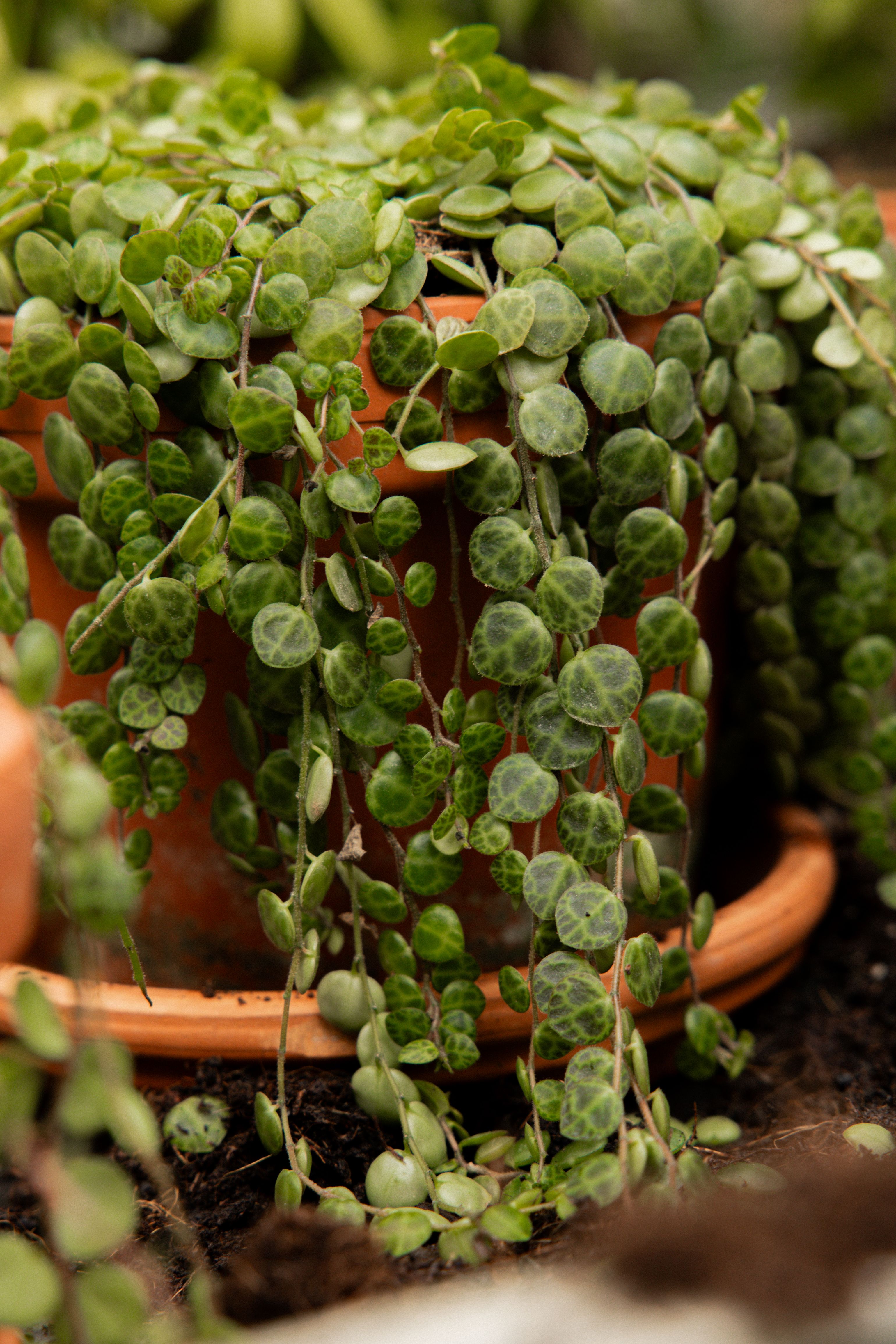
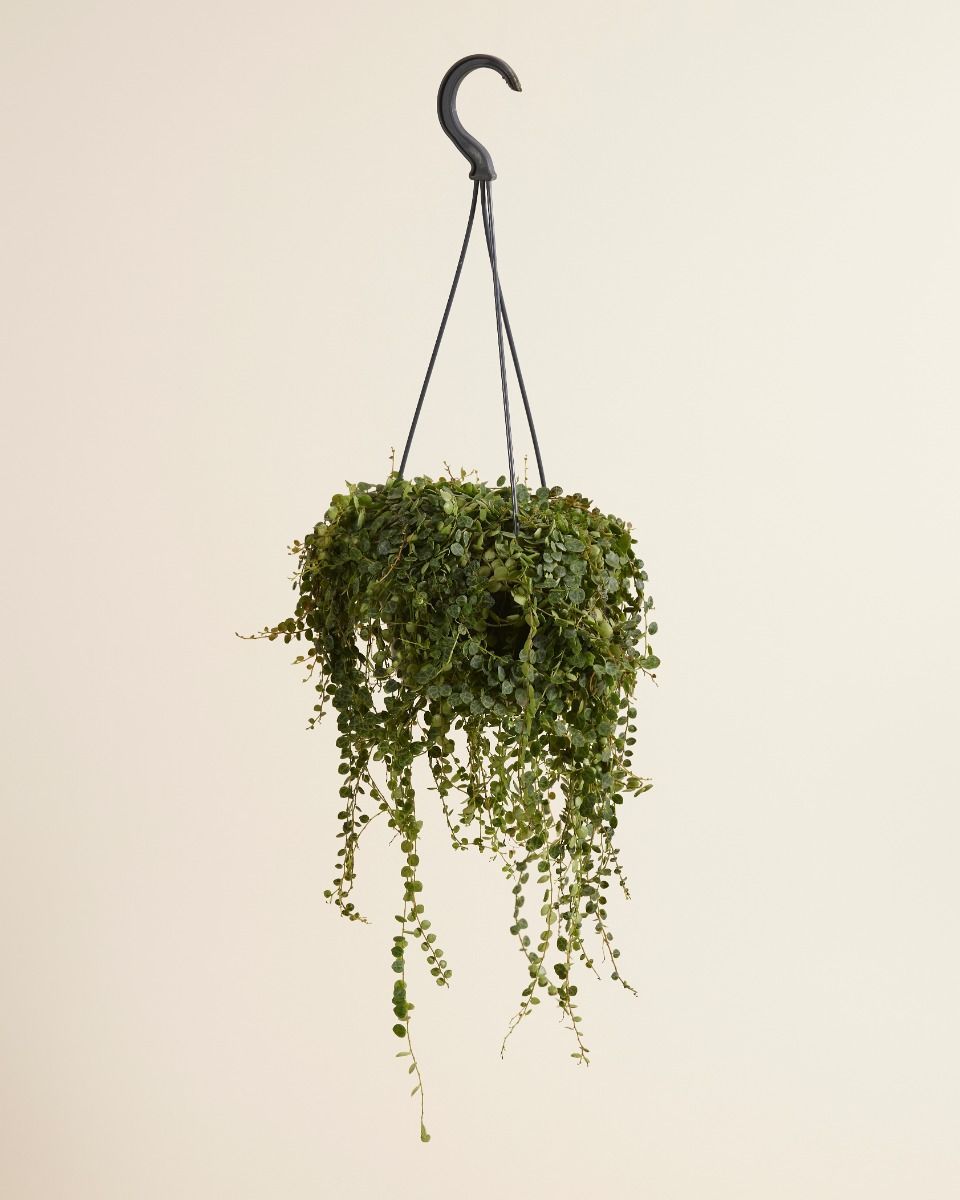
Despite her delicate appearance, the String of Turtles is surprisingly versatile. Her trailing vines make her perfect for hanging pots, shelves or letting her cascade from a cabinet. Over time, she creates a soft, playful waterfall of tiny leaves that instantly brings a cozy, jungle-like feel into your home.
Unlike many fast-growing trailing plants, the String of Turtles is a slower grower, which makes her perfect if you love a neat and controlled look. Her compact growth also makes her ideal for smaller spaces or as part of a larger plant styling setup.
Fun fact! The “turtle shell” pattern on her leaves helps diffuse light across the surface, protecting her from harsh conditions in her natural habitat.
Peperomia Prostrata care guide
The Peperomia Prostrata may look delicate, but with the right care, she’s an easy and rewarding plant to grow. The key is finding the right balance between moisture, light and airflow.
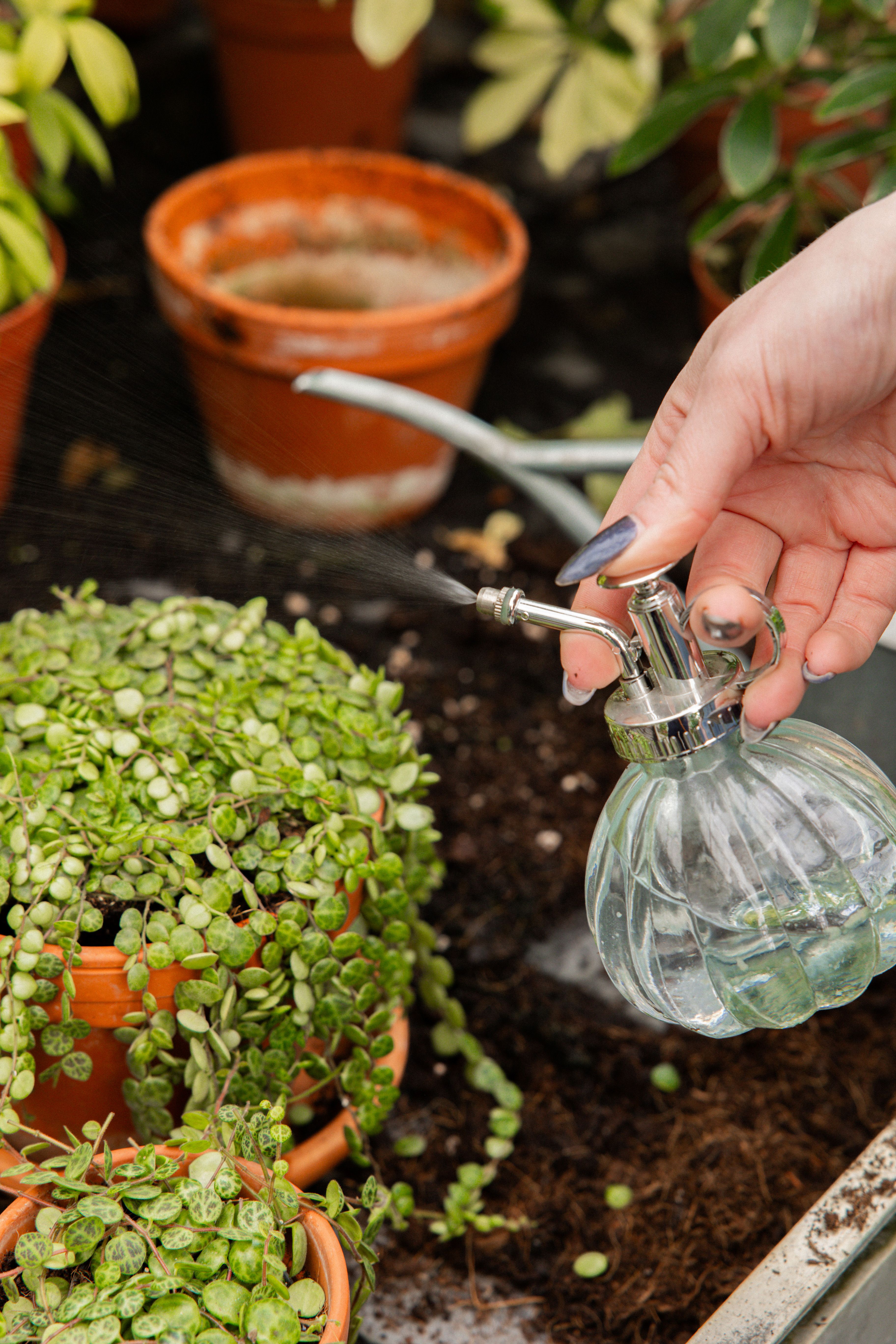
Watering
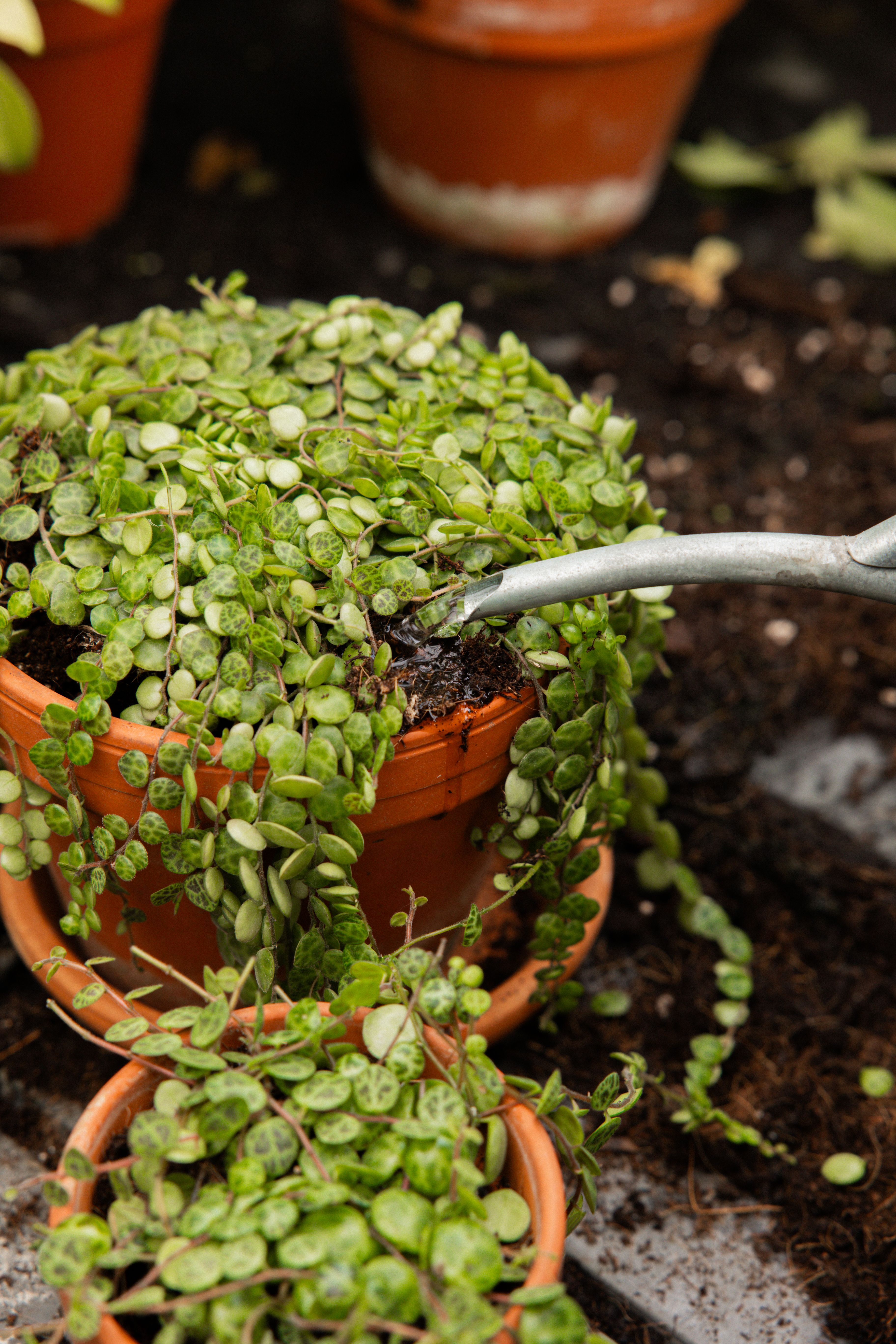
The String of Turtles prefers slightly moist soil, but she does not like to stay wet for too long. Allow the top layer of soil to dry out before watering again. Overwatering is one of the most common issues with this plant and can quickly lead to root rot. It’s better to underwater slightly than to keep the soil constantly soggy.
Tip! If the leaves feel soft or look translucent, this can be a sign of overwatering.
Light
This Peperomia thrives in bright, indirect light. Plenty of light helps maintain her compact growth and keeps the leaf patterns sharp and defined. She can tolerate medium light, but growth may slow down, and the vines may become more stretched. Avoid direct sunlight, as it can burn her delicate leaves. A spot near a bright window with filtered light is ideal.
Soil
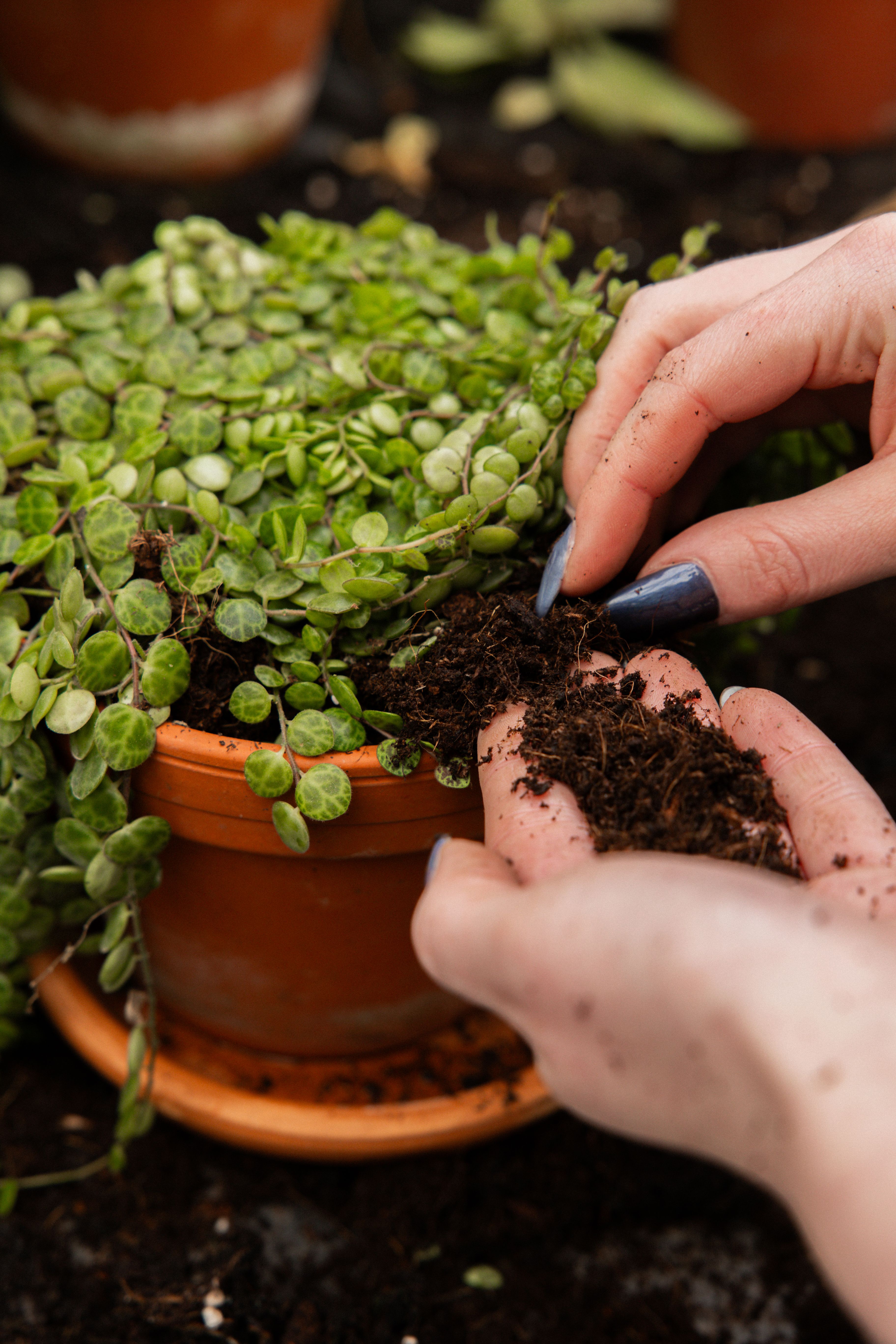
A light, well-draining soil mix is essential. Since she naturally grows as an epiphyte, she prefers an airy mix that doesn’t hold too much water. A good blend could include potting soil, perlite and a bit of orchid bark or coco chips to improve drainage and airflow. This type of mix helps prevent the roots from staying too wet.
Temperature & humidity
The Peperomia Prostrata enjoys warm temperatures between 18 and 26°C. While she can adapt to average household humidity, she appreciates slightly higher humidity levels. This helps keep her leaves healthy and prevents them from drying out. Avoid placing her near cold drafts, heaters, or air conditioning units.
Propagating Peperomia Prostrata
Propagating a String of Turtles is an easy and rewarding way to grow your collection or make your plant look fuller. With a healthy vine and the right conditions, you’ll see roots developing in just a few weeks.
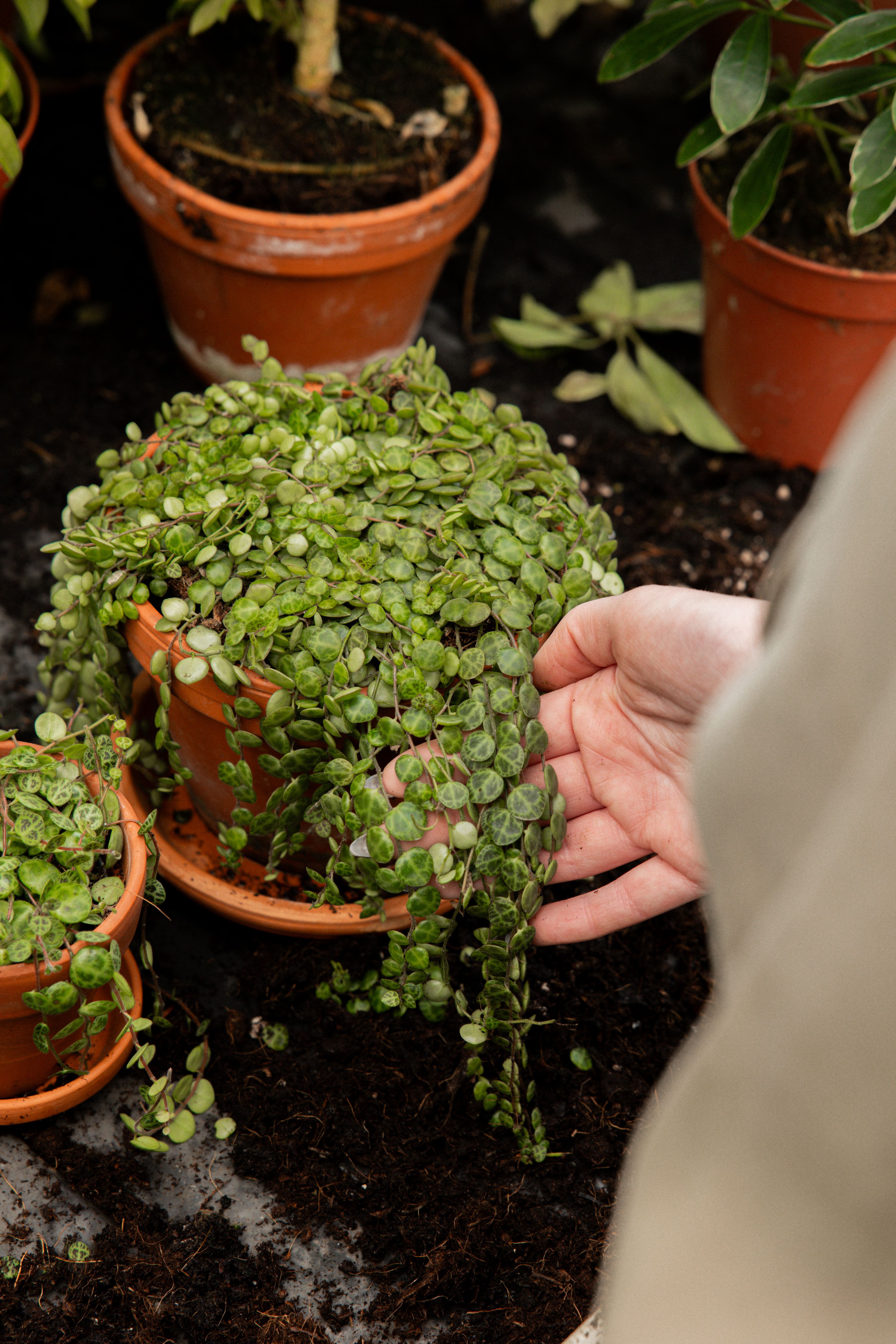
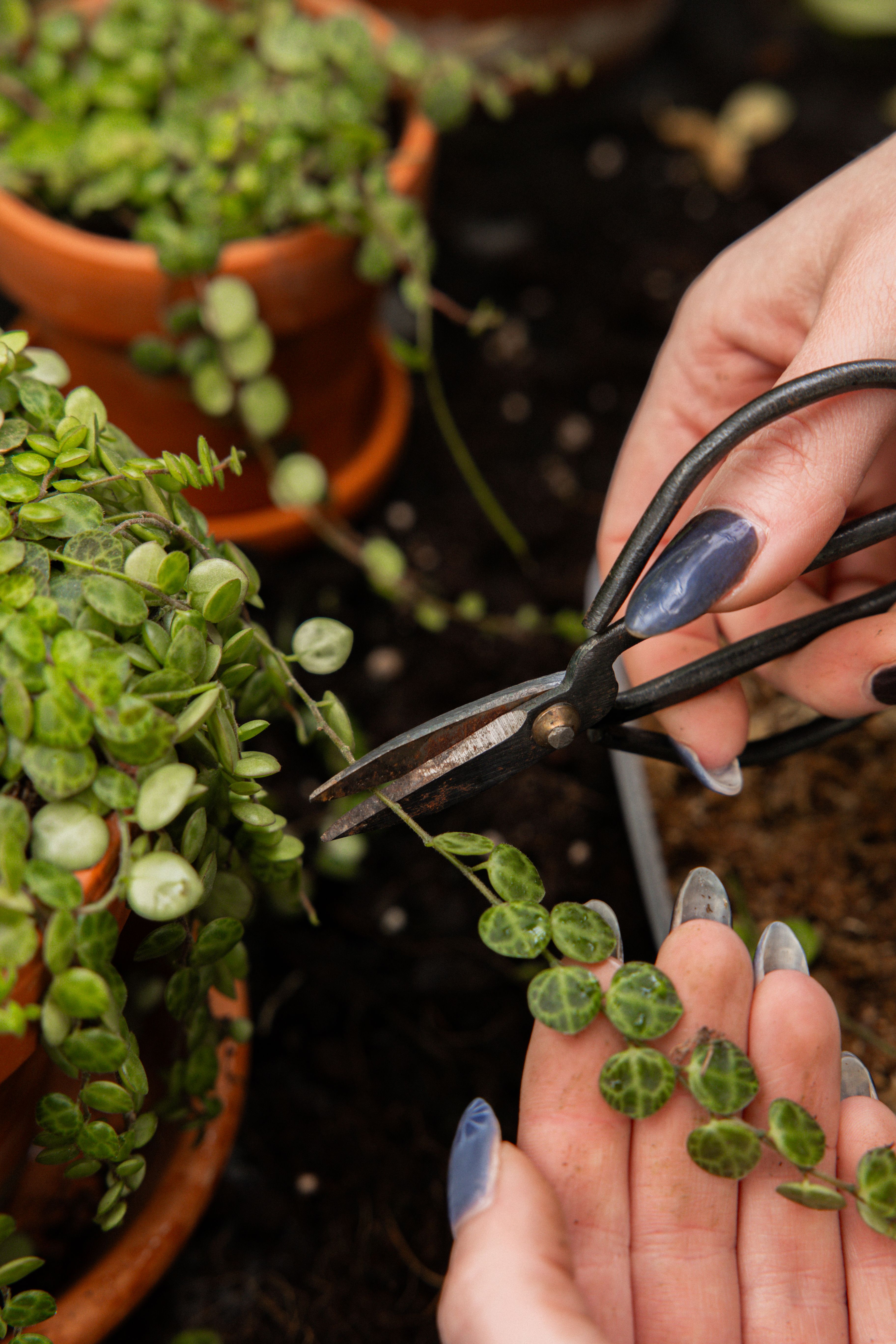
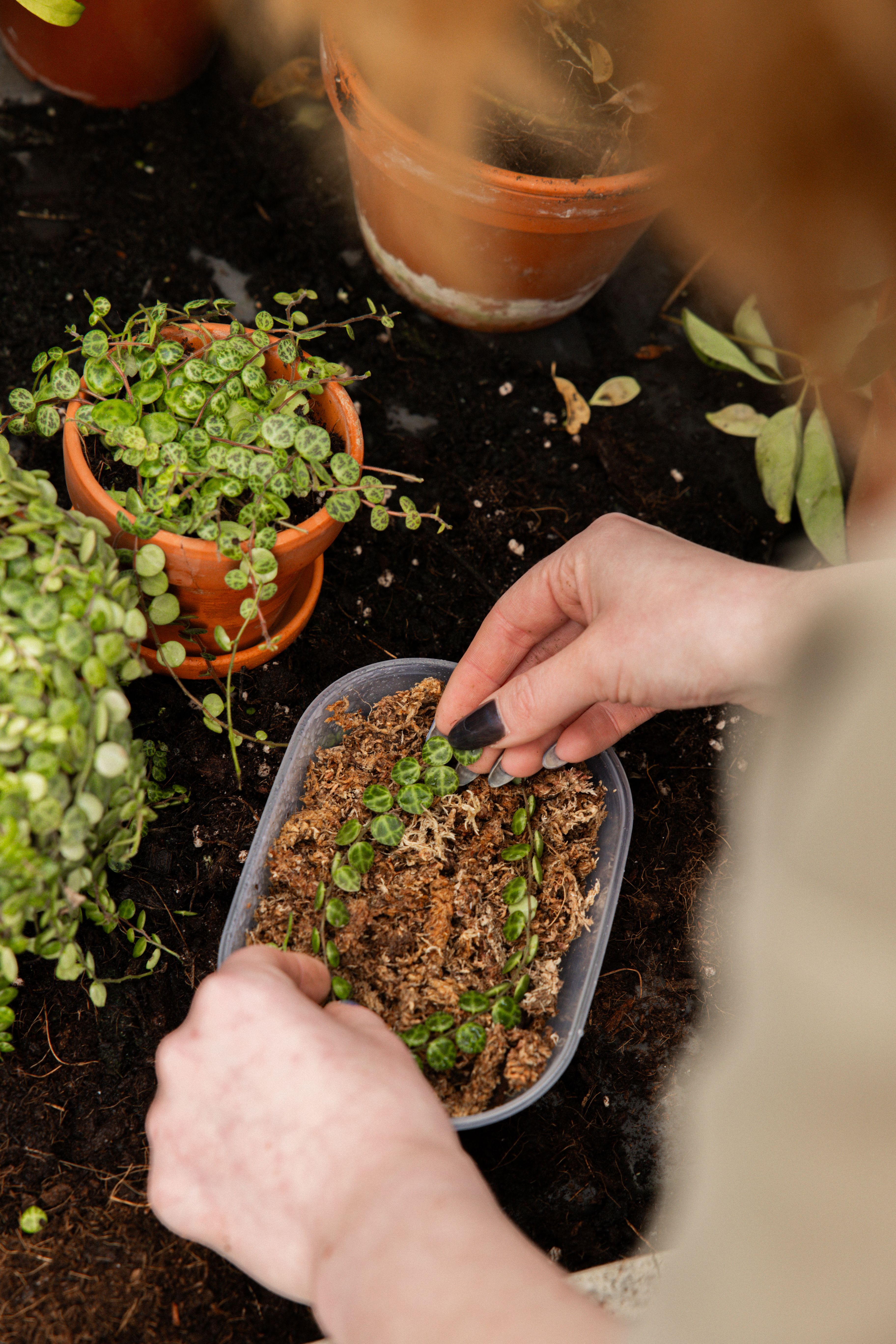
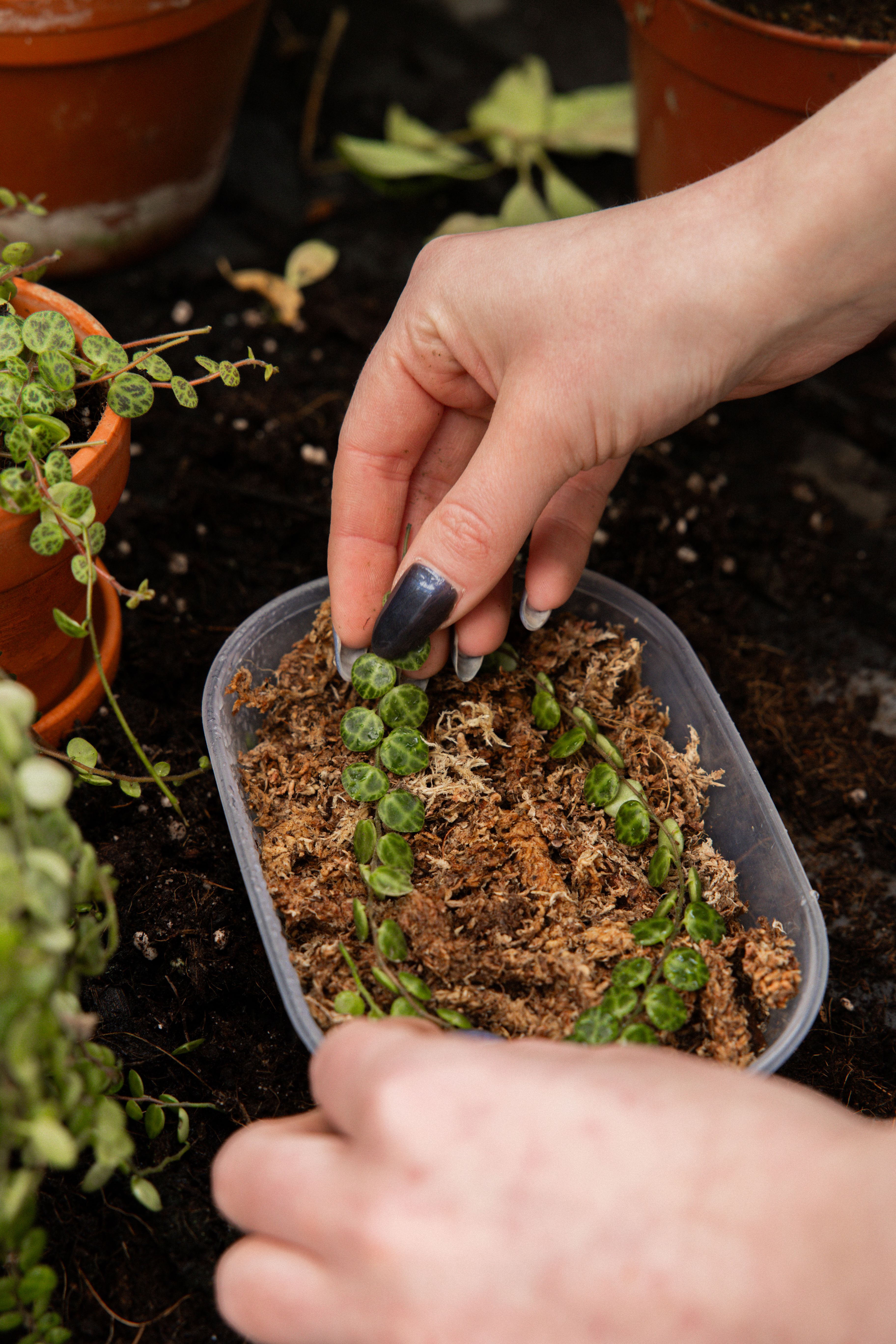
Step 1. Choose a healthy vine
Start by selecting a healthy, mature vine with multiple leaves. Look for stems that are firm, green and free from damage or yellowing. A strong cutting will root faster and grow more successfully. Avoid weak or stressed vines, as they may struggle to develop roots.
Step 2. Take a cutting
Use clean, sharp scissors or pruning shears to make a cut just below a node. Nodes are essential, as this is where new roots will grow from. Aim for a cutting with a few leaves and at least one or two nodes. This gives your cutting the best chance to establish quickly.
Step 3. Prepare the cutting
Gently remove the lower leaves to expose the nodes. This ensures the nodes can make good contact with the propagation medium. Be careful not to damage the delicate stem while doing this. Keeping the top leaves intact allows the cutting to continue photosynthesis.
Step 4. Place the cutting
Lay the cutting on top of lightly moist soil or sphagnum moss and gently press the nodes into the surface. Make sure the leaves stay above the soil to prevent rot. You can also propagate in water, but soil or moss often makes the transition to potting easier. Keep the medium lightly moist, not wet.
Step 5. Create the right conditions
Place your cutting in a warm spot with bright, indirect light. Avoid direct sunlight, as this can dry out or damage the cutting. Increasing humidity will help the rooting process, so consider using a propagation box or a plastic cover. Make sure there is still some airflow to prevent mould.
Step 6. Wait for roots
Be patient, as the String of Turtles is a relatively slow grower. Roots will usually start to develop within a few weeks if conditions are right. Keep the soil slightly moist and avoid moving the cutting too much. Once rooted, you can pot multiple cuttings together for a fuller plant.
Fun fact! Combining several cuttings in one pot is the secret to creating that dense, cascading String of Turtles look
Buy Peperomia Prostrata
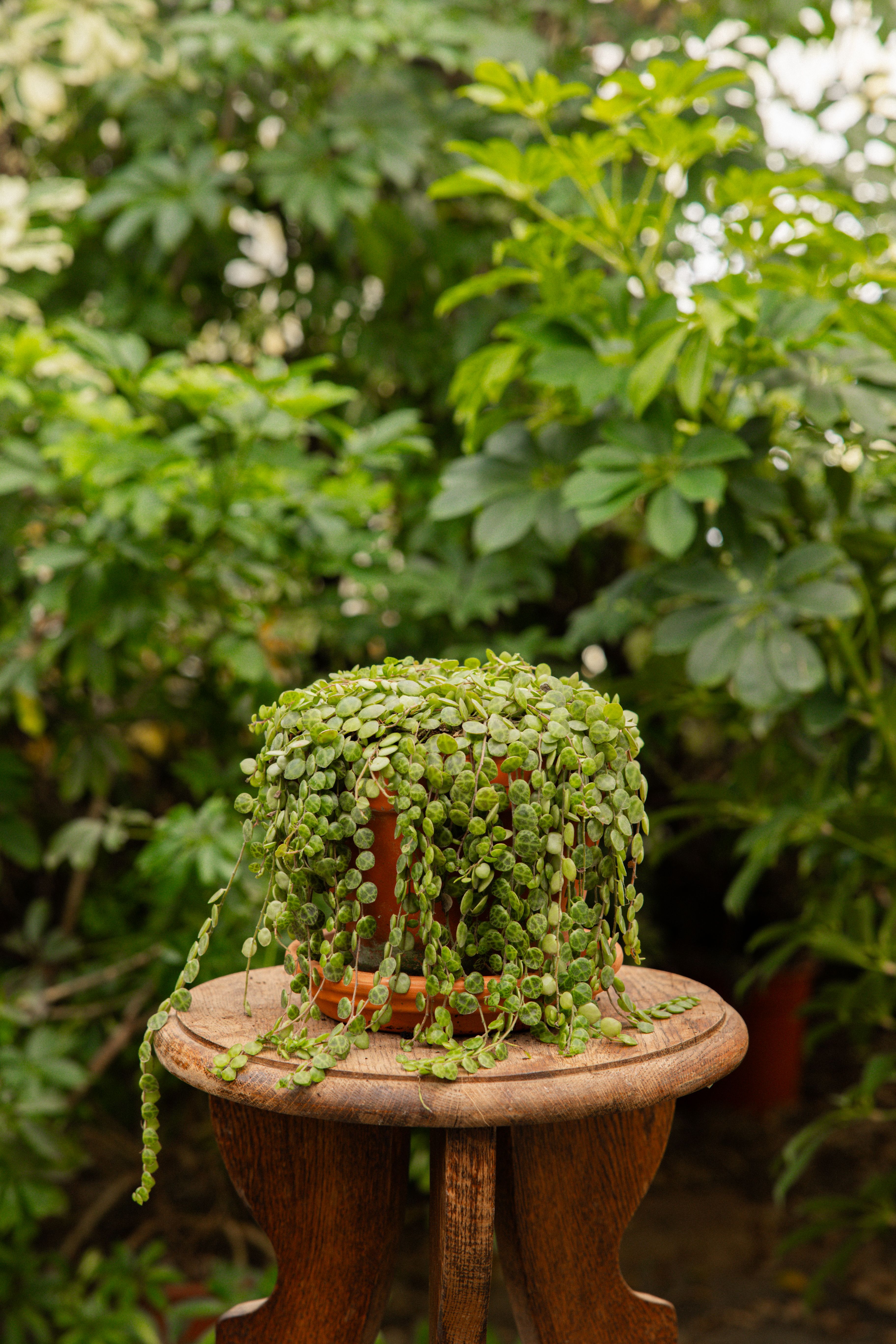
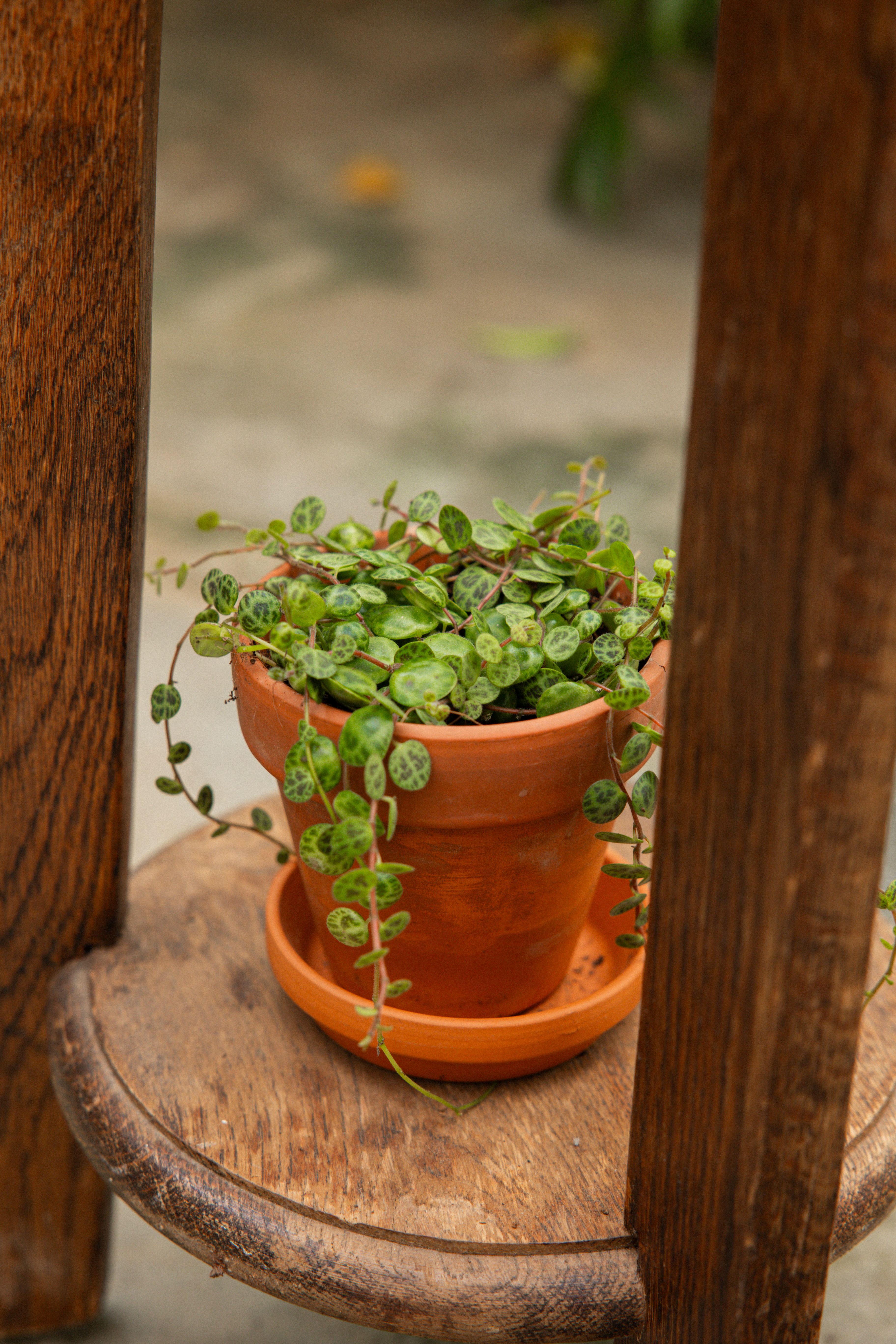
Have you fallen for the tiny charm of the Peperomia Prostrata? We completely understand. With her unique turtle-shell leaves and elegant trailing vines, she’s the perfect plant to add texture and personality to your indoor jungle.
This month, the String of Turtles is available as our Plant of the Month at a special price. Whether you’re styling a shelf, creating a hanging display or expanding your collection, this little beauty is ready to crawl her way into your heart
Is the Peperomia Prostrata easy to care for?
Yes, the Peperomia Prostrata is considered an easy-care houseplant. As long as you avoid overwatering and provide enough light, she will thrive.
Why are my String of Turtles leaves falling off?
Leaf drop is often caused by overwatering or sudden temperature changes. Check the soil moisture and ensure the plant is in a stable environment.
Can the Peperomia Prostrata tolerate direct sunlight?
No, direct sunlight can burn the leaves. Bright, indirect light is best for healthy growth and maintaining the leaf pattern.
Is the Peperomia Prostrata pet-friendly?
Yes, the Peperomia Prostrata is non-toxic to cats and dogs, making it a pet-friendly choice.
Why are the leaves shrinking or wrinkling?
This is usually a sign of underwatering. Give your plant a drink and adjust your watering routine if needed.
Does the Peperomia Prostrata grow fast?
It is a relatively slow grower, which makes it perfect if you prefer a compact, low-maintenance plant.