In this article
- 1 How to Care for Callisia (Turtle Vine) – Expert tips for thriving plants
- 1.1 Callisia care: 10 expert tips for growing it successfully
- 1.2 Callisia care tips
- 1.2.1 Light requirements for Callisia
- 1.2.2 Watering
- 1.2.3 Nutrition
- 1.2.4 Temperature & humidity
- 1.2.5 Soil & repotting
- 1.3 Propagating Callisia
- 1.4 Most common pests on Callisia
- 1.5 Is Callisia poisonous for your pets or children?
- 1.6 Buy your new Callisia online at PLNTS.com
How to Care for Callisia (Turtle Vine) – Expert tips for thriving plants
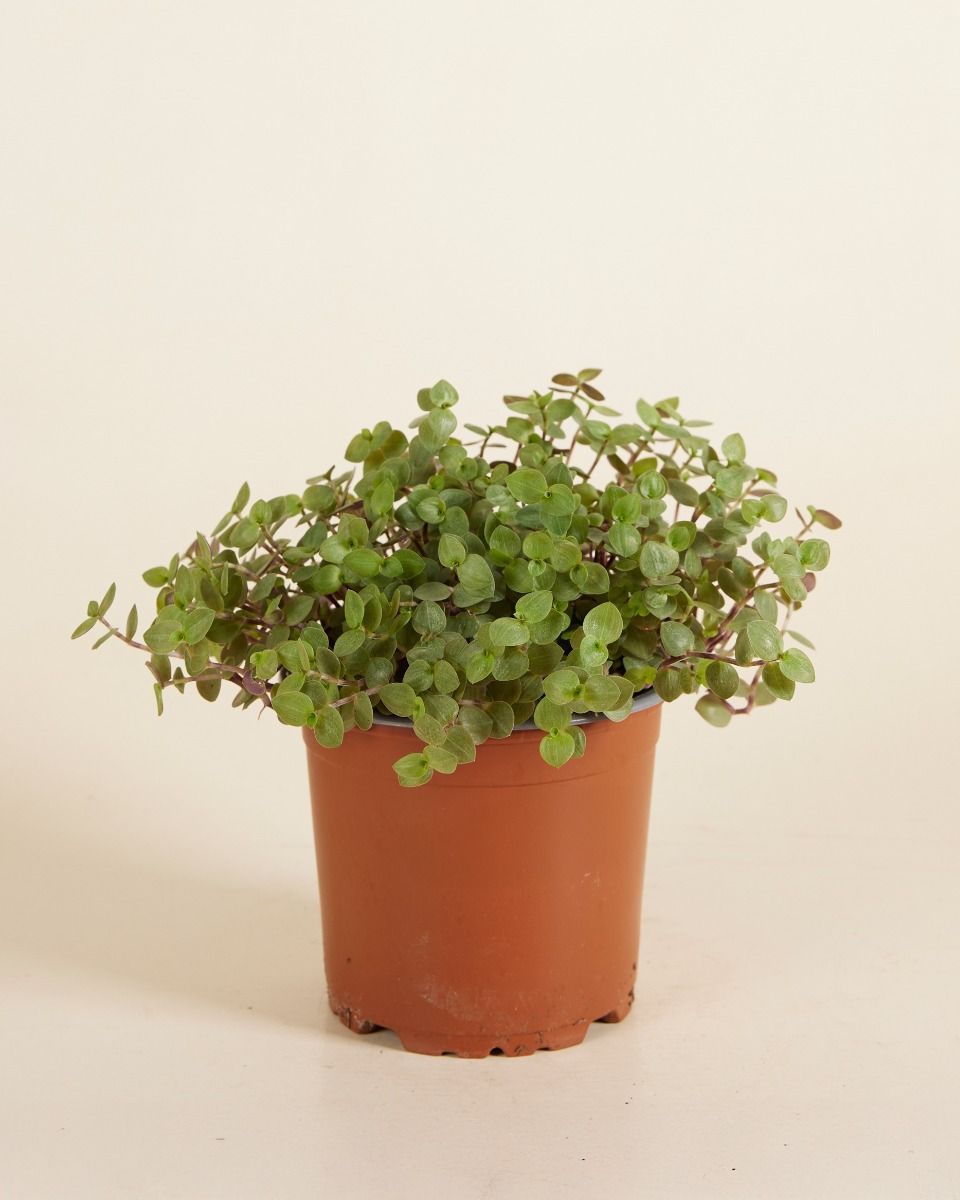
Callisia repens, often called Turtle Vine, is a charming trailing houseplant with small, soft leaves that grow densely along thin stems. Its compact size and cascading growth make it perfect for hanging pots, plant shelves or as a trailing accent in your indoor jungle.
Native to Central and South America, Callisia repens is a fast-growing and easy-care plant that quickly fills a pot with lush greenery. With the right care, it will reward you with long trailing stems and a beautiful full look.
Callisia care: 10 expert tips for growing it successfully
- Place your Callisia in bright, indirect light for compact and healthy growth.
- Avoid very strong direct sunlight, which can burn the delicate leaves.
- Water when the top layer of soil feels slightly dry.
- Do not overwater, as the plant prefers slightly drier soil.
- Use well-draining houseplant soil to prevent root rot.
- Feed your plant once a month during spring and summer.
- Keep temperatures between 18–25°C for best growth.
- Trim long stems regularly to keep the plant full and bushy.
- Repot every 1–2 years if the plant becomes crowded.
- Check the plant occasionally for pests.
Callisia care tips
Light requirements for Callisia
Callisia repens grows best in bright, indirect light. This helps the plant stay compact and keeps the leaves vibrant. It can tolerate partial shade, but the plant may become leggy and less full.
A spot near a window with filtered light is ideal. Avoid strong direct sunlight, which can cause the leaves to dry out or burn.
Expert tip! If your Callisia starts growing long stems with fewer leaves, it likely needs more light.
Watering
Callisia prefers moderate watering. Allow the top layer of soil to dry before watering again. In most homes this means watering about once a week, but this depends on the temperature and light conditions.
Expert tip! Slightly dry soil is better than overly wet soil. Overwatering can lead to root rot and yellowing leaves.
Reduce watering slightly during winter when the plant grows more slowly.
Nutrition
During the growing season in spring and summer, feed your Callisia with a liquid houseplant fertiliser once a month. This supports healthy growth and helps the plant produce fuller trailing stems.
In autumn and winter, fertilising is usually not necessary.
Expert tip! Too much fertiliser can cause weak, leggy growth, so a light feeding schedule works best.
Temperature & humidity
Callisia grows best in temperatures between 18–25°C and enjoys normal indoor humidity levels. It adapts well to most homes but prefers a stable environment without cold drafts.
If the air in your home is very dry, occasional misting can help keep the leaves fresh.
Soil & repotting
Your Callisia will thrive in light, well-draining houseplant soil. Because it grows quickly, it may need repotting every 1–2 years.
Choose a pot slightly larger than the current one and make sure it has drainage holes to prevent excess water from collecting at the bottom.
Propagating Callisia
Callisia repens is very easy to propagate and grows quickly from stem cuttings.
Here’s how to do it:
- Cut a healthy stem just below a leaf node.
- Remove the lower leaves from the cutting.
- Place the cutting in water or directly in moist potting soil.
- Keep the soil slightly moist while roots develop.
- Place the cutting in a warm spot with bright, indirect light until it starts growing.
Because the plant grows fast, you can easily create multiple new plants from one mother plant.
Most common pests on Callisia
Callisia is generally a strong plant but can sometimes attract pests such as spider mites, aphids or mealybugs.
Check the leaves regularly, especially if the air is very dry. If pests appear, wipe the leaves with a damp cloth or treat the plant with a suitable plant care product.
Is Callisia poisonous for your pets or children?
Callisia repens is considered mildly toxic for pets. Contact with the plant can sometimes cause skin irritation in cats or dogs, especially if they chew on the leaves.
It’s best to keep the plant slightly out of reach of curious pets and children.
Buy your new Callisia online at PLNTS.com
Looking for a cute and fast-growing trailing plant? At PLNTS.com you can buy Callisia Repens online and add a playful touch to your indoor jungle.
Whether you place it in a hanging pot or let it cascade from a plant shelf, this charming little plant will quickly grow into a lush green waterfall of leaves.