In this article
- 1 How to care for Asplenium (Bird’s Nest Fern) – Expert tips for thriving plants
- 1.1 Asplenium care: 10 expert tips for growing it successfully
- 1.2 Asplenium care tips
- 1.2.1 Light requirements for Asplenium
- 1.2.2 Watering
- 1.2.3 Nutrition
- 1.2.4 Temperature & humidity
- 1.2.5 Soil & repotting
- 1.3 Propagating Asplenium
- 1.4 Most common pests on Asplenium
- 1.5 Is Asplenium poisonous for your pets or children?
- 1.6 Buy your new Asplenium online at PLNTS.com
How to care for Asplenium (Bird’s Nest Fern) – Expert tips for thriving plants
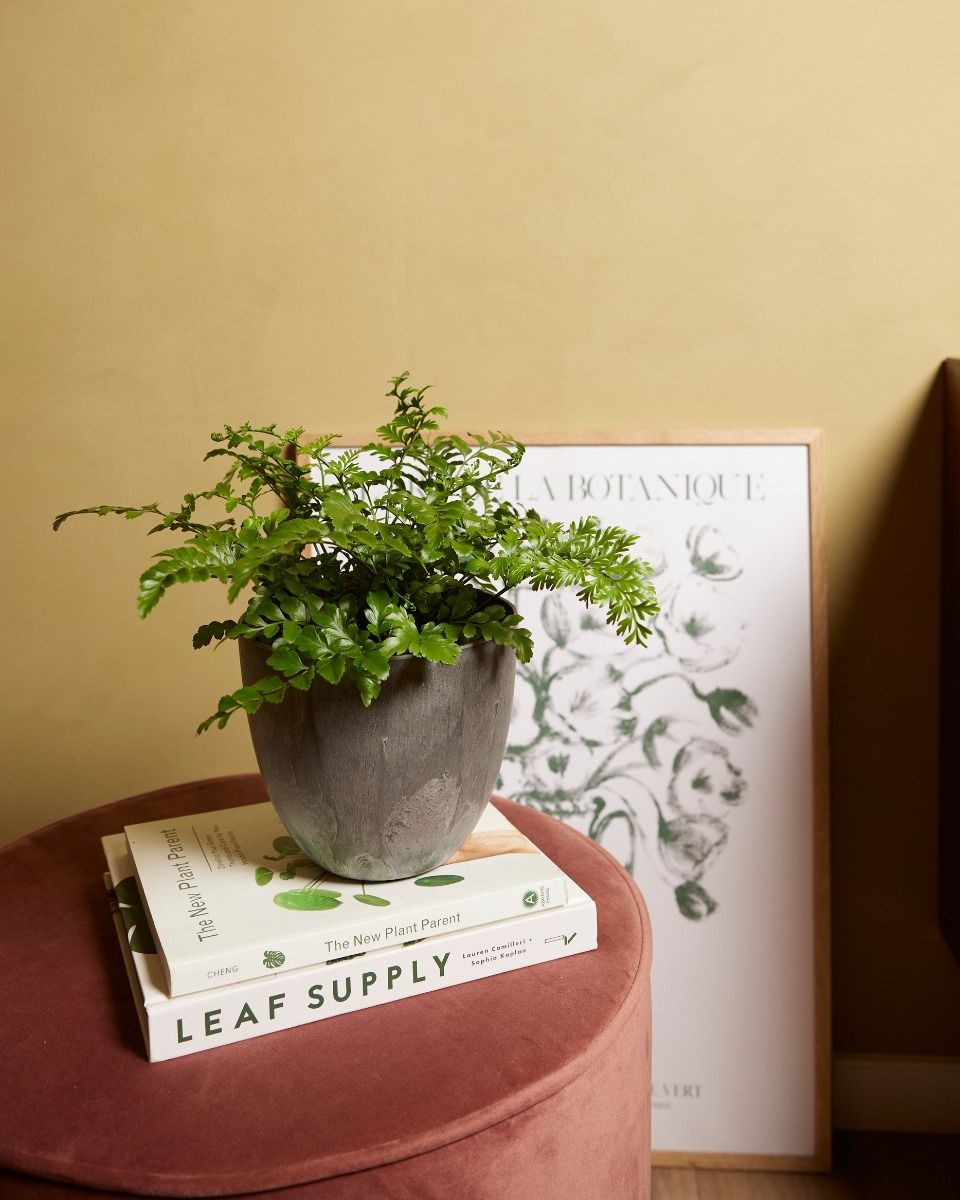
Asplenium ‘Parvati’, also known as a Bird’s Nest Fern, is a beautiful houseplant with soft, wavy leaves that grow in a rosette shape. Its fresh green foliage and compact form make it a perfect plant to add a lush, tropical feeling to your home. Unlike many other ferns, Asplenium plants are quite easy to care for and adapt well to indoor environments.
Originally found in tropical forests, Asplenium grows naturally on tree trunks where it enjoys warm temperatures, indirect light and higher humidity. With the right care, this elegant fern will stay vibrant and healthy in your indoor jungle.
Asplenium care: 10 expert tips for growing it successfully
- Place your Asplenium in bright, indirect light for healthy growth.
- Avoid direct sunlight, which can damage the delicate leaves.
- Keep the soil slightly moist but never waterlogged.
- Water around the soil rather than directly into the centre of the plant.
- Maintain moderate to high humidity if possible.
- Keep temperatures stable between 18–25°C.
- Feed your plant once a month during spring and summer.
- Avoid touching the leaves too much, as they can bruise easily.
- Repot every 2–3 years or when the plant becomes root-bound.
- Check the plant regularly for pests and remove damaged leaves when needed.
Asplenium care tips
Light requirements for Asplenium
Asplenium ‘Parvati’ thrives in bright, indirect light. It can tolerate medium light conditions but should always be protected from strong direct sunlight, which can cause the leaves to scorch.
Because it naturally grows under the canopy of larger plants in tropical forests, this fern prefers filtered light and shaded environments.
Watering
Asplenium prefers consistently slightly moist soil. Water the plant when the top layer of soil feels dry to the touch. Try to keep the soil evenly moist, but avoid overwatering.
Expert tip! Water the soil around the base of the plant instead of pouring water directly into the centre rosette. Water sitting in the centre can sometimes cause rot.
In winter, reduce watering slightly as the plant grows more slowly.
Nutrition
During spring and summer, feed your Asplenium with a diluted liquid houseplant fertiliser once a month. This will support healthy leaf growth and keep the foliage vibrant.
In autumn and winter, fertilising is usually not necessary because the plant enters a slower growth phase.
Temperature & humidity
Asplenium prefers warm indoor temperatures between 18–25°C. It also enjoys higher humidity levels, which mimic its natural tropical environment.
If the air in your home is very dry, consider misting the plant occasionally or placing it near a humidifier. This helps keep the leaves fresh and prevents brown edges.
Soil & repotting
Your Asplenium will grow best in light, well-draining houseplant soil that still retains some moisture. Repot the plant every 2–3 years or when the roots start to fill the pot.
The best time to repot is during spring. Choose a pot slightly larger than the current one and ensure it has drainage holes to prevent excess water buildup.
Propagating Asplenium
Asplenium ferns are usually propagated through spores rather than cuttings or division, which makes propagation a bit more challenging at home.
Here’s how to do it:
- Look for mature fronds with small brown spores on the underside of the leaves.
- Carefully collect the spores and place them on moist potting soil.
- Keep the soil lightly moist and cover the container to maintain humidity.
- Place the container in a warm location with indirect light.
- Once small fern plants develop, they can be carefully transplanted into individual pots.
Because this process takes time and patience, most plant lovers prefer to buy new plants instead of propagating them themselves.
Most common pests on Asplenium
Asplenium is generally a strong houseplant but can occasionally attract pests such as spider mites, mealybugs or scale insects.
Check the leaves regularly, especially underneath. If you notice pests, wipe the leaves gently with a damp cloth or treat the plant with an appropriate plant care product.
Is Asplenium poisonous for your pets or children?
Good news! Asplenium plants are generally considered non-toxic to cats and dogs. This makes them a safe choice for homes with pets or small children.
Still, it’s always best to discourage pets from chewing on houseplants.
Buy your new Asplenium online at PLNTS.com
Looking for a lush and elegant fern? At PLNTS.com you can buy Asplenium ‘Parvati’ online and bring a fresh tropical touch to your home.
Whether you place it on a plant shelf, side table or in a cozy plant corner, this beautiful Bird’s Nest Fern will thrive and add soft, vibrant greenery to your indoor jungle.