In this article
- 1 How to care for Salvia: expert tips for thriving garden plants
- 1.1 What are Salvia plants?
- 1.2 When to plant Salvia
- 1.3 How to care for Salvia
- 1.3.1 Light and location
- 1.3.2 Soil
- 1.3.3 Watering
- 1.3.4 Pruning
- 1.4 Winter care for Salvia
- 1.5 Where to place Salvia in the garden
- 1.6 FAQ about Salvia
- 1.7 Buy Salvia plants online
How to care for Salvia: expert tips for thriving garden plants
Salvia is a vibrant and reliable perennial that brings long-lasting colour and movement to the summer garden. With its upright flower spikes and aromatic foliage, Salvia adds structure and texture to borders, pollinator gardens and sunny terraces. Blooming from late spring well into summer, it is a favourite among gardeners looking for low-maintenance plants with high impact.
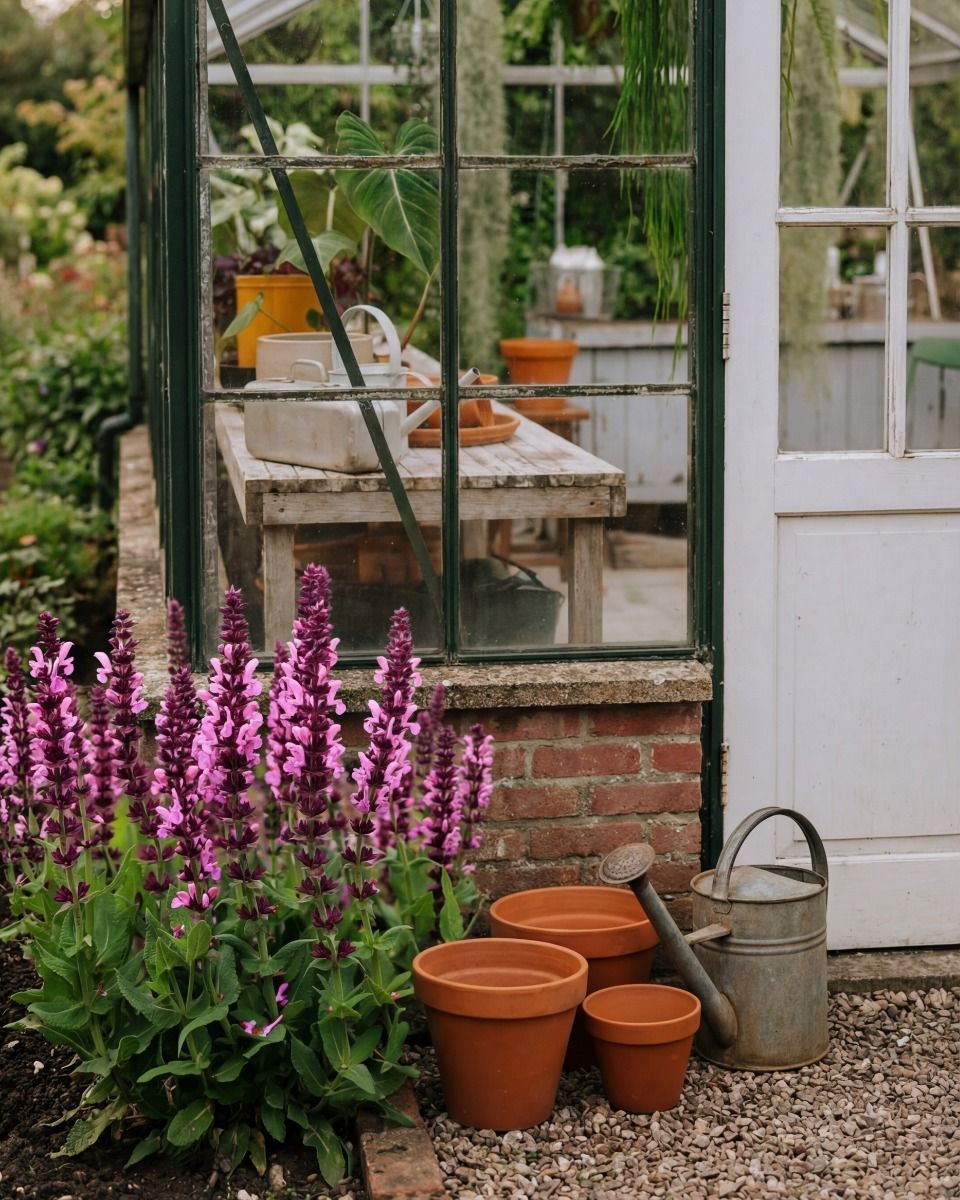
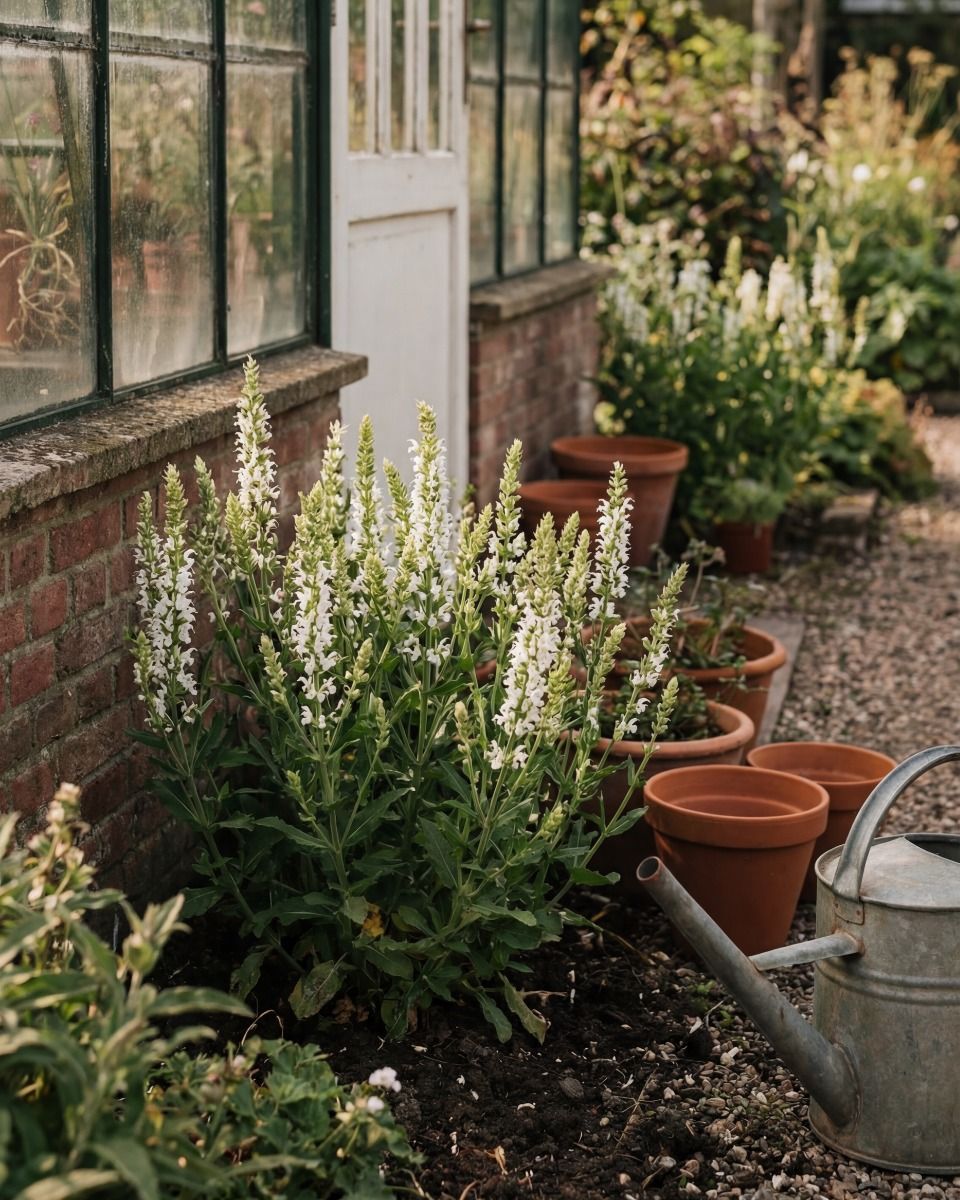
Varieties such as Salvia nemorosa ‘Sensation Deep Rose’ and Salvia nemorosa ‘Sensation White’ offer compact growth and abundant blooms in rich pink and crisp white tones. These hardy perennials are perfect for adding colour to borders and combining with other sun-loving plants.
What are Salvia plants?
Salvia is a large genus of flowering plants belonging to the mint family. Salvia nemorosa, also known as Balkan clary, is one of the most popular perennial species for gardens.
It is known for its upright spikes covered in small, nectar-rich flowers that attract bees and butterflies. The plant forms a neat clump of green, slightly aromatic leaves and typically blooms from late spring into summer, with the possibility of a second flush if pruned after flowering.
Salvia nemorosa ‘Sensation Deep Rose’ produces vibrant deep pink flower spikes, while ‘Sensation White’ offers elegant white blooms. These compact varieties usually grow between 30 and 50 cm tall, making them ideal for the front or middle of a border.
When to plant Salvia
The best time to plant Salvia is in spring or early autumn. During these seasons, the soil is workable and temperatures are mild, allowing the roots to establish well.
Spring planting ensures strong growth and flowering in the same year. Autumn planting gives the plant time to root before winter arrives, as long as the soil is not frozen.
How to care for Salvia
Salvia is an easy-care perennial that thrives in sunny conditions. Once established, it is drought tolerant and requires little maintenance.
Light and location
Salvia grows best in full sun. Choose a bright location where the plant receives at least six hours of direct sunlight per day. More sun encourages stronger growth and more abundant flowering.
It works beautifully in sunny borders, gravel gardens and Mediterranean-style plantings.
Soil
Salvia prefers well-draining soil and does not tolerate heavy, waterlogged conditions. Average garden soil is usually sufficient, as long as drainage is good.
If the soil is very heavy, improve it with sand or compost before planting. In pots, use high-quality potting soil and ensure proper drainage.
Watering
Salvia is fairly drought-tolerant once established. Water young plants regularly during their first growing season to help them develop strong roots. After that, water during prolonged dry periods, but avoid overwatering. The soil should dry slightly between watering.
Pruning
After the first flowering, cut back the spent flower stems to encourage a second bloom later in the season. This simple pruning step helps extend the flowering period.
In early spring, trim back old growth to maintain a compact and tidy shape. Regular pruning keeps Salvia looking fresh and encourages healthy new shoots.
Winter care for Salvia
Salvia nemorosa varieties are winter hardy in most moderate climates. In autumn, you can leave some of the faded stems for winter structure and cut them back in early spring.
In colder regions, a light layer of mulch around the base can provide extra protection during severe frost. Ensure the soil drains well to prevent winter damage.
Where to place Salvia in the garden
Salvia is perfect for sunny borders, pollinator gardens and cottage-style plantings. Its upright flower spikes add vertical interest and contrast beautifully with round or spreading plants.
It combines wonderfully with lavender, roses, ornamental grasses and other drought-tolerant perennials. Compact varieties like ‘Sensation Deep Rose’ and ‘Sensation White’ are ideal for the front of borders or for planting in groups to create a strong colour effect.
Salvia also works well in large containers on sunny terraces and balconies.
FAQ about Salvia
Is Salvia wildlife-friendly?
Yes, Salvia is highly attractive to bees, butterflies and other pollinators, making it an excellent choice for a wildlife-friendly garden.
Is Salvia winter hardy?
Yes, Salvia nemorosa is winter hardy in most climates when planted in well-draining soil.
Can Salvia grow in pots?
Yes, compact varieties grow very well in containers as long as they receive enough sunlight and proper drainage.
When does Salvia bloom?
Salvia typically blooms from late spring into summer, and may flower again after pruning.
Does Salvia come back every year?
Yes, Salvia nemorosa is a perennial that returns each year with proper care.
Buy Salvia plants online
Looking to buy high-quality Salvia plants online? Discover our carefully selected varieties, including Salvia nemorosa ‘Sensation Deep Rose’ and Salvia nemorosa ‘Sensation White’.
These compact and long-flowering perennials are perfect for sunny borders, pollinator gardens and terrace containers. Our garden plants are strong, healthy and ready to thrive in your outdoor space, so you can enjoy vibrant colour and elegant flower spikes season after season.