In this article
- 1 How to care for Rosmarinus: expert tips for thriving garden plants
- 1.1 What are Rosmarinus plants?
- 1.2 When to plant Rosmarinus
- 1.3 How to care for Rosmarinus
- 1.3.1 Light and location
- 1.3.2 Soil
- 1.3.3 Watering
- 1.3.4 Pruning
- 1.4 Winter care for Rosmarinus
- 1.5 Where to place Rosmarinus in the garden
- 1.6 FAQ about Rosmarinus
- 1.7 Buy Rosmarinus plants online
How to care for Rosmarinus: expert tips for thriving garden plants
Rosmarinus officinalis, better known as rosemary, is a fragrant Mediterranean herb that combines ornamental beauty with culinary use. With its needle-like evergreen leaves and soft blue flowers, rosemary adds structure, scent and a relaxed southern atmosphere to gardens, balconies and terraces.
Whether planted in borders, raised beds or decorative pots, Rosmarinus officinalis is a versatile and low-maintenance plant. It thrives in sunny conditions and is perfect for Mediterranean gardens, herb gardens and drought-tolerant planting schemes.
What are Rosmarinus plants?
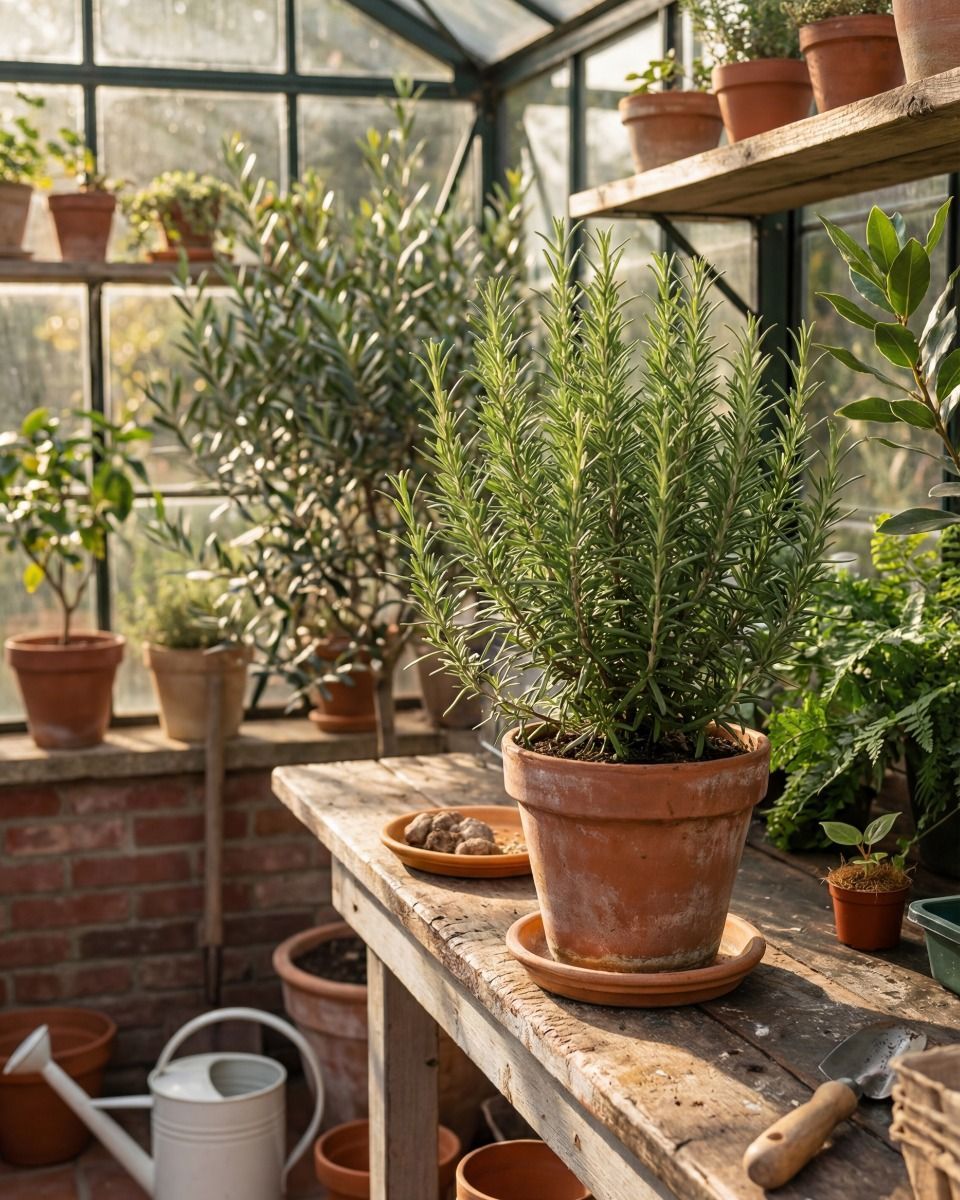
Rosmarinus officinalis is an evergreen shrub native to the Mediterranean region. It is known for its aromatic, needle-shaped leaves that are widely used in cooking.
In spring and early summer, rosemary produces small blue to pale purple flowers that attract bees and other pollinators. The plant typically grows between 50 and 150 cm tall, depending on pruning and growing conditions.
Rosemary has a naturally bushy habit and can be shaped into compact shrubs or allowed to grow more freely in informal gardens.
When to plant Rosmarinus
The best time to plant Rosmarinus officinalis is in spring, once the risk of frost has passed. This allows the roots to establish during the warmer months.
In mild climates, planting in early autumn is also possible. Avoid planting during very wet or cold conditions, as rosemary prefers warmth and well-draining soil.
How to care for Rosmarinus
Rosmarinus officinalis is easy to care for when planted in the right location. It thrives in warmth, sun and dry conditions.
Light and location
Rosemary prefers full sun. Choose a bright, warm location where the plant receives at least six hours of direct sunlight per day.
A south-facing border, gravel garden or sunny terrace is ideal. Protect the plant from cold, strong winds in cooler climates.
Soil
Well-draining soil is essential for rosemary. It tolerates poor and sandy soils well, as long as excess water can drain away easily.
Avoid heavy, waterlogged soil. When growing rosemary in pots, use high-quality potting soil and ensure the container has good drainage holes.
Watering
Rosemary is drought tolerant once established. Water young plants regularly during their first growing season to help them develop strong roots.
After that, water sparingly and allow the soil to dry slightly between watering. Overwatering is one of the most common causes of problems with rosemary.
Pruning
Prune rosemary lightly after flowering to maintain a compact shape and encourage bushy growth. Regular trimming also prevents the plant from becoming woody.
Avoid cutting into old, hard wood, as rosemary does not always regrow easily from bare stems. Gentle, consistent pruning keeps the plant healthy and attractive.
Winter care for Rosmarinus
Rosmarinus officinalis tolerates mild frost but is not fully winter hardy in colder climates. In regions with harsh winters, protection may be needed.
Potted plants can be moved to a sheltered, frost-free location during winter. If planted in the ground, protect the roots with mulch and cover the plant with fleece during severe frost.
Good drainage during winter is especially important to prevent root damage.
Where to place Rosmarinus in the garden
Rosemary is perfect for Mediterranean gardens, herb borders and gravel gardens. It works beautifully along pathways, where its fragrance can be enjoyed when brushed against.
Rosmarinus officinalis also grows well in containers on sunny terraces and balconies. It pairs wonderfully with lavender, olive trees and thyme, creating a warm and aromatic planting scheme.
Its evergreen foliage ensures year-round structure and colour.
FAQ about Rosmarinus
Is Rosmarinus wildlife-friendly?
Yes, rosemary flowers attract bees and other pollinators, making it a valuable plant for biodiversity-friendly gardens.
Is Rosmarinus winter hardy?
Rosemary tolerates light frost but may need protection in colder climates with prolonged freezing temperatures.
Can Rosmarinus grow in pots?
Yes, rosemary grows very well in containers, especially in regions where winter protection is necessary.
Is Rosmarinus edible?
Yes, Rosmarinus officinalis is a culinary herb commonly used to flavour meats, vegetables and breads.
Does Rosmarinus stay green all year?
Yes, rosemary is evergreen and provides year-round foliage and structure.
Buy Rosmarinus plants online
Looking to buy high-quality Rosmarinus officinalis online? Discover our rosemary plants, perfect for sunny gardens, terraces and herb borders.
Whether you’re creating a Mediterranean garden or growing your own fresh herbs, our rosemary plants are strong, healthy and ready to thrive in your outdoor space. Enjoy fragrant foliage, delicate flowers and evergreen beauty season after season.