How to care for Phoenix: expert tips for thriving garden plants
Phoenix, better known as the Canary Island date palm, is a striking and elegant palm that instantly creates a Mediterranean atmosphere. With its thick trunk and large, arching feather-shaped leaves, Phoenix canariensis brings structure, height and a tropical feel to gardens, patios and sunny terraces.
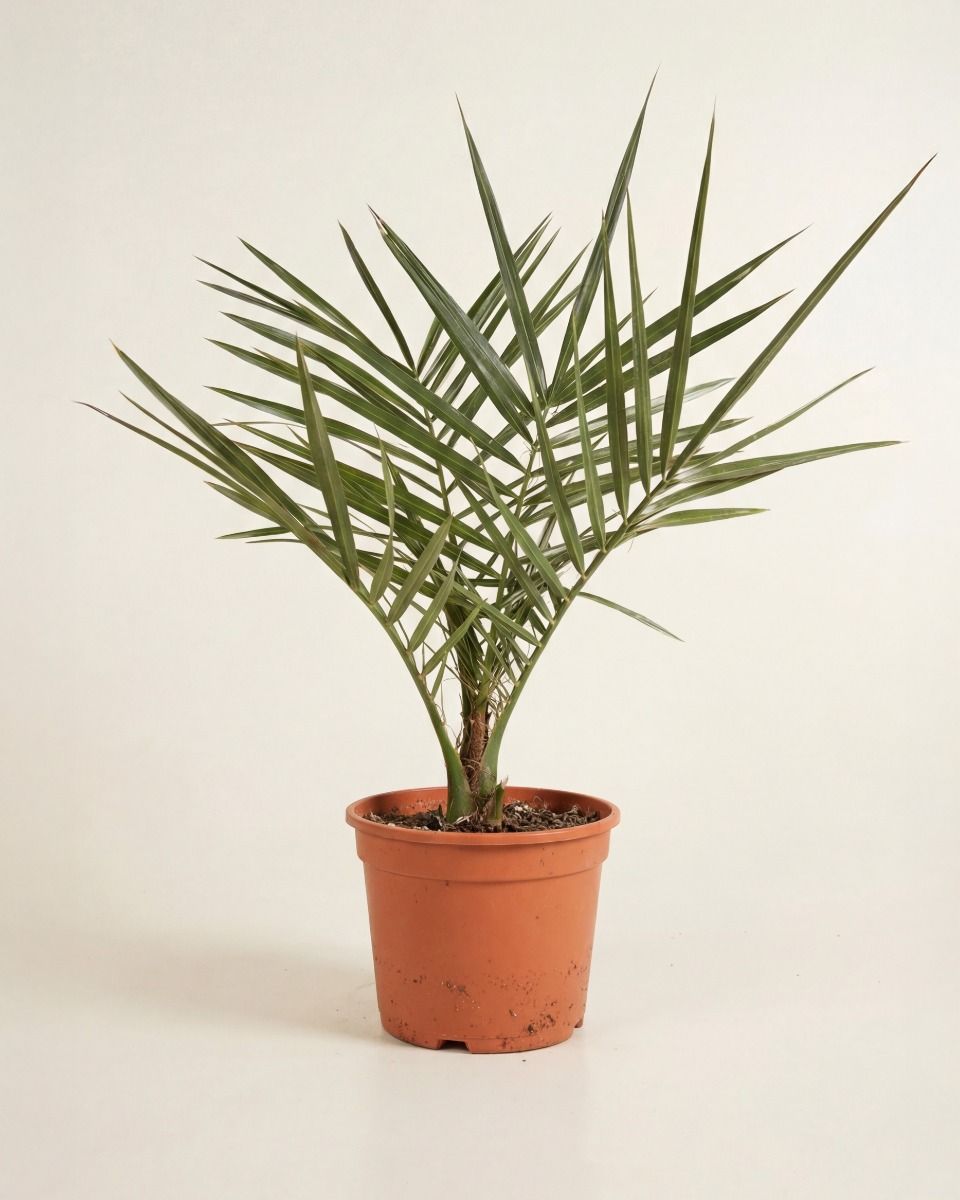
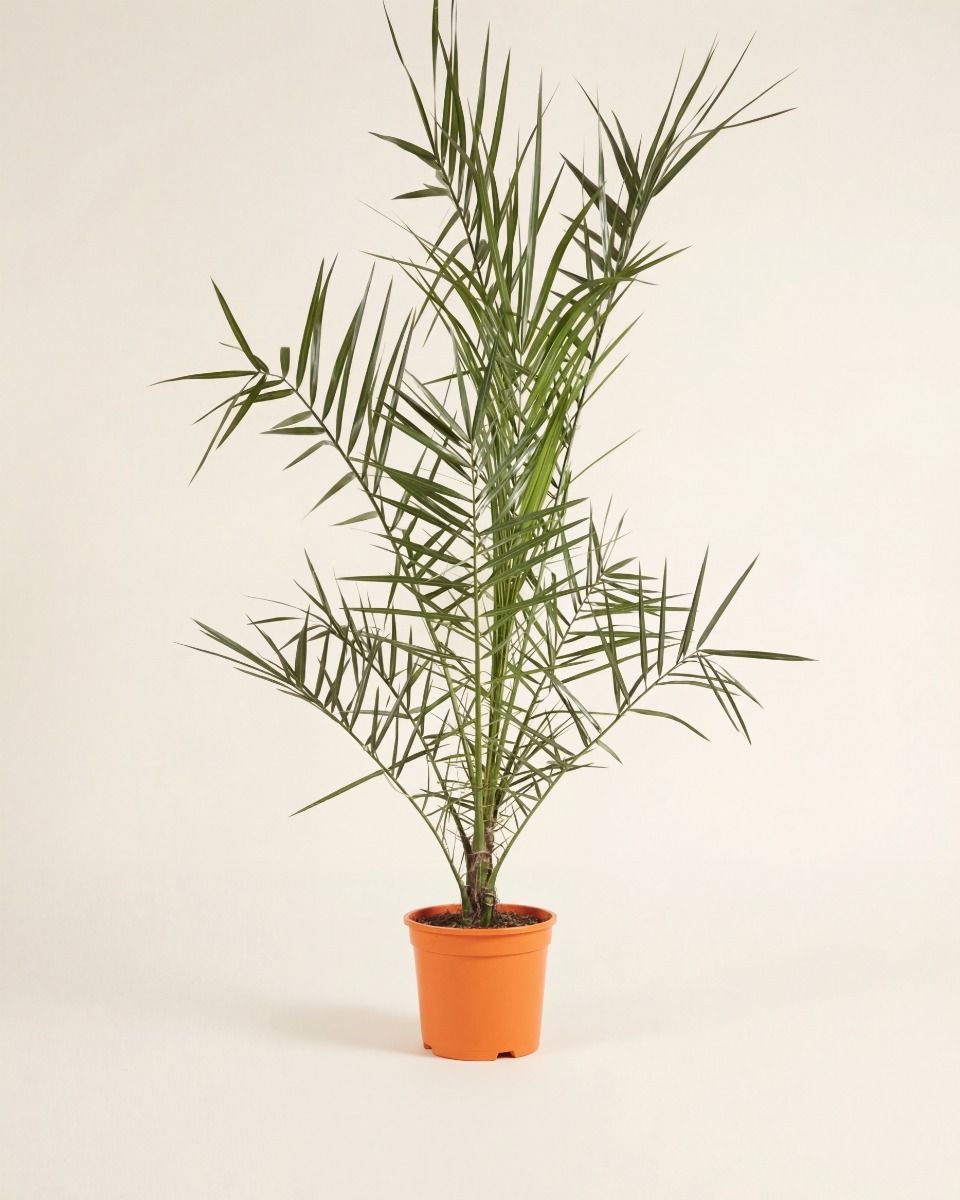
Available in two different sizes, Phoenix canariensis is suitable for both compact outdoor spaces and larger gardens. Whether you choose a smaller palm for your balcony or a larger specimen as a statement plant, this evergreen beauty adds year-round impact and holiday vibes to your outdoor space.
What are Phoenix plants?
Phoenix is a genus of feather-leaved palms native to warm regions. Phoenix canariensis, also known as the Canary Island date palm, is one of the most popular ornamental palm species in Europe.
It is recognised for its sturdy trunk and long, arching fronds that create a lush, tropical silhouette. In warm climates, Phoenix canariensis can grow into a large tree over time. In cooler regions, it is often grown in containers so it can be protected during winter.
Depending on the size you choose, Phoenix canariensis can suit both terraces and spacious gardens while maintaining its impressive appearance.
When to plant Phoenix
The best time to plant Phoenix canariensis is in spring, once the risk of frost has passed. This allows the roots to establish during the warm growing season.
In mild climates, planting in early summer is also possible. Avoid planting during cold or very wet periods, as young palms are sensitive to frost and waterlogged soil.
How to care for Phoenix
Phoenix canariensis is relatively easy to care for when placed in a warm, sunny location. With proper light and drainage, it will grow steadily and remain healthy for many years.
Light and location
Phoenix thrives in full sun. Choose a bright and sheltered spot where the palm receives plenty of direct sunlight each day. A warm wall or south-facing terrace is ideal. Protect young plants from strong, cold winds, especially during winter.
Soil
Phoenix prefers well-draining soil. It tolerates different soil types, as long as excess water can drain away easily. When planting in pots, use high-quality potting soil and ensure the container has sufficient drainage holes. Avoid heavy, compact soil that stays wet for long periods.
Watering
During the growing season, water Phoenix regularly, especially in warm weather. The soil should remain slightly moist but not soggy. Young plants require more consistent watering while establishing. In winter, reduce watering significantly, particularly if the plant is kept in a cooler environment.
Pruning
Phoenix requires minimal pruning. Remove old, brown, or damaged leaves by cutting them close to the trunk. Avoid removing healthy green leaves, as they are important for growth. Keeping the palm tidy improves airflow and maintains its elegant appearance.
Winter care for Phoenix
Phoenix canariensis is moderately hardy but not fully frost resistant. It can tolerate light, short periods of frost, but prolonged freezing temperatures may cause damage.
In colder climates, it is recommended to grow Phoenix in containers so it can be moved to a frost-free space during winter. If planted in the ground, protect the trunk and crown with fleece during severe frost. Good drainage is essential during winter to prevent root damage.
Where to place Phoenix in the garden
Phoenix canariensis is perfect as a statement plant in Mediterranean-style gardens. It works beautifully as a focal point on patios, terraces or in sunny borders.
Smaller sizes are ideal for balconies and compact outdoor spaces, while larger specimens create impressive height and structure in spacious gardens.
Phoenix pairs well with olive trees, citrus plants, lavender and ornamental grasses, creating a warm and relaxed southern European atmosphere.
FAQ about Phoenix
Is Phoenix wildlife-friendly?
Phoenix is mainly grown for ornamental value, though its dense foliage can offer shelter for birds in larger gardens.
Is Phoenix winter hardy?
Phoenix canariensis tolerates light frost but is not fully winter hardy in colder climates. Winter protection is recommended.
Can Phoenix grow in pots?
Yes, Phoenix grows very well in large containers, especially in regions with cold winters where protection is needed.
How fast does Phoenix grow?
Phoenix canariensis grows steadily in warm, sunny conditions and can become an impressive palm over time.
Does Phoenix stay green all year?
Yes, Phoenix is an evergreen palm that provides year-round structure and greenery.
Buy Phoenix plants online
Looking to buy high-quality Phoenix Canariensis online? Discover our Canary Island date palms, available in two different sizes to suit your garden, terrace, or balcony.
Whether you want a compact palm for a sunny patio or a larger statement plant to create a Mediterranean focal point, our Phoenix plants are strong, healthy, and ready to thrive in your outdoor space. Enjoy tropical elegance and evergreen structure all year round.