In this article
- 1 How to care for Olea: expert tips for thriving garden plants
- 1.1 What are Olea plants?
- 1.2 When to plant Olea
- 1.3 How to care for Olea
- 1.3.1 Light and location
- 1.3.2 Soil
- 1.3.3 Watering
- 1.3.4 Pruning
- 1.4 Winter care for Olea Olea europaea tolerates light frost, but it is not fully winter hardy in colder climates. In regions with harsh winters, protection is recommended.
- 1.5 Where to place Olea in the garden
- 1.6 FAQ about Olea
- 1.7 Buy Olea plants online
How to care for Olea: expert tips for thriving garden plants
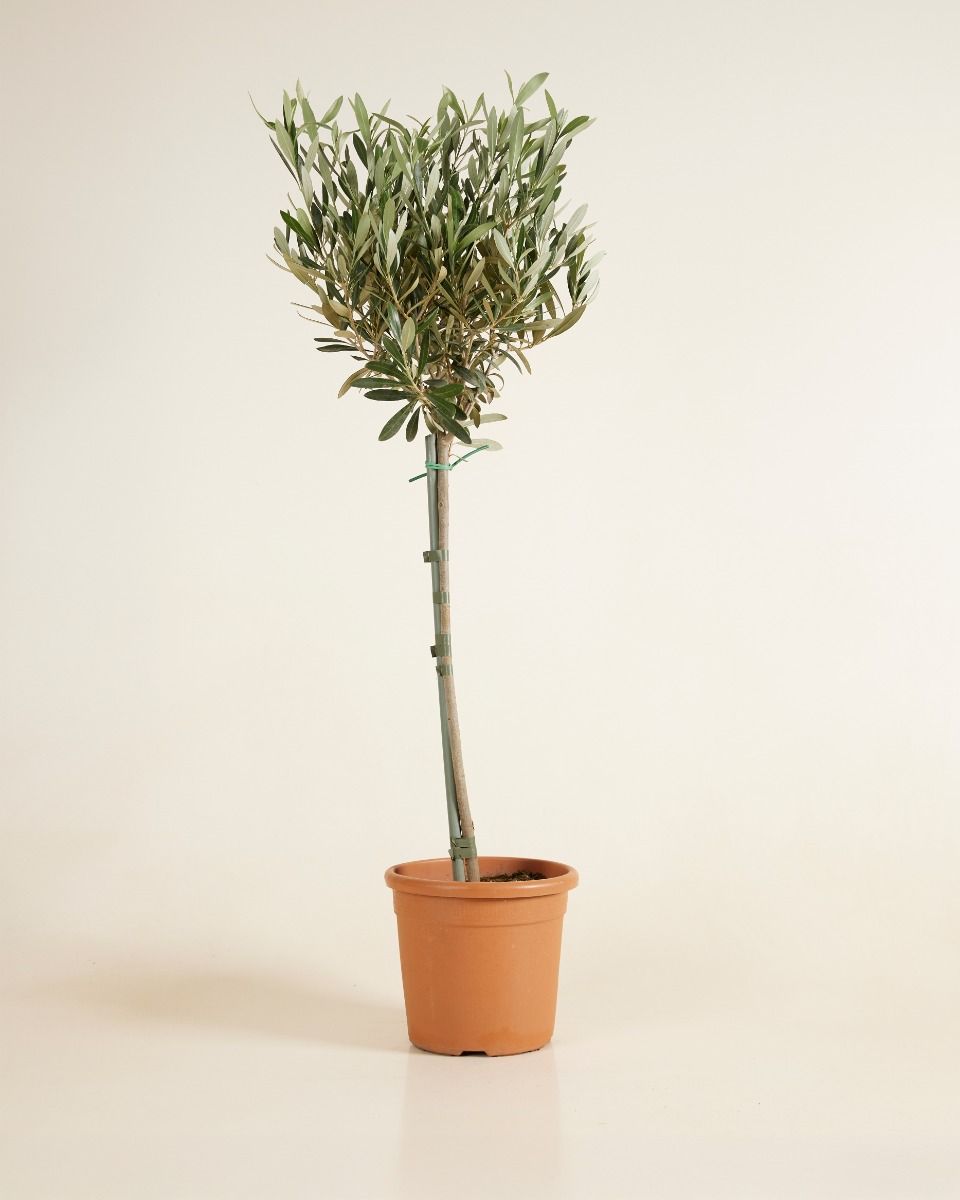
Olea europaea, better known as the olive tree, is a timeless Mediterranean classic. With its silvery-grey leaves, elegant trunk, and relaxed appearance, this evergreen tree instantly creates a warm and sunny atmosphere in your garden or on your terrace.
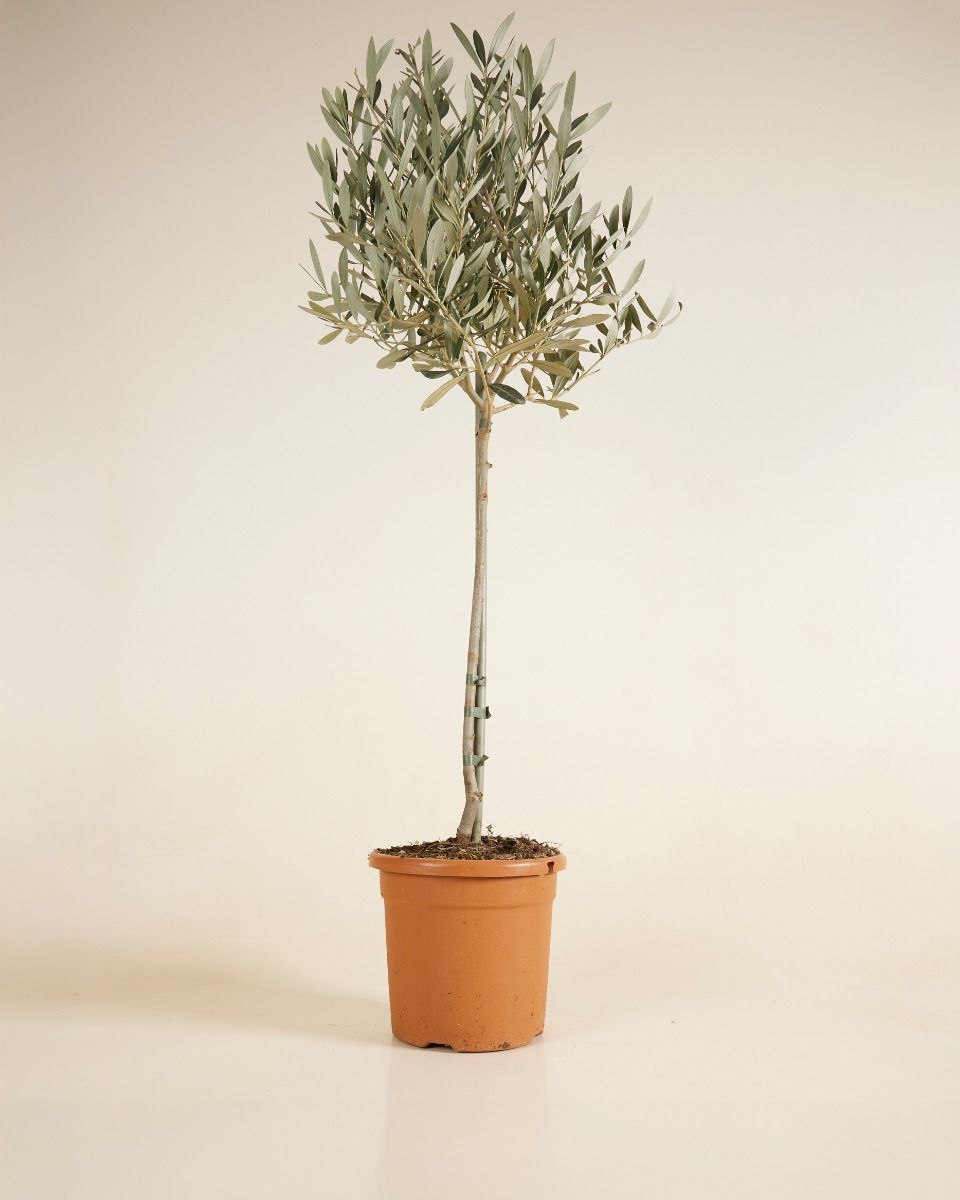
Available in multiple sizes, Olea europaea is suitable for both compact balconies and spacious gardens. Whether you choose a smaller olive tree for a sunny patio or a larger specimen as a statement plant, this Mediterranean beauty brings structure, character, and year-round greenery to your outdoor space.
What are Olea plants?
Olea europaea is an evergreen tree native to the Mediterranean region. It is known for its narrow, grey-green leaves and naturally gnarled trunk, which becomes more characterful with age.
In warm climates, olive trees can grow into large, long-lived trees. In cooler regions, they are often grown in pots so they can be protected during winter. Depending on the size you choose, Olea europaea can function as a compact patio tree or as a striking focal point in the garden. Under the right conditions, olive trees may even produce small olives during warm summers.
When to plant Olea
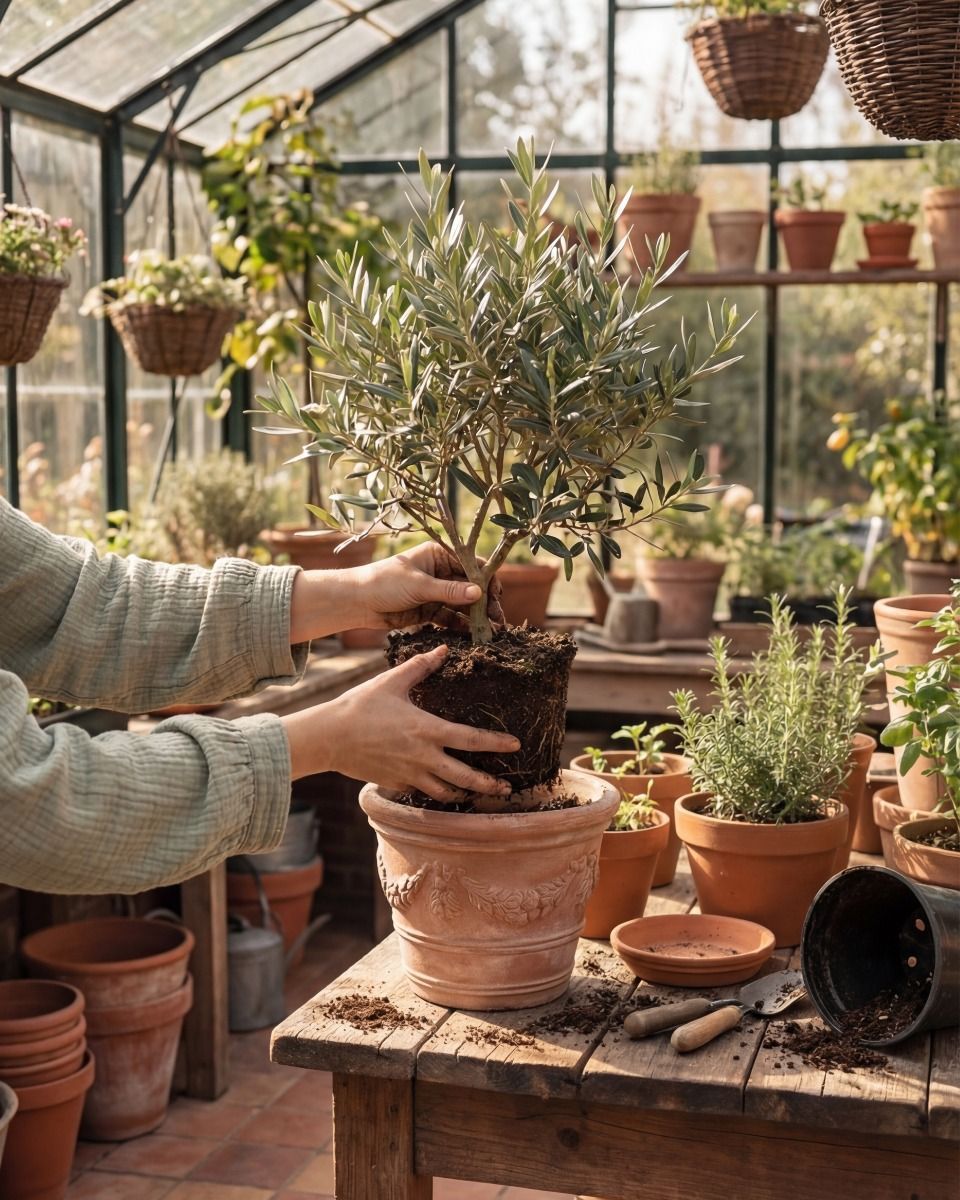
The best time to plant Olea europaea is in spring, once the risk of frost has passed. This allows the roots to establish during the warm growing season. In mild climates, planting in early autumn is also possible. Avoid planting during periods of frost or prolonged wet conditions, as olive trees prefer warmth and good drainage.
How to care for Olea
Olea europaea is relatively easy to care for when placed in a sunny, sheltered location. With the right light and soil, it will thrive for many years.
Light and location
Olea thrives in full sun. Choose a bright, warm location where the tree receives at least six to eight hours of direct sunlight per day. A south-facing wall or sheltered terrace is ideal. Protect the tree from cold, strong winds, especially in winter.
Soil
Olive trees prefer well-draining soil. They tolerate poor and sandy soils well, as long as excess water can drain away easily. When planting in pots, use high-quality Mediterranean or well-draining potting soil. Ensure the container has drainage holes to prevent waterlogging.
Watering
During the growing season, water regularly but moderately. Allow the top layer of soil to dry slightly between watering. Olive trees are drought-tolerant once established, but potted plants may require more frequent watering during hot summer periods. In winter, reduce watering significantly.
Pruning
Prune Olea in spring to maintain its shape and encourage healthy growth. Remove dead, damaged, or crossing branches to keep the crown open and airy. Light pruning each year helps maintain a compact and balanced structure. Avoid heavy pruning late in the season, as this can make the tree more sensitive to cold.
Winter care for Olea
Olea europaea tolerates light frost, but it is not fully winter hardy in colder climates. In regions with harsh winters, protection is recommended.
Potted olive trees can be moved to a cool, bright, and frost-free location during winter. If planted in the ground, protect the roots with mulch and wrap the crown with fleece during severe frost. Good drainage is especially important in winter to prevent root damage.
Where to place Olea in the garden
Olea europaea is perfect for Mediterranean-style gardens, sunny terraces and patios. It works beautifully as a standalone statement plant in large containers or as a focal point in a gravel garden.
Smaller sizes are ideal for balconies, while larger specimens create impressive structure in spacious gardens. Olive trees combine wonderfully with lavender, rosemary, ornamental grasses and citrus plants, creating a relaxed southern European atmosphere.
FAQ about Olea
Is Olea wildlife-friendly?
Olea flowers can attract pollinators, and the tree provides shelter for birds in larger gardens.
Is Olea winter hardy?
Olea tolerates light frost but needs protection in colder climates with prolonged freezing temperatures.
Can Olea grow in pots?
Yes, Olea europaea grows very well in large containers, especially in regions where winter protection is necessary.
Does Olea produce olives?
Under warm and sunny conditions, Olea europaea may produce olives, although fruiting depends on climate and care.
Does Olea stay green all year?
Yes, Olea europaea is evergreen and provides year-round structure and colour.
Buy Olea plants online
Looking to buy high-quality Olea europaea online? Discover our olive trees available in multiple sizes, perfect for gardens, terraces and balconies.
Whether you’re looking for a compact patio tree or a larger Mediterranean statement plant, our olive trees are strong, healthy and ready to thrive in your outdoor space. Bring timeless Mediterranean charm to your garden and enjoy evergreen elegance all year round.