In this article
- 1 How to care for Lavandula: expert tips for thriving garden plants
- 1.1 What are Lavandula plants?
- 1.2 When to plant Lavandula
- 1.3 How to care for Lavandula
- 1.3.1 Light and location
- 1.3.2 Soil
- 1.3.3 Watering
- 1.3.4 Pruning
- 1.4 Winter care for Lavandula
- 1.5 Where to place Lavandula in the garden
- 1.6 FAQ about Lavandula
- 1.7 Buy Lavandula plants online
How to care for Lavandula: expert tips for thriving garden plants
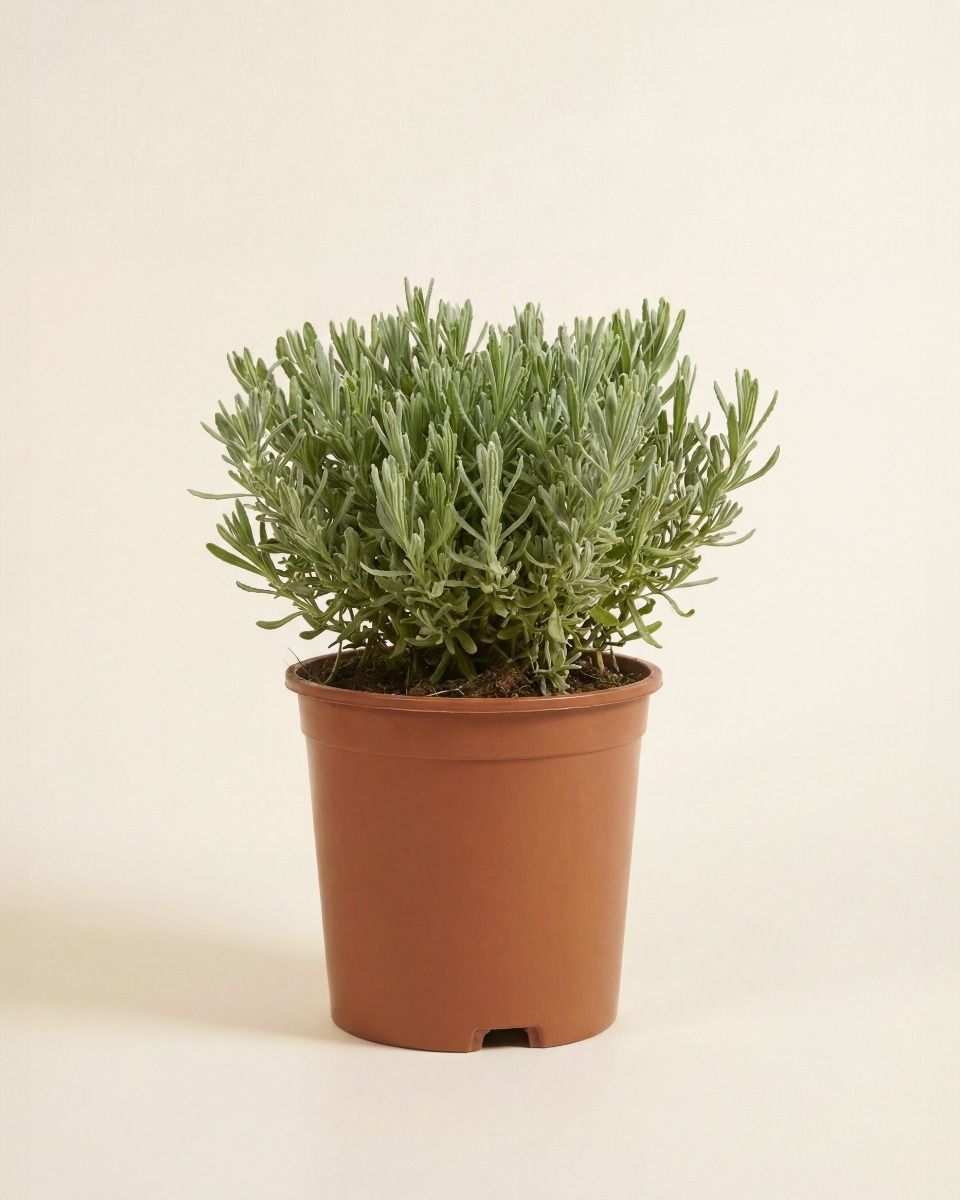
Lavandula, better known as lavender, is a true Mediterranean classic. With its fragrant purple flower spikes and silvery-grey foliage, this sun-loving garden plant brings colour, structure and a calming scent to any outdoor space. Lavender is perfect for borders, gravel gardens, terraces and balconies, and is loved for its long flowering season and low-maintenance character.
Whether you want to create a Mediterranean garden, a romantic cottage border or a pollinator-friendly outdoor space, Lavandula is a reliable and beautiful choice for both beginner and experienced gardeners.
What are Lavandula plants?
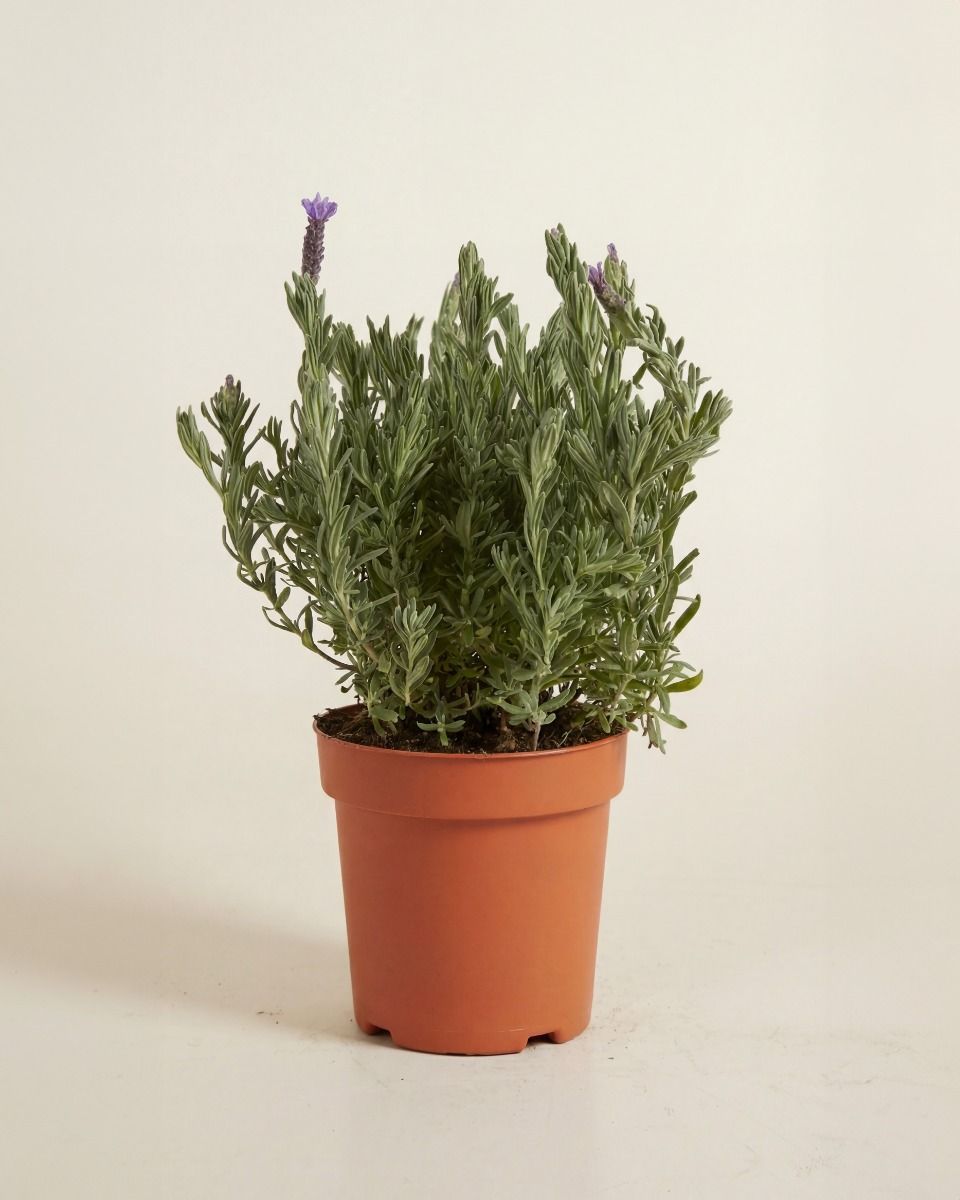
Lavandula is a genus of evergreen shrubs originating from the Mediterranean region. These compact, bushy plants are known for their narrow, aromatic leaves and upright flower spikes in shades of purple, blue, pink or white.
Lavender typically blooms from late spring to summer, depending on the variety. Popular types include Lavandula angustifolia (English lavender), Lavandula stoechas (French lavender) and Lavandula x intermedia (lavandin). Most varieties grow between 30 and 80 cm tall and are well suited for sunny gardens.
Besides their ornamental value, Lavandula plants are also known for their pleasant fragrance and ability to attract bees and butterflies.
When to plant Lavandula
The best time to plant Lavandula in the garden is in spring or early autumn. During these periods, the soil is still warm, allowing the roots to establish properly before extreme heat or frost arrives.
Spring planting gives the plant time to grow strong before winter, while autumn planting works well in milder climates. Avoid planting during periods of heavy frost or very wet conditions, as lavender prefers well-drained soil.
How to care for Lavandula
Lavandula is relatively easy to care for, especially when planted in the right spot. With plenty of sun and well-draining soil, lavender will thrive and flower abundantly year after year.
Light and location
Lavandula thrives in full sun. Choose a warm, sunny location where the plant receives at least six hours of direct sunlight per day. The more sun lavender gets, the more compact it grows and the better it flowers.
Lavender prefers a sheltered position, protected from strong winds and excessive winter moisture. It is ideal for south-facing borders, gravel gardens and sunny terraces.
Soil
Well-draining soil is essential for Lavandula. Lavender does not tolerate wet or heavy soil, especially in winter. Sandy or slightly chalky soil is ideal.
If your garden soil is heavy, improve drainage by mixing in sand or grit before planting. When growing lavender in pots, always use high-quality potting soil and make sure the container has good drainage holes.
Watering
Lavandula is drought tolerant once established. Young plants need regular watering during their first growing season to help them develop strong roots.
After that, water sparingly and allow the soil to dry out between watering. Overwatering is one of the most common causes of problems, as lavender roots can rot in overly wet soil.
Pruning
Regular pruning keeps Lavandula compact and encourages abundant flowering. Prune lightly after flowering in summer by removing faded flower stems.
In early spring, trim the plant back slightly to maintain its shape. Avoid cutting into old, woody stems, as lavender does not easily regrow from bare wood. Proper pruning helps prevent the plant from becoming leggy and woody over time.
Winter care for Lavandula
Many Lavandula varieties, especially Lavandula angustifolia, are winter hardy in moderate climates. However, lavender dislikes cold, wet soil during winter.
Ensure good drainage to protect the roots from excess moisture. In colder regions, a layer of mulch or gravel around the base can provide extra protection. Potted plants may need to be placed in a sheltered spot during severe frost.
Where to place Lavandula in the garden
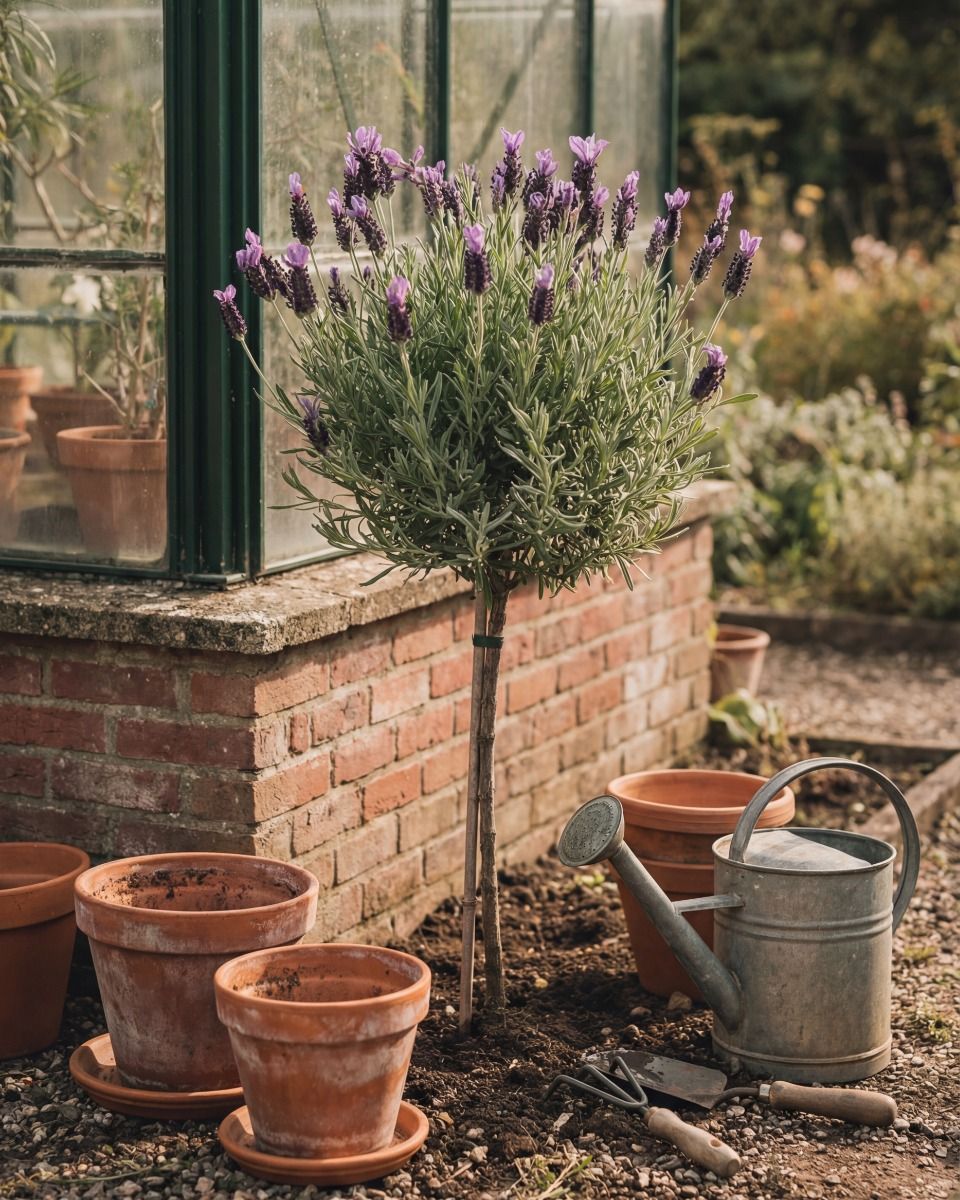
Lavandula is perfect for sunny borders, gravel gardens and Mediterranean-style plantings. It also works beautifully along pathways, where its fragrance is released when brushed against.
Lavender grows well in raised beds, rock gardens and large containers on patios or balconies. It combines wonderfully with ornamental grasses, salvia, rosemary and other drought-tolerant perennials, creating a relaxed and sun-loving garden atmosphere.
FAQ about Lavandula
Is Lavandula wildlife-friendly?
Yes, Lavandula is highly attractive to bees, butterflies and other pollinators. It is an excellent choice for a wildlife-friendly garden.
Is Lavandula winter hardy?
Many varieties, especially Lavandula angustifolia, are winter hardy. Good drainage is essential to help the plant survive colder months.
Can Lavandula grow in pots?
Yes, lavender grows very well in pots, as long as the container has excellent drainage and is placed in full sun.
When does Lavandula bloom?
Lavender typically blooms from late spring to summer, depending on the variety and climate.
Does Lavandula come back every year?
Yes, Lavandula is a perennial evergreen shrub that returns each year when properly cared for.
Buy Lavandula plants online
Looking to buy high-quality Lavandula plants online? Discover our carefully selected lavender varieties, including beautiful options like Lavandula stoechas ‘Anouk’, perfect for sunny gardens, terraces and balconies.
Whether you are creating a Mediterranean garden, a pollinator-friendly border or a fragrant patio display, you’ll find the perfect lavender in our collection. From classic English lavender to eye-catching varieties like ‘Anouk’ with its distinctive flower bracts, our garden plants are strong, healthy and ready to thrive in your outdoor space, so you can enjoy beautiful blooms and wonderful fragrance season after season.