In this article
- 1 How to care for Hydrangea: expert tips for thriving garden plants
- 1.1 What are Hydrangea plants?
- 1.2 When to plant Hydrangea
- 1.3 How to care for Hydrangea
- 1.3.1 Light and location
- 1.3.2 Soil
- 1.3.3 Watering
- 1.3.4 Pruning
- 1.4 Winter care for Hydrangea
- 1.5 Where to place Hydrangea in the garden
- 1.6 FAQ about Hydrangea
- 1.7 Buy Hydrangea plants online
How to care for Hydrangea: expert tips for thriving garden plants
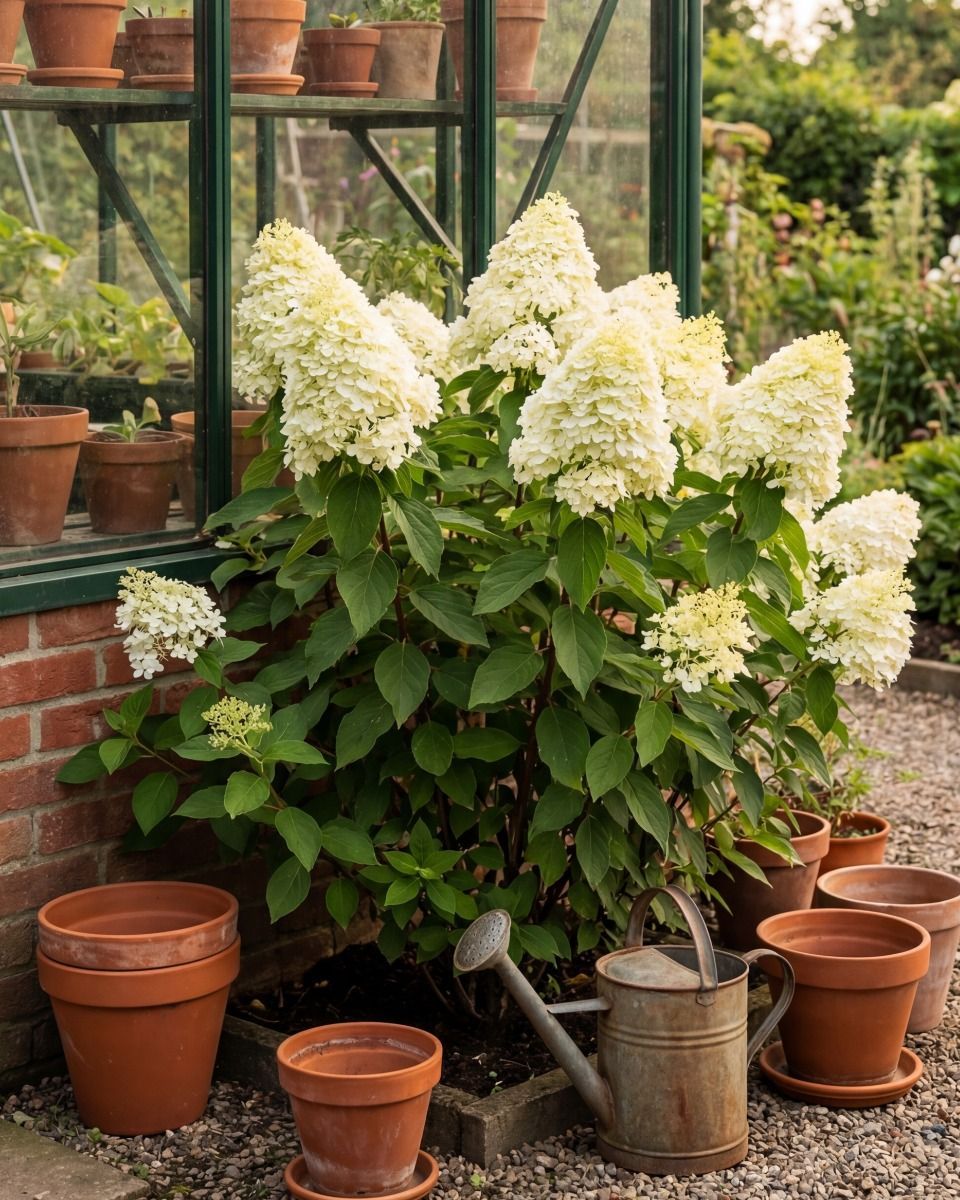
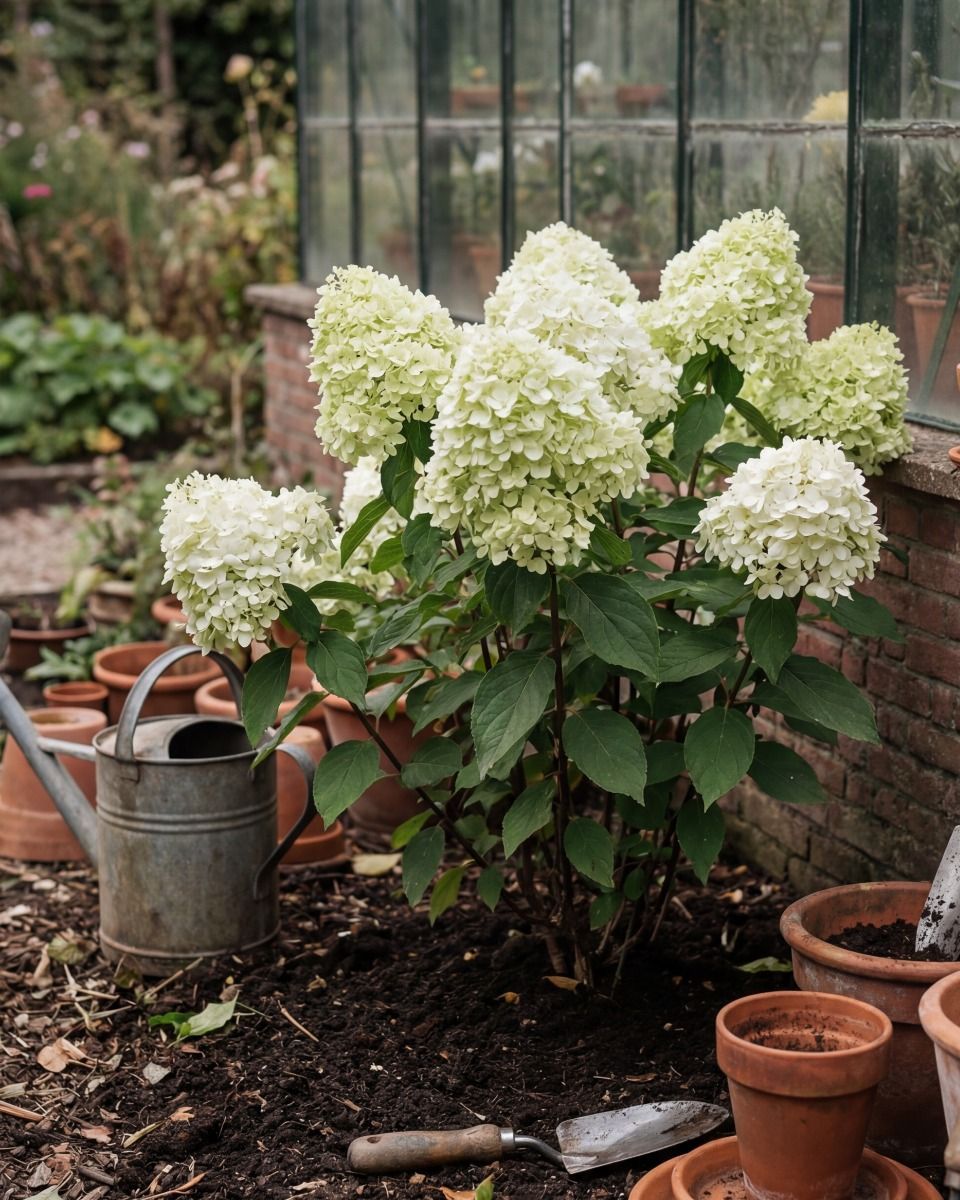
Hydrangea plants are true garden favourites, loved for their large, show-stopping blooms and long flowering season. These versatile garden shrubs bring colour, structure and elegance to borders, terraces and balconies from summer well into autumn. Whether you prefer compact varieties for pots or impressive statement plants for spacious borders, there is a Hydrangea for every outdoor space.
From the spectacular Hydrangea paniculata ‘Hercules’ to the compact ‘Little Fresco’ and ‘Little Spooky’, and the popular Hydrangea arborescens ‘Strong Annabelle’, this plant family offers reliable flowering, winter hardiness and easy care, making Hydrangeas a perfect choice for both beginner and experienced gardeners.
What are Hydrangea plants?
Hydrangeas are deciduous flowering shrubs that originally come from Asia and North America. They are loved for their large flower heads, which can be round or cone-shaped. Most Hydrangeas bloom from summer until early autumn.
A popular type is Hydrangea paniculata, known for its cone-shaped flowers and strong, upright growth. These varieties are very hardy and bloom on new branches each year, which makes them easy to prune.
Beautiful examples include:
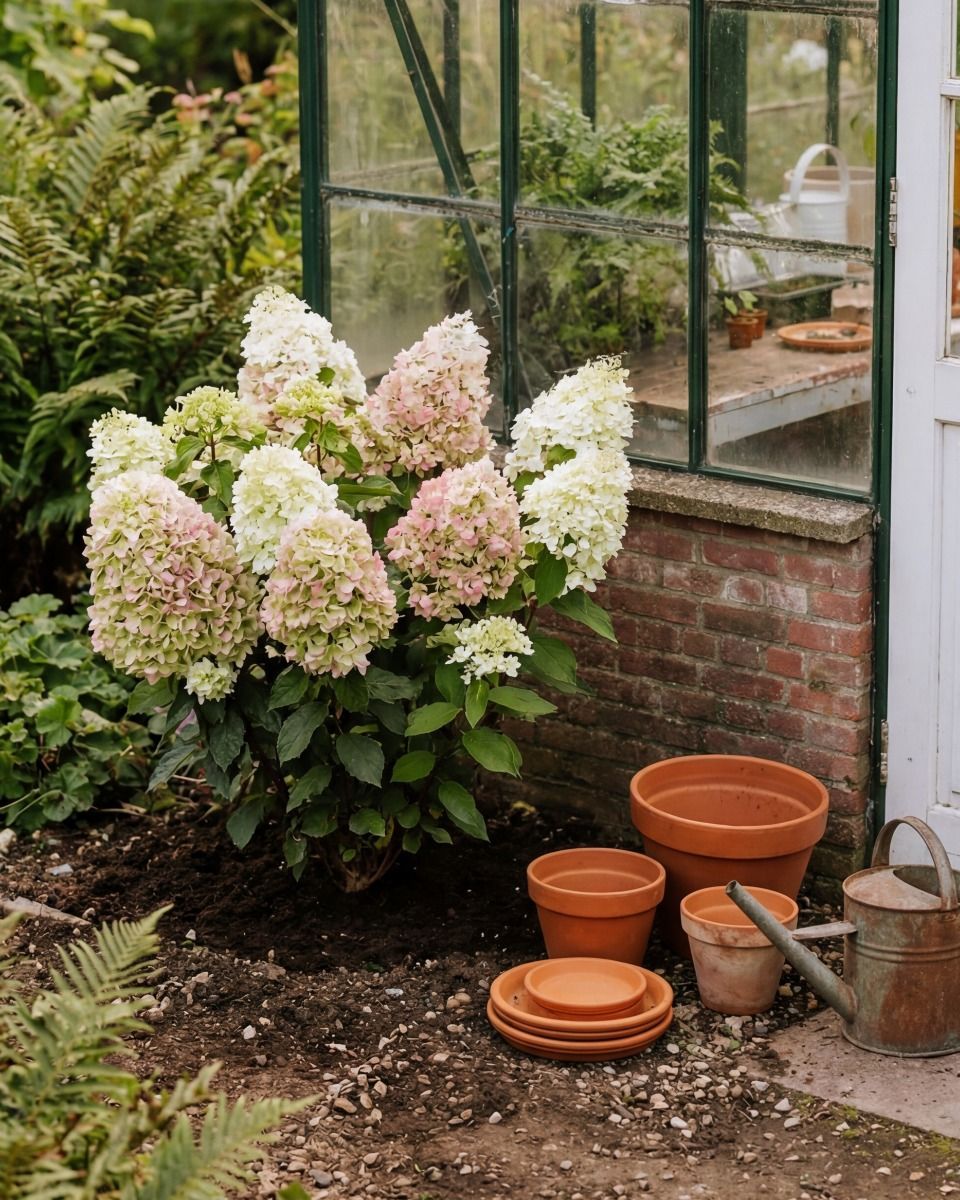
- Hydrangea paniculata ‘Hercules’ – A large, eye-catching variety with impressive flower panicles that change colour during the season.
- Hydrangea paniculata ‘Little Fresco’ – A compact plant with fresh green-white flowers, perfect for small gardens or pots.
- Hydrangea paniculata ‘Little Spooky’ – A dwarf variety with dense, creamy white blooms, ideal for containers and small borders.
- Hydrangea arborescens ‘Strong Annabelle’ – A strong-growing variety with large, round white flowers and firm stems that prevent the blooms from drooping.
Depending on the variety, Hydrangeas grow between 50 cm and 150 cm tall and are fully winter-hardy garden shrubs.
When to plant Hydrangea
The best time to plant Hydrangea in the garden is in spring or autumn. During these seasons, the soil is still warm and moist, which helps the roots establish more easily.
Planting in spring gives the shrub a full growing season to settle in before winter. Autumn planting is also ideal, as the plant can focus on developing strong roots without the stress of summer heat.
Avoid planting during periods of frost or extreme heat. If you plant in summer, make sure to water regularly, especially during dry spells, to help your Hydrangea establish successfully.
How to care for Hydrangea
Hydrangeas are relatively easy to care for, especially paniculata and arborescens varieties such as ‘Strong Annabelle’. With the right location and simple maintenance, they will reward you with abundant blooms every year.
Light and location
Hydrangea paniculata thrives in full sun to partial shade. A spot with morning sun and light afternoon shade is ideal, especially in warmer climates.
They perform best in sheltered locations protected from strong winds, as large flower heads can become heavy during peak bloom. Compact varieties like ‘Little Fresco’ and ‘Little Spooky’ are also perfectly suited for pots on terraces or balconies.
Soil
Hydrangeas prefer well-draining, nutrient-rich soil. Paniculata varieties are less sensitive to soil pH than other Hydrangea types and tolerate a wide range of soil conditions.
Ensure the soil retains moisture but does not stay waterlogged. When planting in pots, use high-quality potting soil and make sure the container has drainage holes.
Watering
Hydrangeas enjoy consistently moist soil, especially during the growing and flowering season.
- Water regularly during dry periods.
- Young plants require more frequent watering while establishing roots.
- Avoid letting the soil dry out completely, particularly for potted plants.
In winter, watering can be reduced significantly.
Pruning
One of the advantages of Hydrangea paniculata is that it flowers on new wood, meaning it blooms on growth produced in the same year.
- Prune in early spring (March–April)
- Cut stems back to about 20–40 cm above ground level
- Remove weak or damaged branches
This encourages strong new growth and larger flower panicles, especially for vigorous varieties like ‘Hercules’.
Winter care for Hydrangea
Hydrangea varieties are fully winter hardy in most European climates. In very cold regions, applying a layer of mulch around the base can help protect the roots. Potted plants may benefit from extra protection during severe frost, such as wrapping the container in bubble wrap or fleece.
Where to place Hydrangea in the garden
Hydrangeas also grow beautifully in large containers on patios and in balcony planters, especially the more compact varieties. They are versatile shrubs that work well in both spacious borders and smaller outdoor spaces. Larger varieties create a striking focal point in the garden, while compact types are ideal for terraces and balconies.
Hydrangeas combine wonderfully with ornamental grasses, lavender, salvia and other summer-flowering perennials, creating a lush and colourful garden setting.
FAQ about Hydrangea
Is Hydrangea wildlife friendly?
Yes, Hydrangea paniculata can attract pollinators such as bees and butterflies, especially varieties with fertile flowers. While they are not the most nectar-rich shrubs, they still contribute to biodiversity in the garden.
Is Hydrangea winter hardy?
Yes, Hydrangea paniculata varieties like ‘Hercules’, ‘Little Fresco’ and ‘Little Spooky’ are very winter hardy and tolerate frost well.
Can Hydrangea grow in pots?
Absolutely. Compact varieties such as ‘Little Fresco’ and ‘Little Spooky’ are ideal for pots and containers, provided they receive enough water and nutrients.
When does Hydrangea bloom?
Hydrangea paniculata typically blooms from mid-summer until early autumn, with flower colours often changing as the season progresses.
Does Hydrangea come back every year?
Yes, Hydrangeas are perennial shrubs that return every year. With proper pruning and care, they will flower each summer abundantly.
Buy Hydrangea plants online
Looking to buy high-quality Hydrangea plants online? Discover our carefully selected collection, including impressive varieties like Hydrangea paniculata ‘Hercules’, compact favourites such as ‘Little Fresco’ and ‘Little Spooky’, and the popular Hydrangea ‘Strong Annabelle’.
Whether you’re searching for a statement shrub for your garden border or a bright white bloomer to add structure and elegance, you’ll find the perfect match in our webshop. Our garden plants are strong, healthy and ready to thrive in your outdoor space, so you can enjoy beautiful blooms season after season.