In this article
- 1 How to care for Chlorophytum (Spider Plant) – Expert tips for thriving plants
- 1.1 Chlorophytum care: 10 expert tips for growing it successfully
- 1.2 Chlorophytum care tips
- 1.2.1 Light requirements for Chlorophytum
- 1.2.2 Watering
- 1.2.3 Nutrition
- 1.2.4 Temperature & humidity
- 1.2.5 Soil & repotting
- 1.3 Propagating Chlorophytum
- 1.4 Most common pests on Chlorophytum
- 1.5 Is Chlorophytum poisonous for your pets or children?
- 1.6 Buy your new Chlorophytum online at PLNTS.com
How to care for Chlorophytum (Spider Plant) – Expert tips for thriving plants
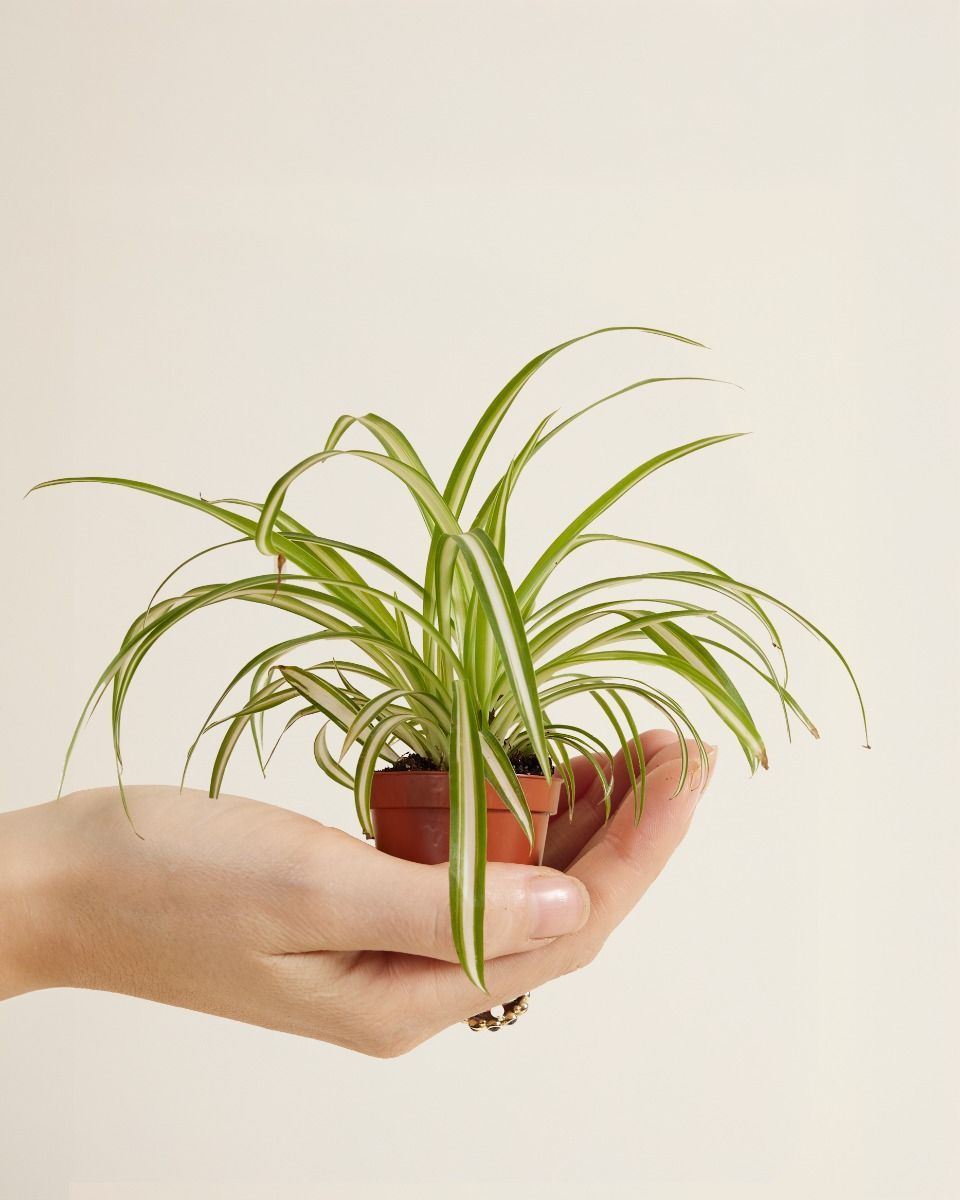
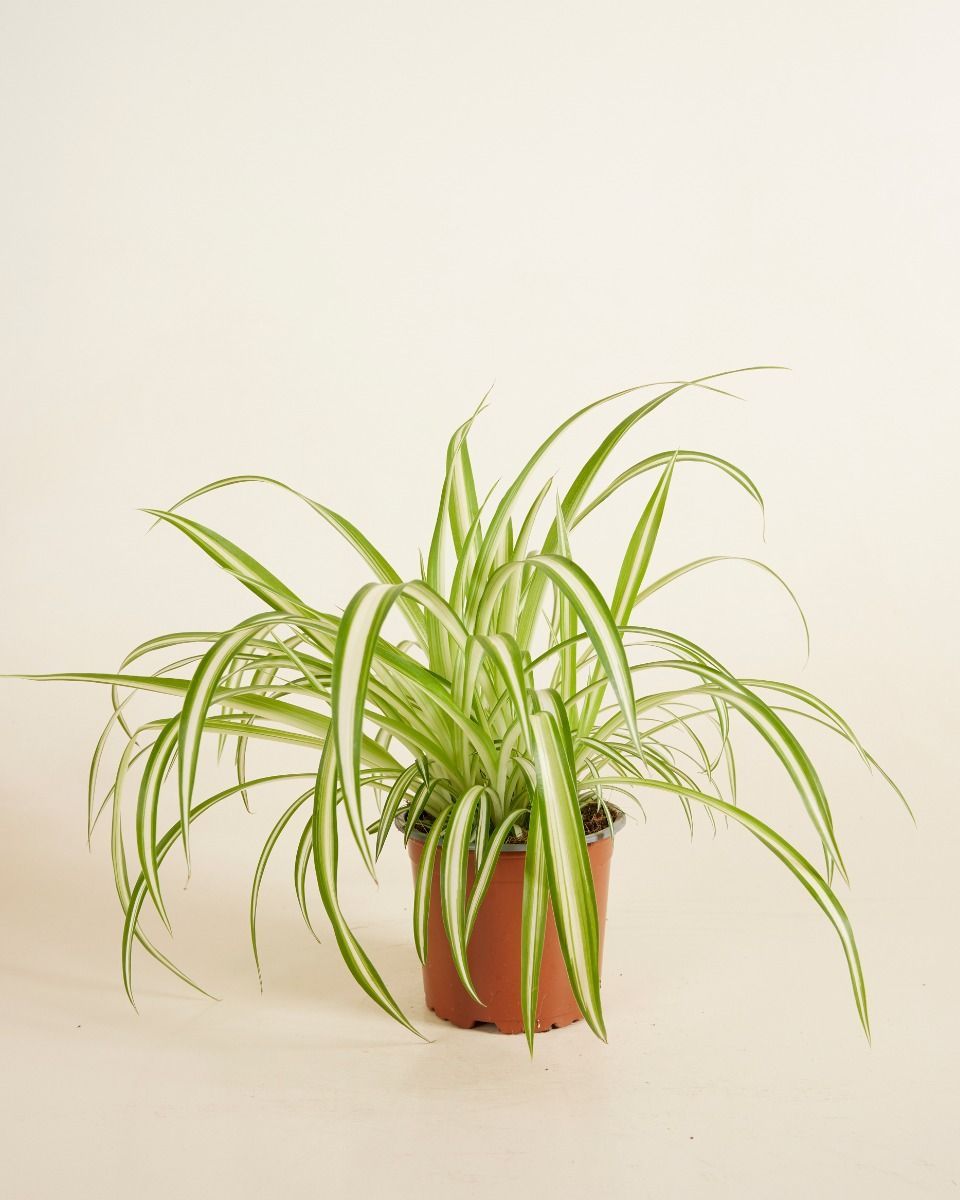
Chlorophytum comosum ‘Variegatum’, commonly known as the Spider Plant, is one of the easiest and most rewarding houseplants to grow. With its long, arching green leaves striped with creamy white, this cheerful plant brings a fresh and lively look to any room. It’s also famous for producing little baby plants that dangle from the mother plant like tiny spiders.
Native to South Africa, the Spider Plant is extremely adaptable and beginner-friendly. It grows well in many indoor conditions and is a great choice for shelves, hanging pots or plant stands.
Chlorophytum care: 10 expert tips for growing it successfully
- Place your Chlorophytum in bright, indirect light for the best growth.
- It can tolerate lower light, but avoid very dark corners.
- Water when the top layer of soil feels slightly dry.
- Avoid overwatering to prevent root rot.
- Use filtered or rested tap water if possible, as Spider Plants can be sensitive to chemicals in water.
- Feed your plant once a month during spring and summer.
- Keep temperatures between 18–25°C for optimal growth.
- Remove yellow or dry leaves to keep the plant looking fresh.
- Repot every 2–3 years or when the plant becomes root-bound.
- Check your plant regularly for pests and treat them early if needed.
Chlorophytum care tips
Light requirements for Chlorophytum
Chlorophytum comosum ‘Variegatum’ grows best in bright, indirect light. The beautiful white stripes on the leaves stay most vibrant when the plant receives enough light. It can also tolerate partial shade, but growth may slow down and the variegation may become less pronounced.
Avoid strong direct sunlight, which can scorch the leaves.
Watering
Spider Plants prefer moderate watering. Water the plant when the top layer of soil feels dry to the touch. In most homes this means watering about once a week, but it can vary depending on the environment and pot size.
Expert tip! Chlorophytum stores some moisture in its roots, so it can handle occasional missed watering. Overwatering is more harmful than slightly dry soil.
Reduce watering during winter when the plant grows more slowly.
Nutrition
During the growing season in spring and summer, feed your Chlorophytum with a balanced houseplant fertiliser once a month. This supports healthy leaf growth and encourages the plant to produce baby plants.
In autumn and winter, fertilising is usually not necessary.
Temperature & humidity
Chlorophytum grows best in temperatures between 18–25°C and adapts well to normal indoor humidity levels. It is quite tolerant of different indoor conditions, which makes it an excellent plant for beginners.
Avoid placing the plant near cold drafts or heating vents.
Soil & repotting
Your Spider Plant will thrive in well-draining houseplant soil. Repot the plant every 2–3 years or when the roots begin to fill the pot.
Choose a pot slightly larger than the current one and make sure it has drainage holes. Spider Plants often grow quickly and may become root-bound, so repotting helps keep them healthy and vigorous.
Propagating Chlorophytum
Chlorophytum comosum ‘Variegatum’ is very easy to propagate thanks to the small baby plants (also called spiderettes) that grow on long stems from the mother plant.
Here’s how to do it:
- Gently cut or detach a baby plant from the long stem of the mother plant.
- Check if the baby plant already has small roots forming at the base.
- Plant the spiderette in a small pot with fresh potting soil, or place it in water to grow roots first.
- Lightly water the soil and keep it slightly moist.
- Place the new plant in a warm spot with bright, indirect light while it establishes.
Most common pests on Chlorophytum
Chlorophytum is generally a very resilient plant but can occasionally attract pests such as spider mites, aphids or mealybugs.
Check the leaves regularly and wipe them with a damp cloth if needed. Keeping the plant clean and healthy helps prevent pest problems.
Is Chlorophytum poisonous for your pets or children?
Chlorophytum comosum is considered non-toxic to cats and dogs. However, some pets may still enjoy chewing on the leaves, so it’s best to keep the plant slightly out of reach if your pet is curious.
Buy your new Chlorophytum online at PLNTS.com
Looking for a cheerful and easy-care houseplant? At PLNTS.com you can buy Chlorophytum comosum ‘Variegatum’ online in multiple sizes. Whether you want a small Spider Plant for your shelf or a fuller hanging plant, your new green friend is ready to grow in your indoor jungle.