In this article
- 1 How to Care for Chamaedorea (Parlor Palm) - Expert Tips for Thriving Plants
- 1.1 Chamaedorea Care: 10 expert tips for growing it successfully
- 1.2 Chamaedorea care tips
- 1.2.1 Light requirements for Chamaedorea
- 1.2.2 Watering
- 1.2.3 Nutrition
- 1.2.4 Temperature & humidity
- 1.2.5 Soil & repotting
- 1.3 Propagating Chamaedorea
- 1.4 Most common pests on Chamaedorea
- 1.5 Is Chamaedorea poisonous for your pets or children?
- 1.6 Buy your new Chamaedorea online at PLNTS.com
How to Care for Chamaedorea (Parlor Palm) - Expert Tips for Thriving Plants
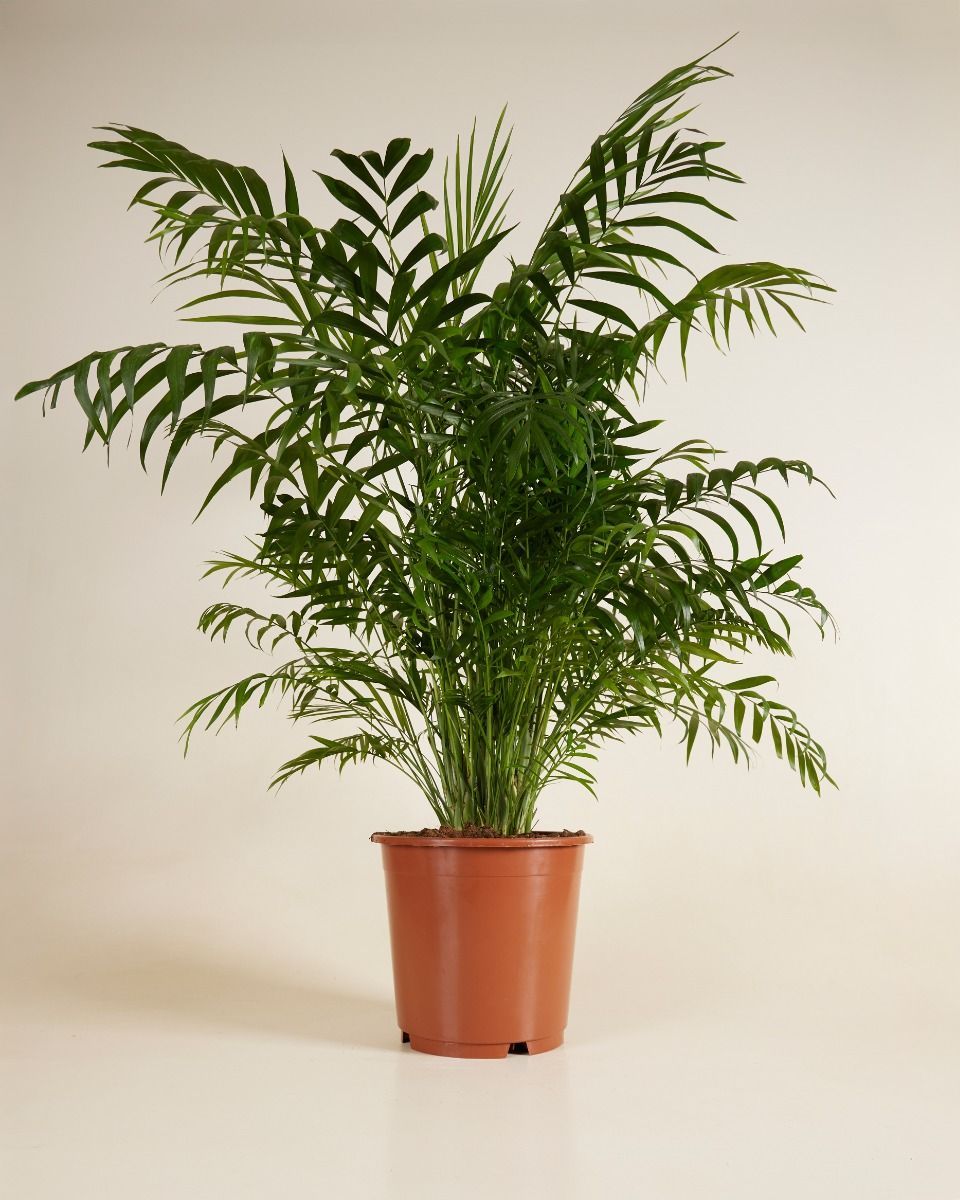
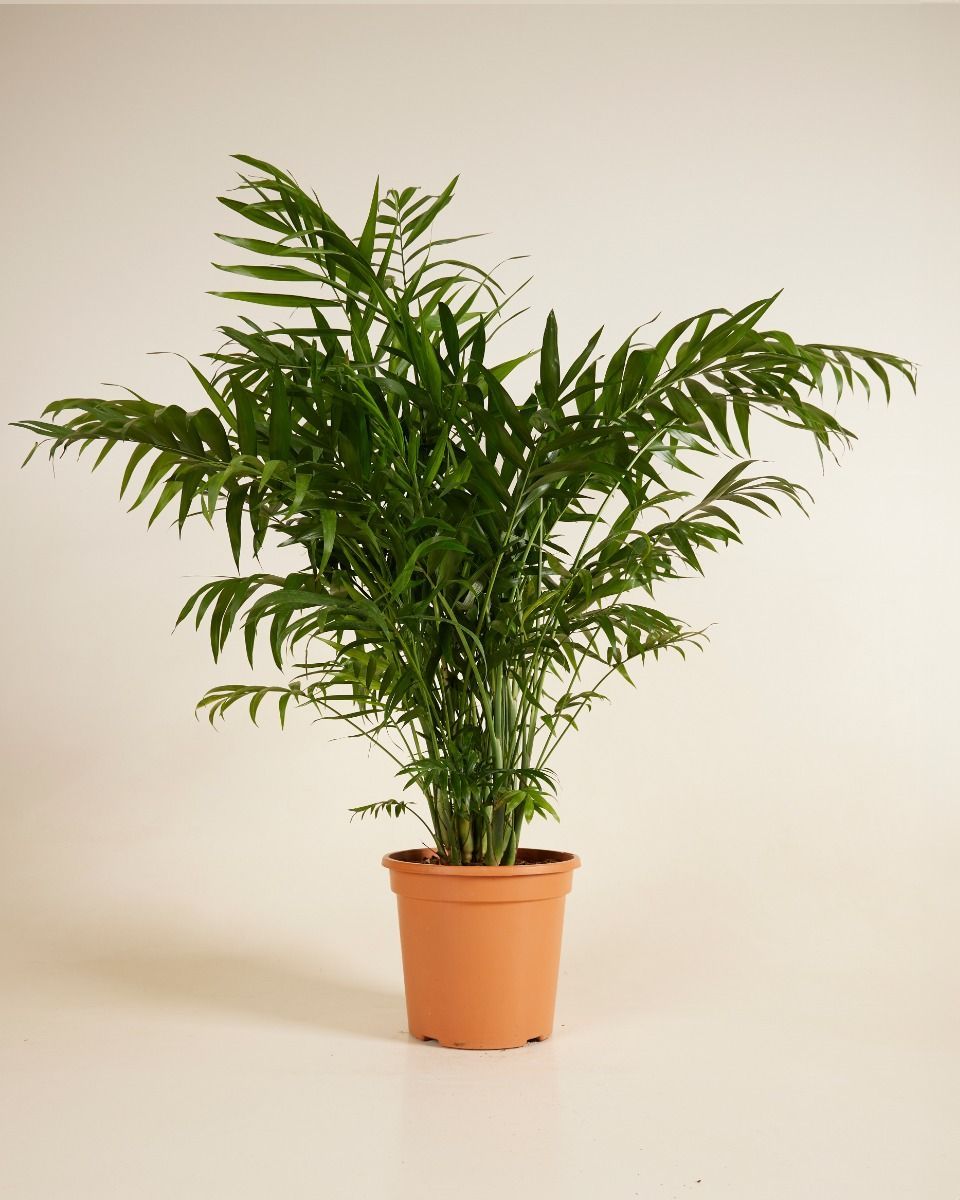
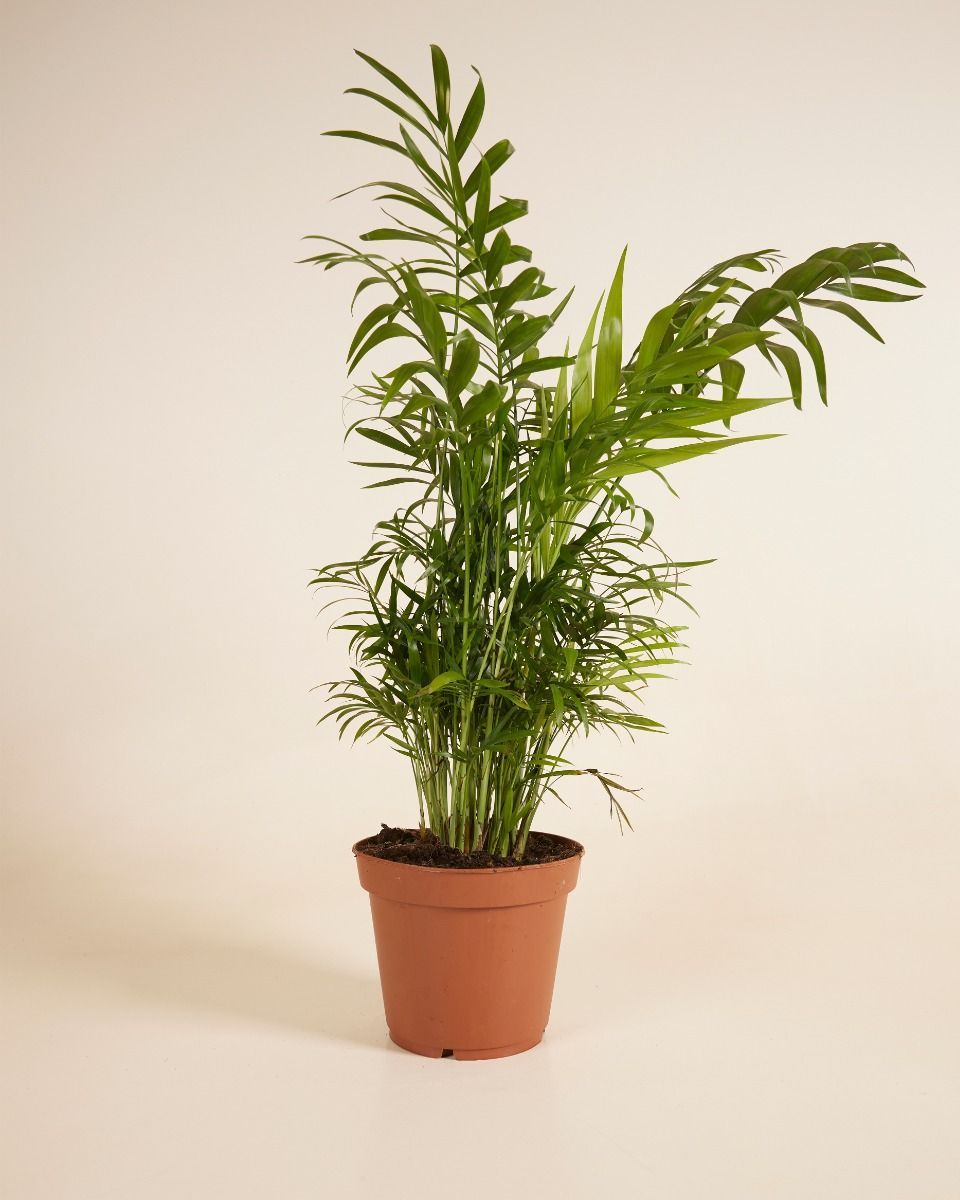
Chamaedorea elegans, also known as the Parlor Palm, is a popular houseplant loved for its elegant, feathery leaves and easy-care nature. This tropical palm originates from Central America and naturally grows in the shade of larger trees, which makes it well suited for indoor spaces with indirect light. Its compact growth and relaxed appearance make it a perfect plant for living rooms, bedrooms and offices.
Although Chamaedorea is very forgiving, a few simple care tips will help your plant grow healthy and lush.
Chamaedorea Care: 10 expert tips for growing it successfully
- Place your Chamaedorea in bright, indirect light for the best growth.
- Avoid direct sunlight, as it can burn the delicate leaves.
- Water the plant when the top layer of soil feels slightly dry.
- Make sure the pot has good drainage to prevent root rot.
- Chamaedorea enjoys slightly higher humidity but adapts well to normal indoor air.
- Keep temperatures stable between 18–24°C.
- Feed your plant once a month during spring and summer with houseplant fertiliser.
- Clean the leaves occasionally with a damp cloth to remove dust.
- Repot your Chamaedorea every 2–3 years or when the roots outgrow the pot.
- Check your plant regularly for pests so you can treat them quickly.
Chamaedorea care tips
Light requirements for Chamaedorea
Chamaedorea prefers bright, indirect light but can also tolerate partial shade. This makes it a great plant for rooms where direct sunlight is limited. Avoid placing it in strong direct sun, as this can cause the leaves to turn yellow or develop brown edges.
Watering
Chamaedorea prefers moderate watering. Water the plant when the top layer of soil feels dry to the touch. In most homes this means watering about once a week, but it may vary depending on the environment.
Expert tip! Slightly dry soil is better than overly wet soil. Overwatering can lead to root rot and yellow leaves.
Nutrition
During spring and summer, your Chamaedorea will benefit from occasional feeding. Give it a balanced houseplant fertiliser about once a month to support healthy growth. In autumn and winter, fertilising is usually not necessary.
Temperature & humidity
Chamaedorea grows best in temperatures between 18–24°C. It adapts well to normal indoor humidity but will appreciate slightly higher humidity levels. If the air is very dry, occasional misting can help keep the leaves healthy.
Soil & repotting
Use well-draining houseplant soil for your Chamaedorea. Repot the plant every 2–3 years or when the roots begin to fill the pot. The best time to repot is during spring or early summer, when the plant is actively growing.
Choose a pot that is slightly larger than the current one and make sure it has drainage holes.
Propagating Chamaedorea
Chamaedorea elegans is usually propagated by division. When repotting a mature plant, you can carefully separate smaller clusters from the mother plant.
Here’s how to do it:
- Gently remove the plant from its pot.
- Carefully loosen the soil around the roots.
- Separate the plant into smaller sections, ensuring each section has its own roots.
- Plant the divisions in fresh potting soil and water them lightly.
Keep the new plants in a warm spot with indirect light while they establish.
Most common pests on Chamaedorea
Chamaedorea can sometimes attract pests such as spider mites, mealybugs and scale insects. Regularly inspect the leaves, especially the undersides, to catch problems early.
Cleaning the leaves occasionally with water can help prevent pests and keep the foliage looking fresh.
Is Chamaedorea poisonous for your pets or children?
Good news! Chamaedorea elegans is considered non-toxic to cats and dogs. This makes it a safe choice for homes with pets or small children, although it’s always best to discourage them from chewing on houseplants.
Buy your new Chamaedorea online at PLNTS.com
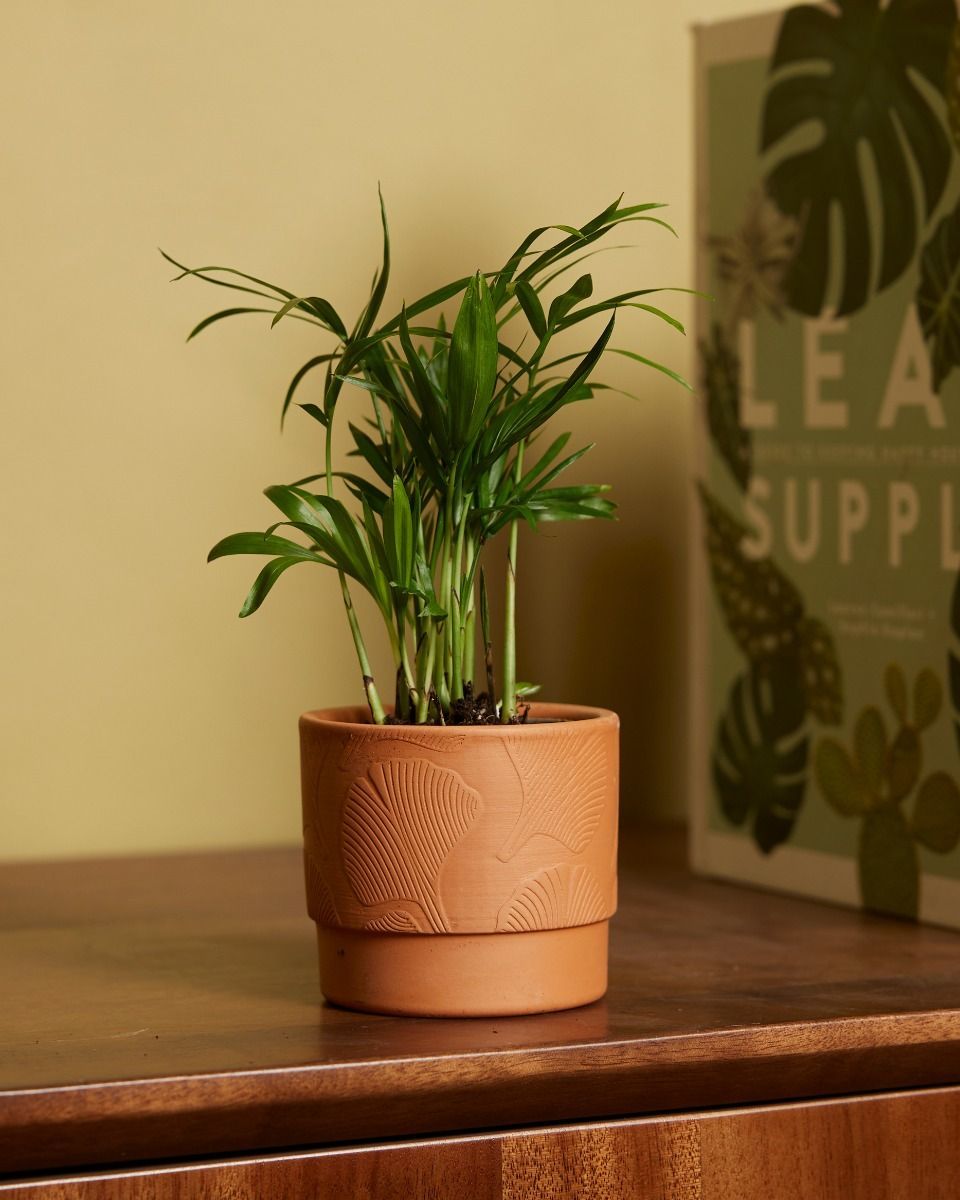
Looking for a beautiful and easy-care palm? At PLNTS.com you can buy Chamaedorea elegans online in multiple sizes. Whether you want a small green accent for your desk or a larger plant to brighten up your living room, your new Parlor Palm is ready to grow in your indoor jungle.