Plant of the month
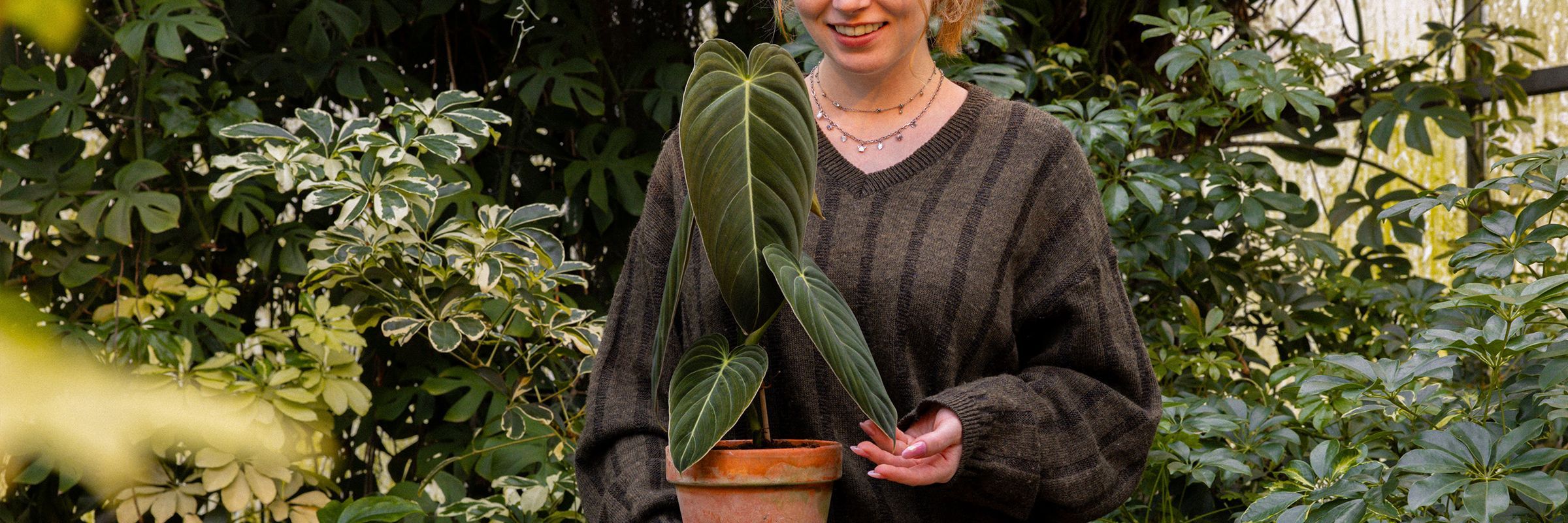
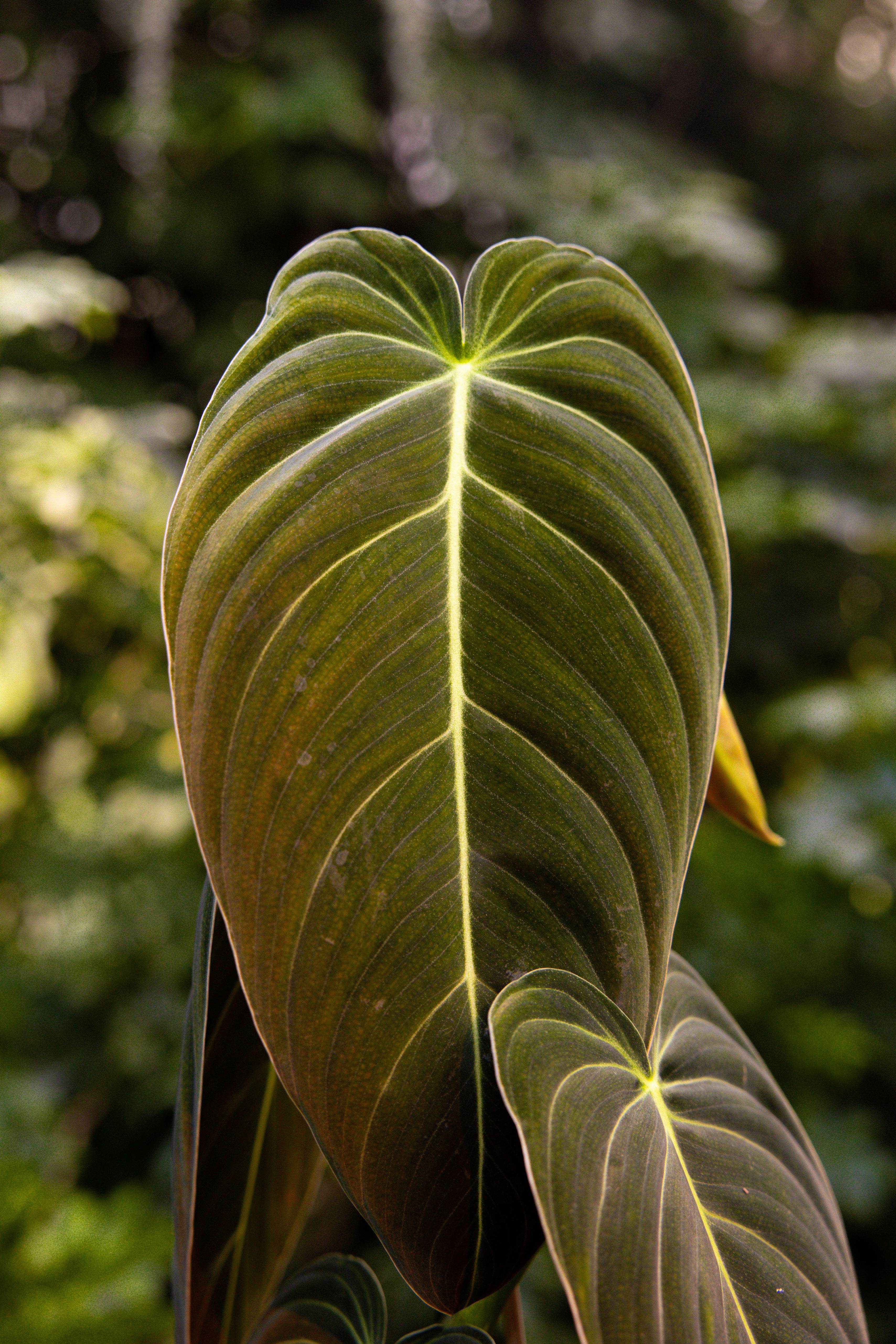
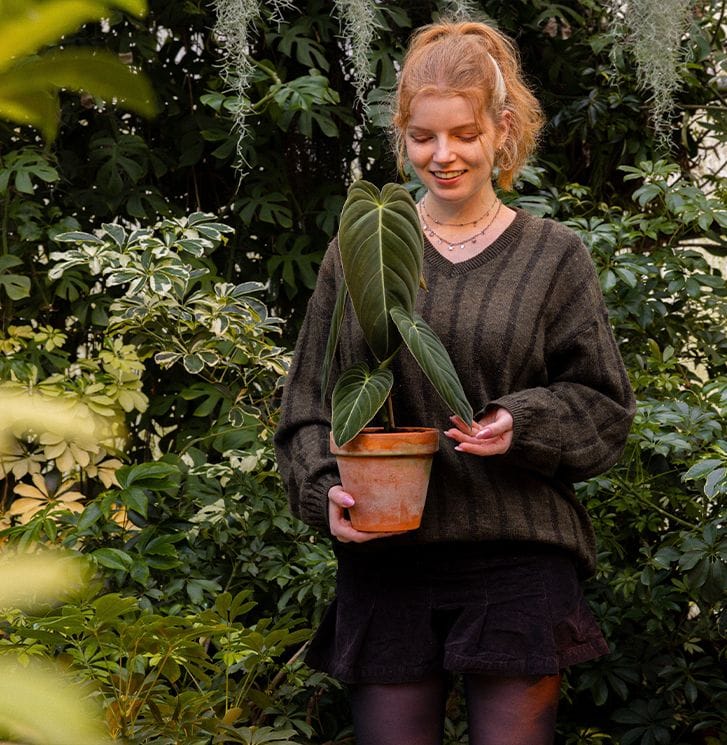
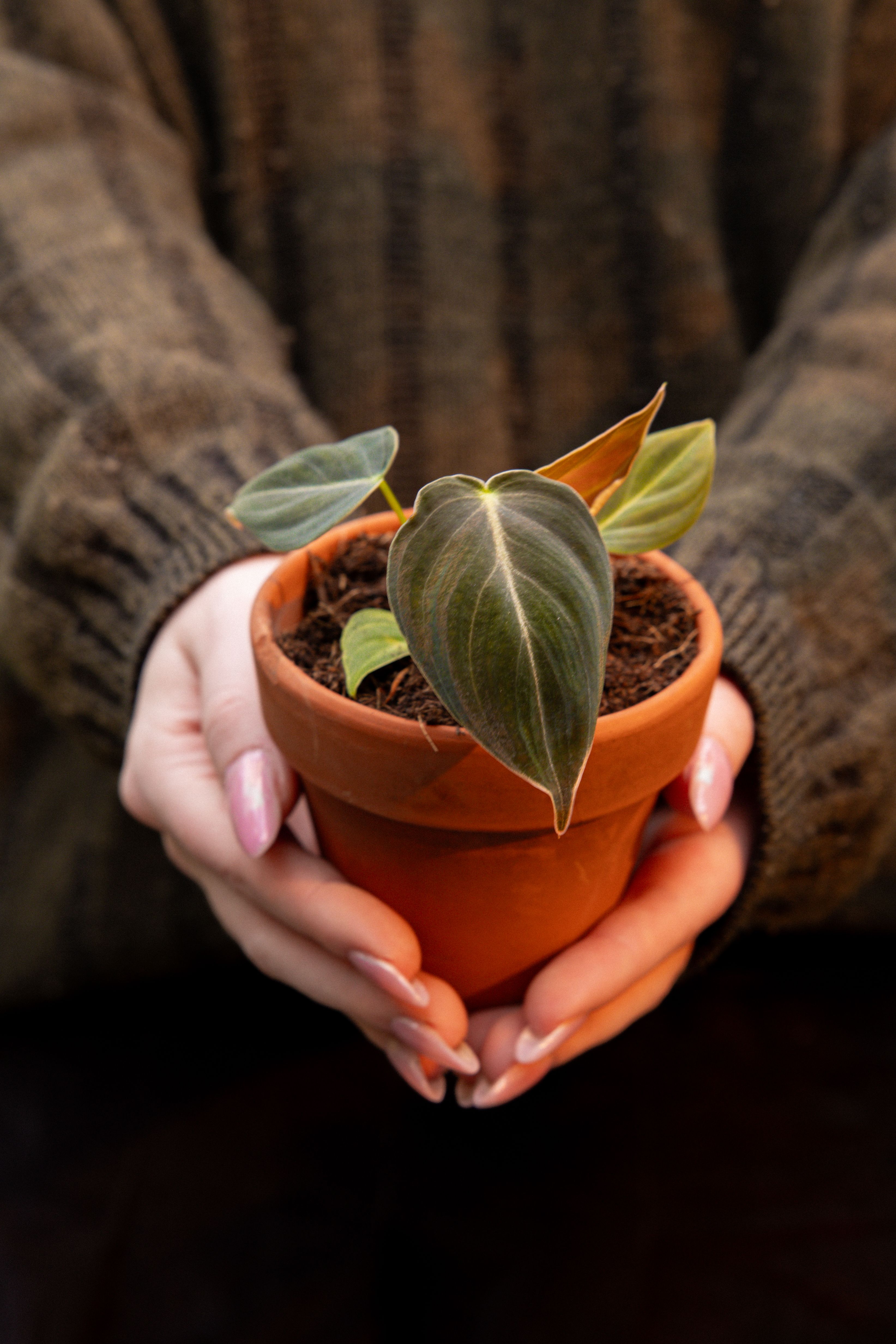
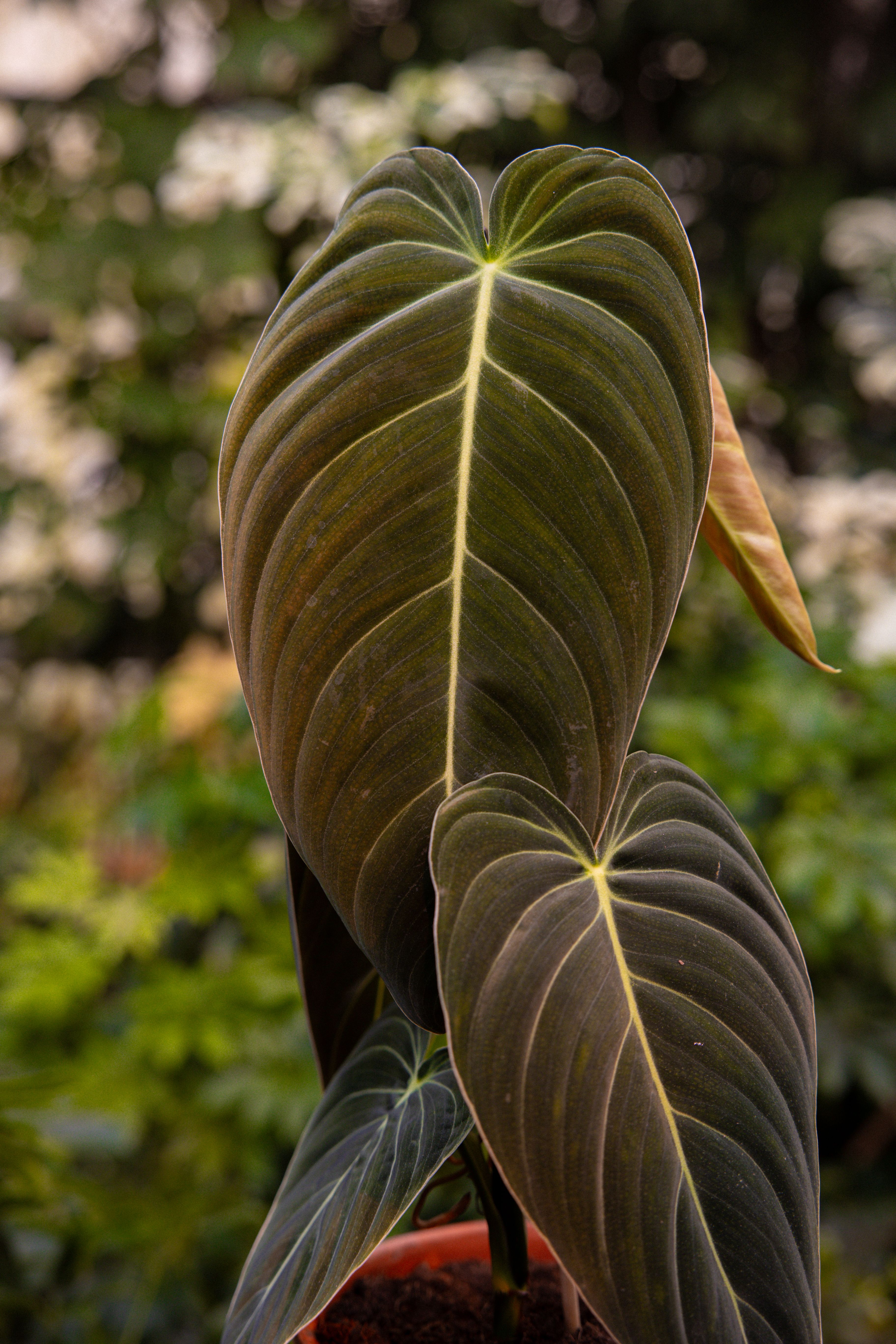
Say hello to our Plant of the Month for January: the mesmerizing Philodendron Melanochrysum! With her long, velvety, deep-green leaves and striking golden veins, she looks like she’s wearing a luxury velvet dress. It’s the perfect statement piece for a fresh new year. As she matures, her leaves can grow impressively long, turning any corner of your home into a mini jungle catwalk.
Fun fact! She’s part of the “love tree” family. Philodendron comes from the Greek words philo (love) and dendron (tree), so she’s literally part of the love tree clan. The perfect plant to fall head over heels for.
Philodendron Melanochrysum
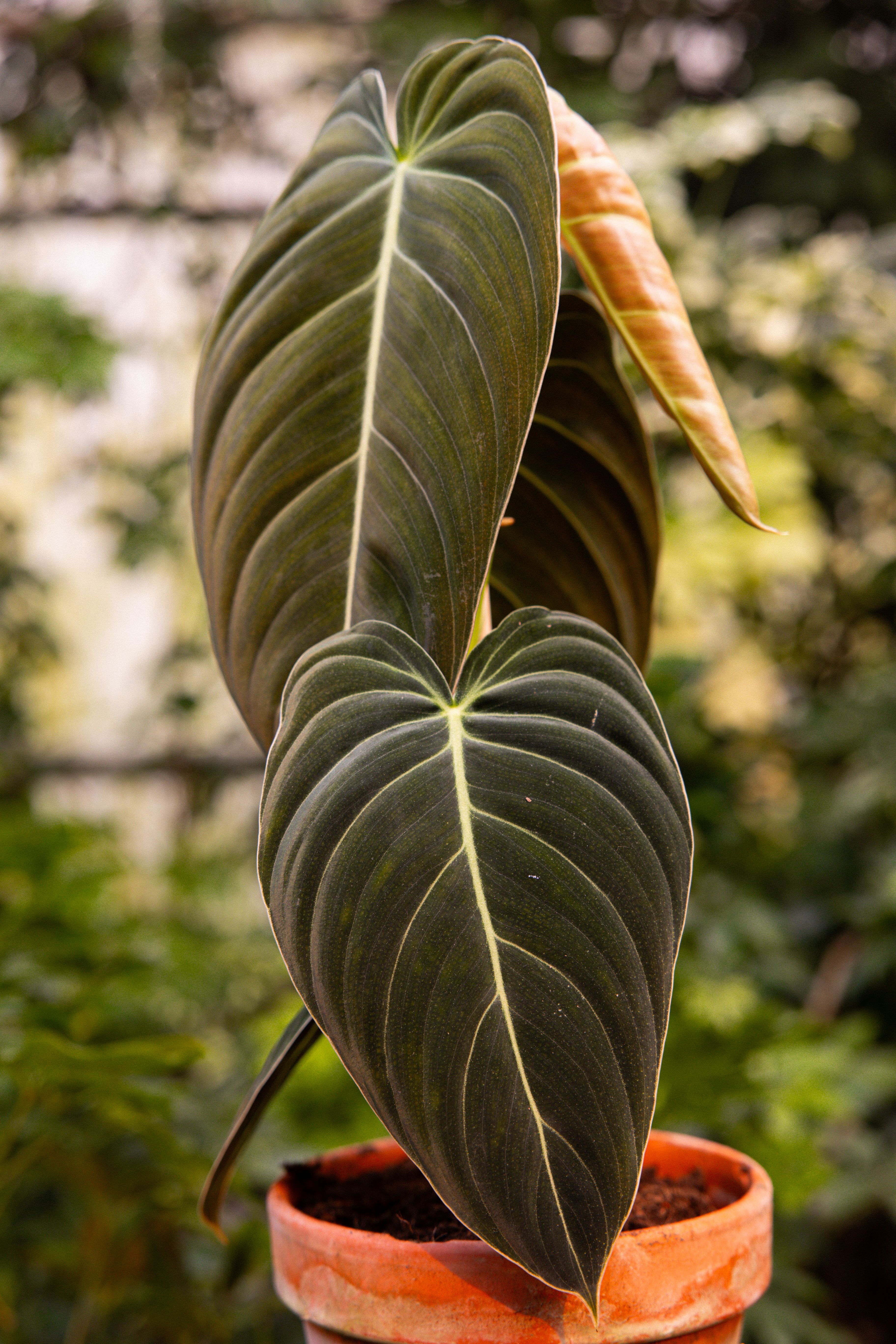
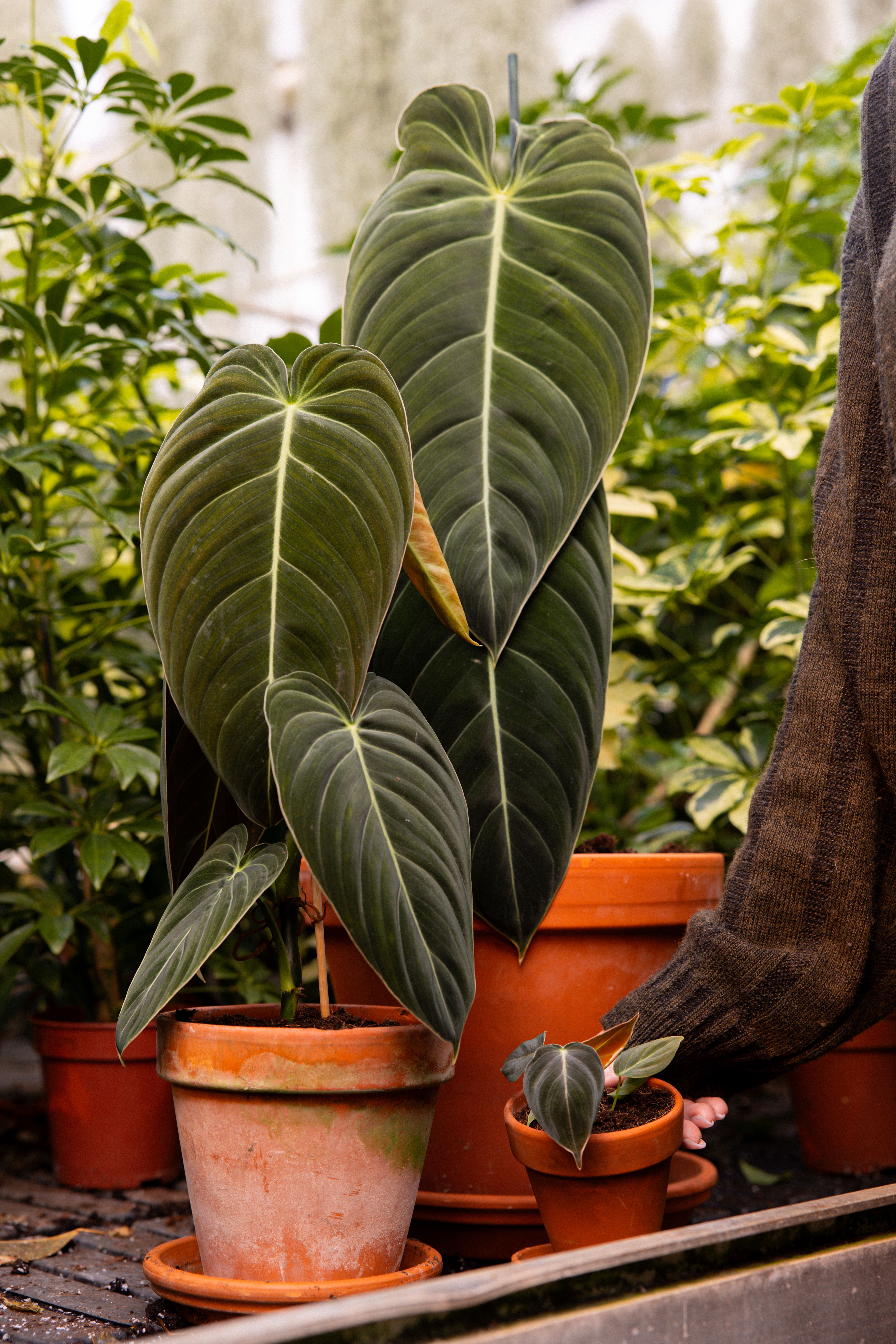
Originally from the tropical forests of Colombia and Ecuador, this beauty grows as a climbing plant, wrapping her aerial roots around tree trunks in search of more light. Even though she’s considered a collector’s plant, her care is quite straightforward once you understand her basic needs.
Fun fact! Her name means “black gold”. She’s often called the Black Gold Philodendron because of her dark, velvety leaves with shimmering golden veins. Melano = black, chrysum = gold.
Care guide
Caring for the Philodendron Melanochrysum may feel like looking after a rare treasure, but she’s surprisingly easy-going once you understand what makes her thrive.
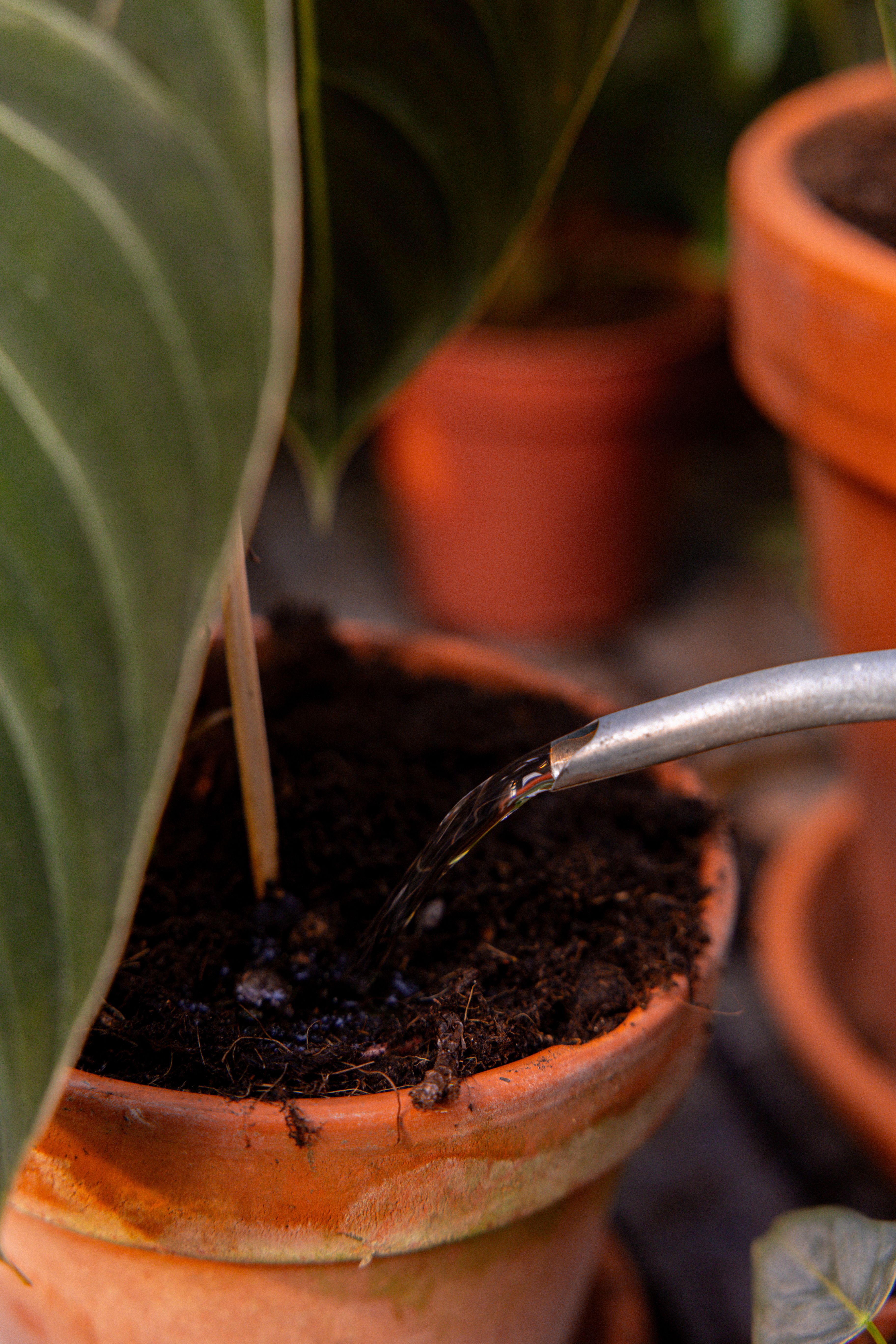
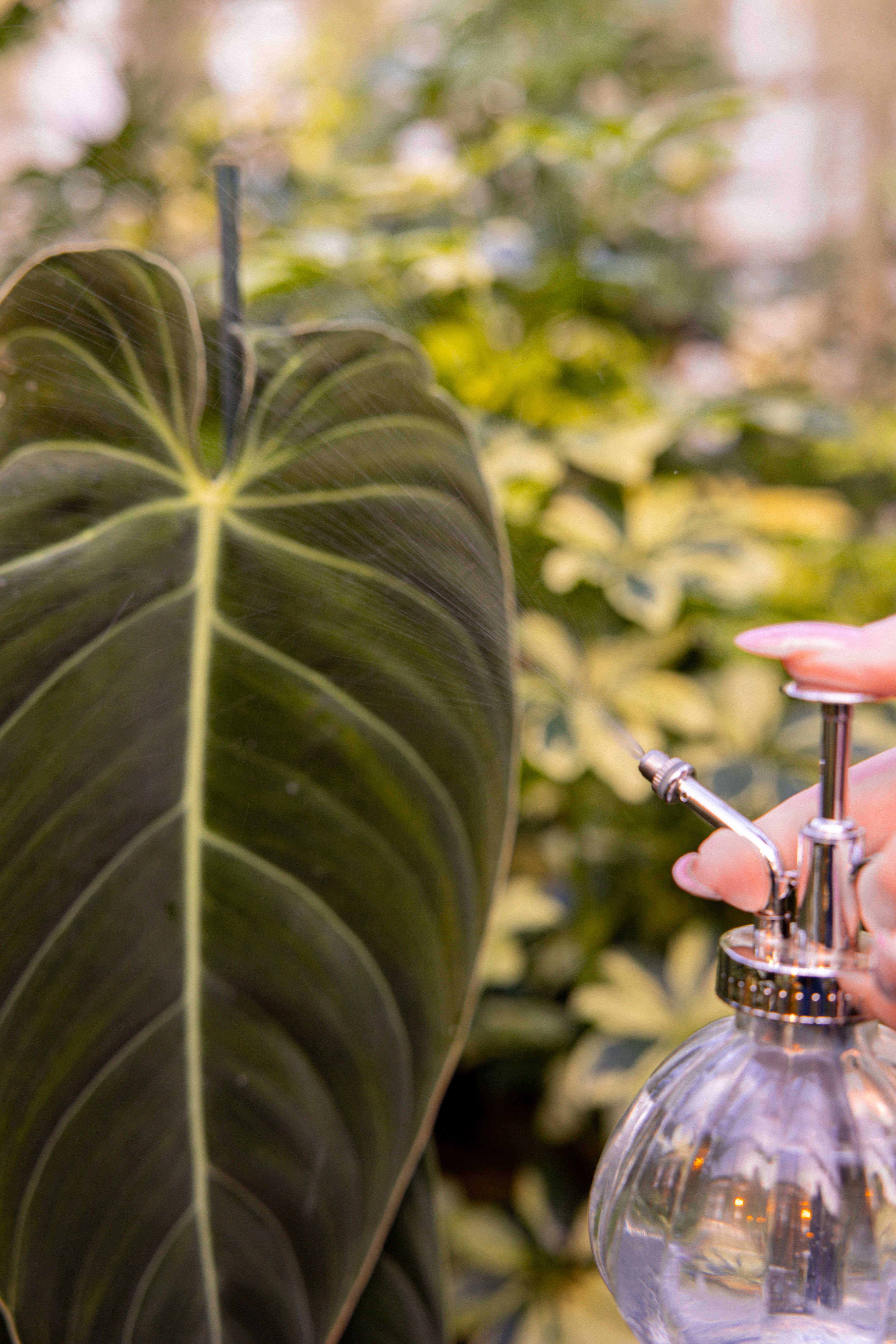
Watering
The Philodendron Melanochrysum enjoys soil that stays lightly moist but never soggy. Allow the top few centimetres of soil to dry before watering again, and always let excess water drain away completely. During winter, when her growth naturally slows, she’ll be content with a little less frequent watering. If you notice yellowing or drooping leaves, she may be telling you that her watering routine needs a small adjustment.
Light
This velvety beauty thrives in bright, indirect light, where the sun warms the room without directly touching her leaves. Too much direct sunlight can scorch or fade her deep colours, while too little light can cause her to stretch and grow more slowly. A spot a few metres from a window or behind a sheer curtain is perfect for keeping her happy and glowing.
Fun fact! In the wild, she uses her aerial roots to cling to trees and climb towards dappled light. You can mimic this at home with a moss pole or coir stick – it helps her feel “at home” and encourages those big, show-stopping leaves.
Soil
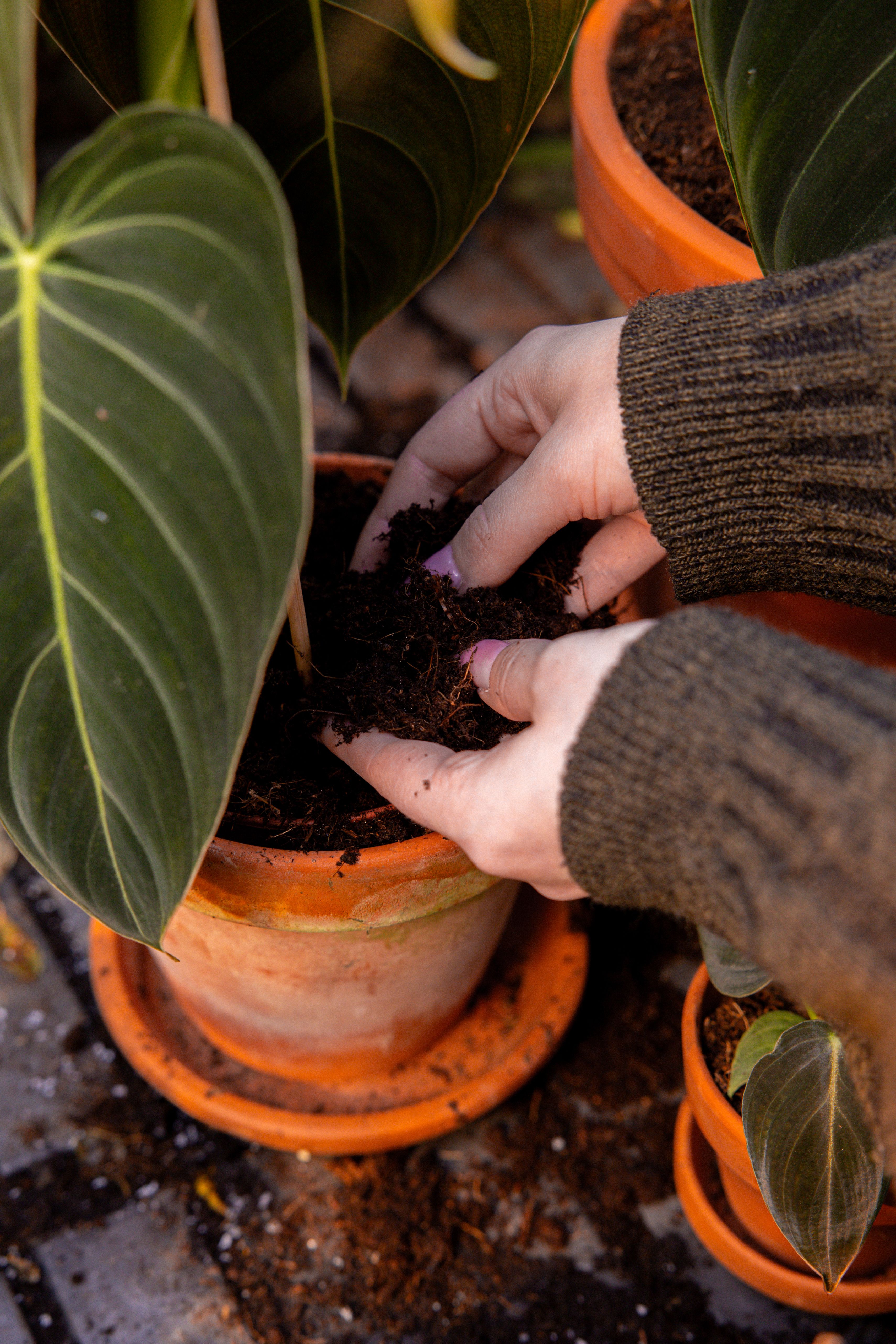
Because she’s an aroid with sensitive roots, the Melanochrysum prefers an airy, well-draining soil mix that provides moisture without becoming compact. A blend of potting soil, perlite and orchid bark or coco coir will give her just the right balance of structure and breathability. This kind of mix mimics the loose forest material she naturally grows in.
Temperature & Humidity
Coming from tropical rainforests, she loves warm and humid conditions. Temperatures between 18 and 27°C are ideal, and humidity above 50% helps her produce those lush, velvety leaves. Keep her away from cold drafts, open windows in winter and hot radiators that dry out the air. A pebble tray, humidifier or greenhouse cabinet can help recreate her natural environment.
Fun fact! Like many Philodendrons, she helps clean the air by absorbing some unwanted particles and releasing fresh oxygen. Beauty and function in one plant.
Propagating
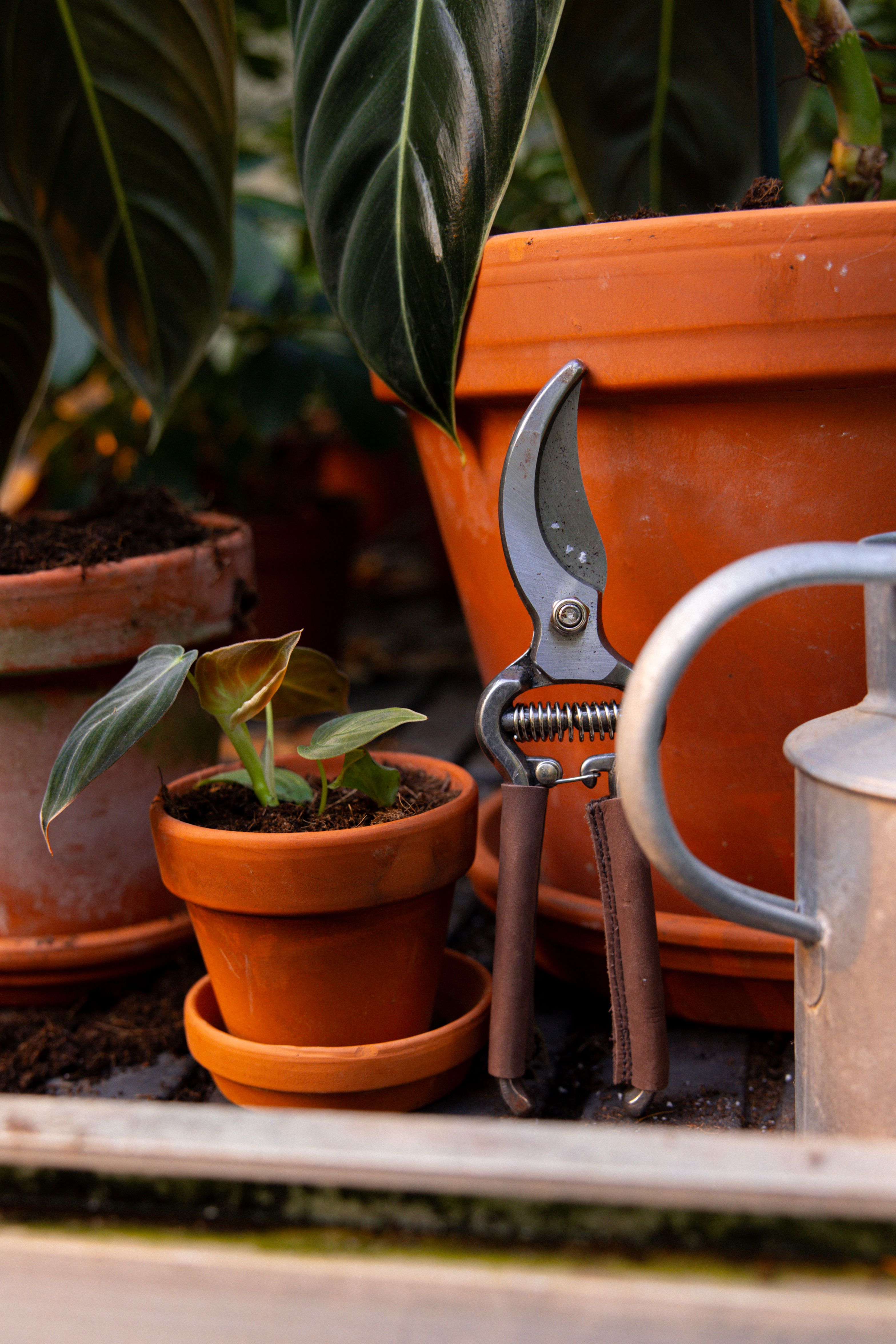
Propagating your Philodendron Melanochrysum is a wonderful way to share her beauty with friends or grow your own little family of “black gold” plants. With just a healthy stem, a clean cut and a bit of patience, you can watch new roots form and a fresh Melano baby come to life! Follow our easy step-by-step guide.
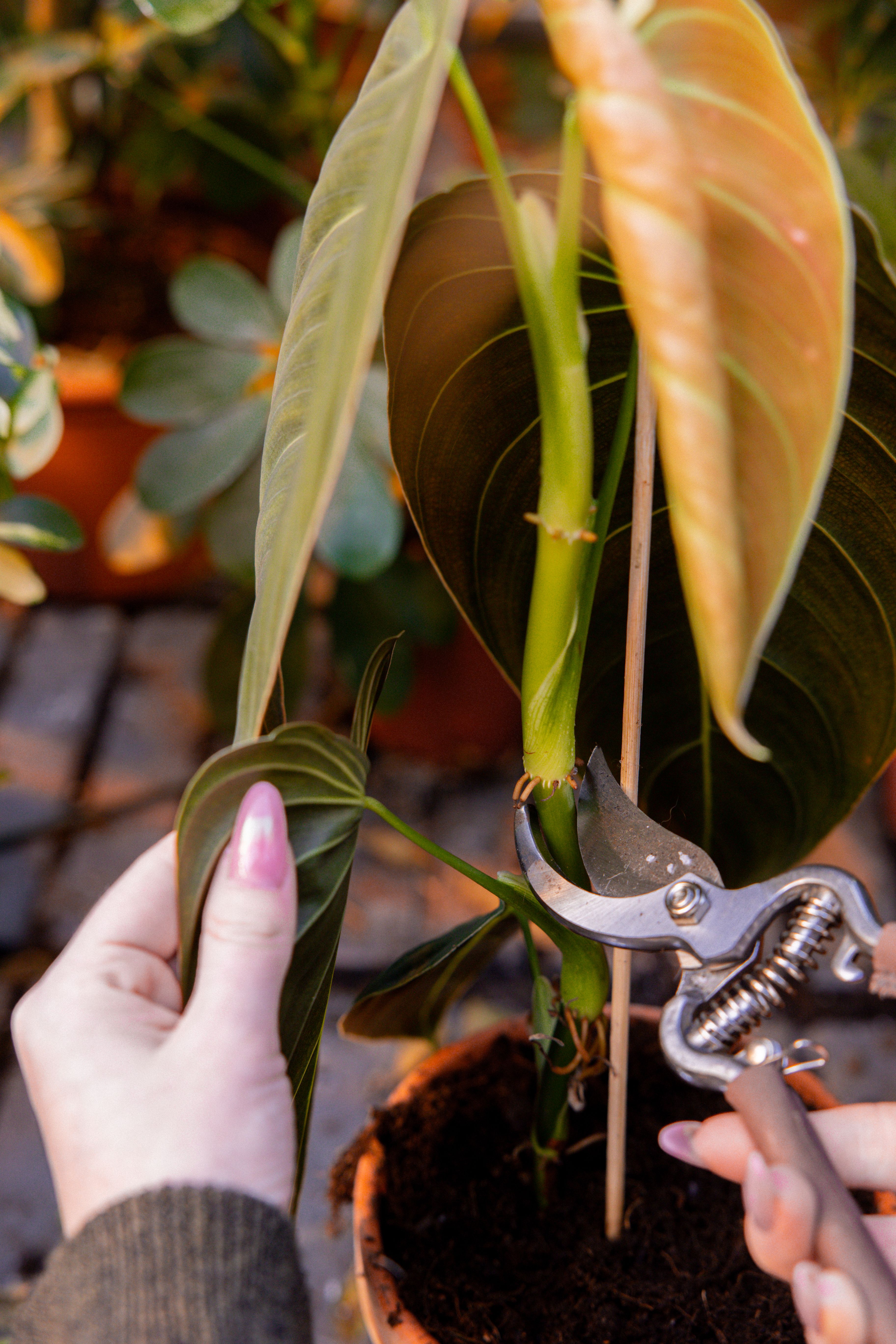
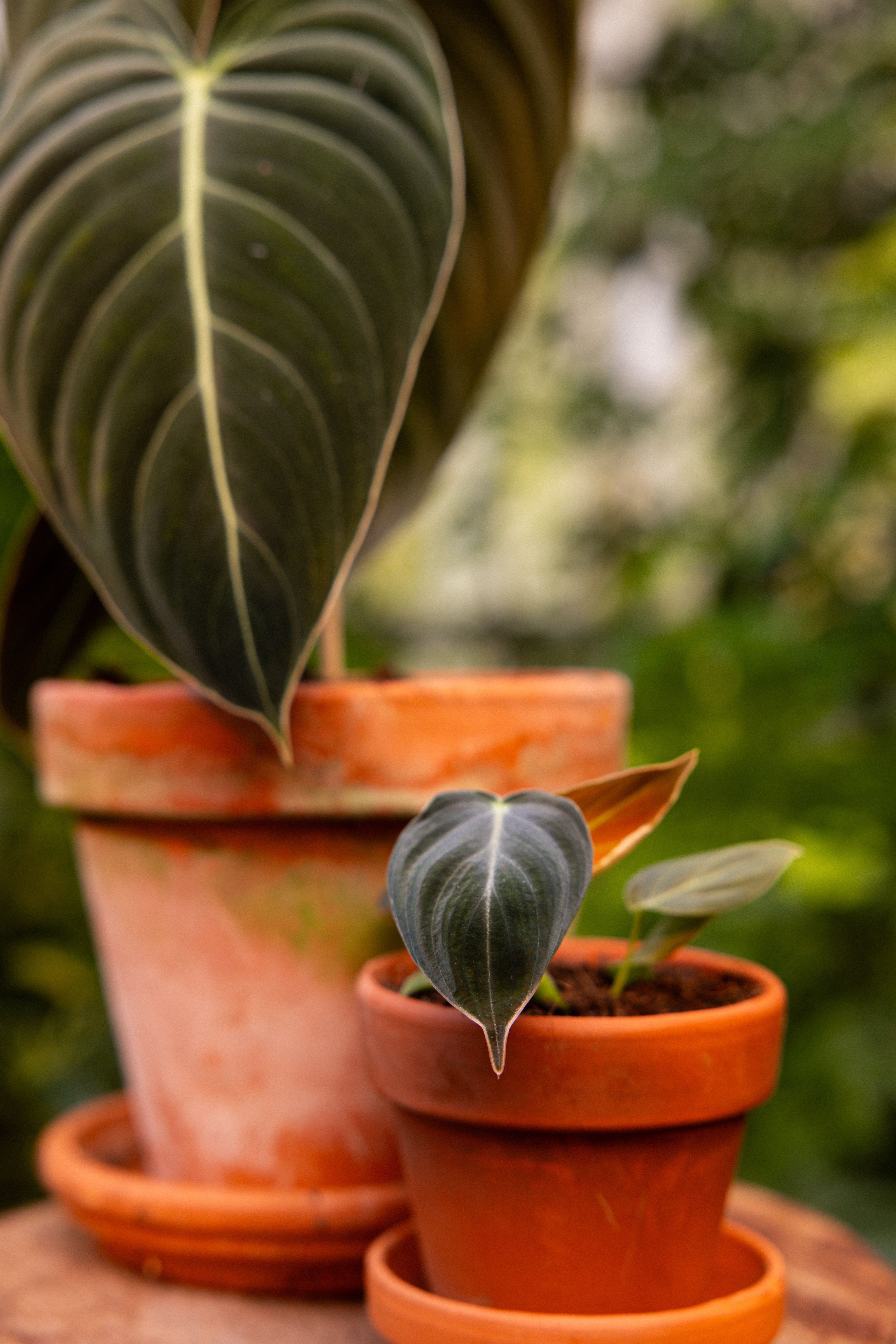
Step 1 – Choose your cutting
Pick a healthy stem with at least one or two nodes and one or two leaves. Make a clean cut just below a node with a sharp, sterilised tool.
Step 2 – Rooting in water or moss
Place the cutting in water, making sure at least one node is submerged, but the leaves stay above water, or Nestle the cutting into moist sphagnum moss. Keep it in a bright spot with indirect light. Change the water or moisten the moss regularly.
Step 3 – Potting up
Once the roots are a few centimetres long, plant your cutting in an airy aroid mix. Press the soil gently around the roots and give it a light watering. Keep humidity high and light soft until you see new growth. Then you officially have a new Melano baby
Buy Melanochrysum
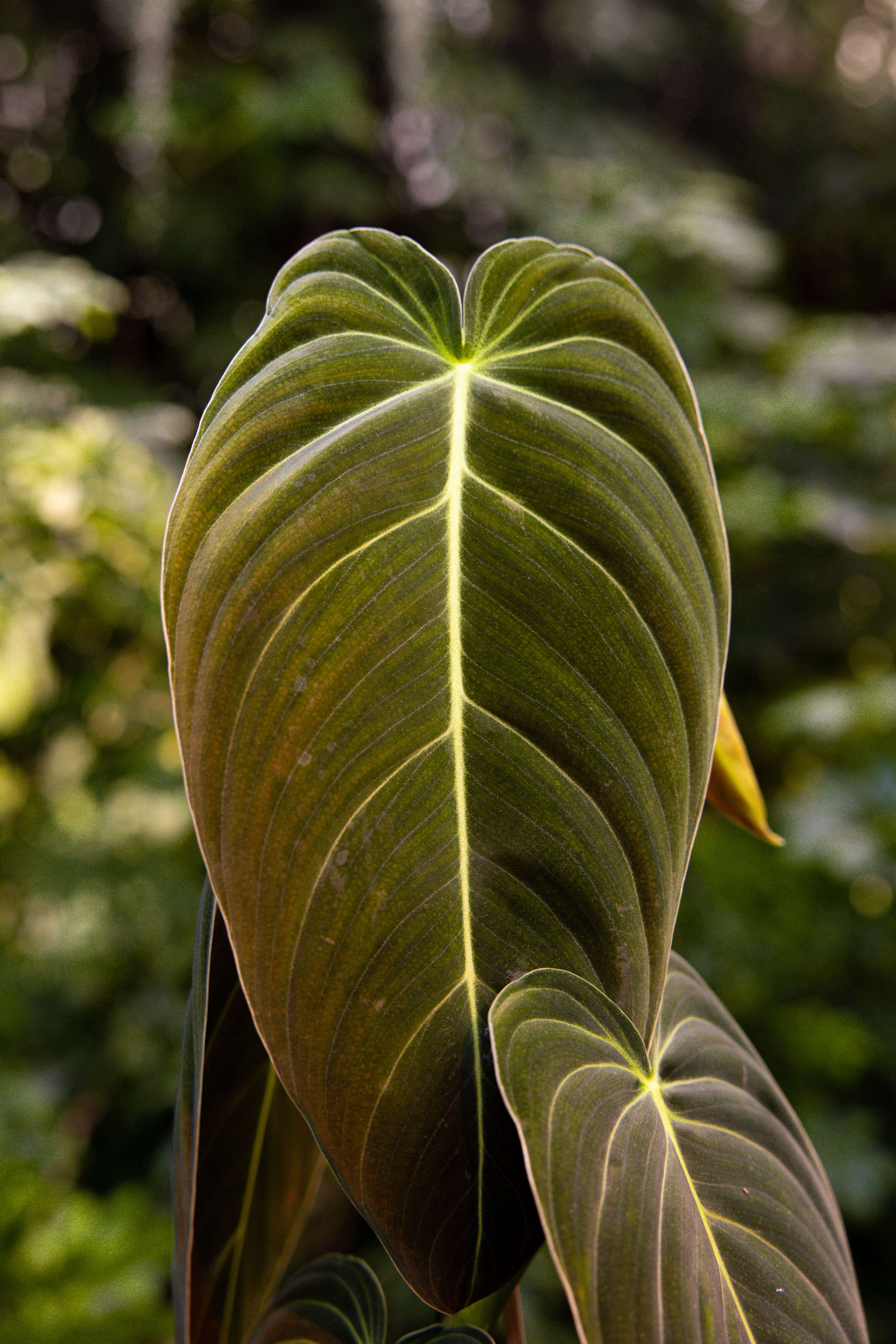
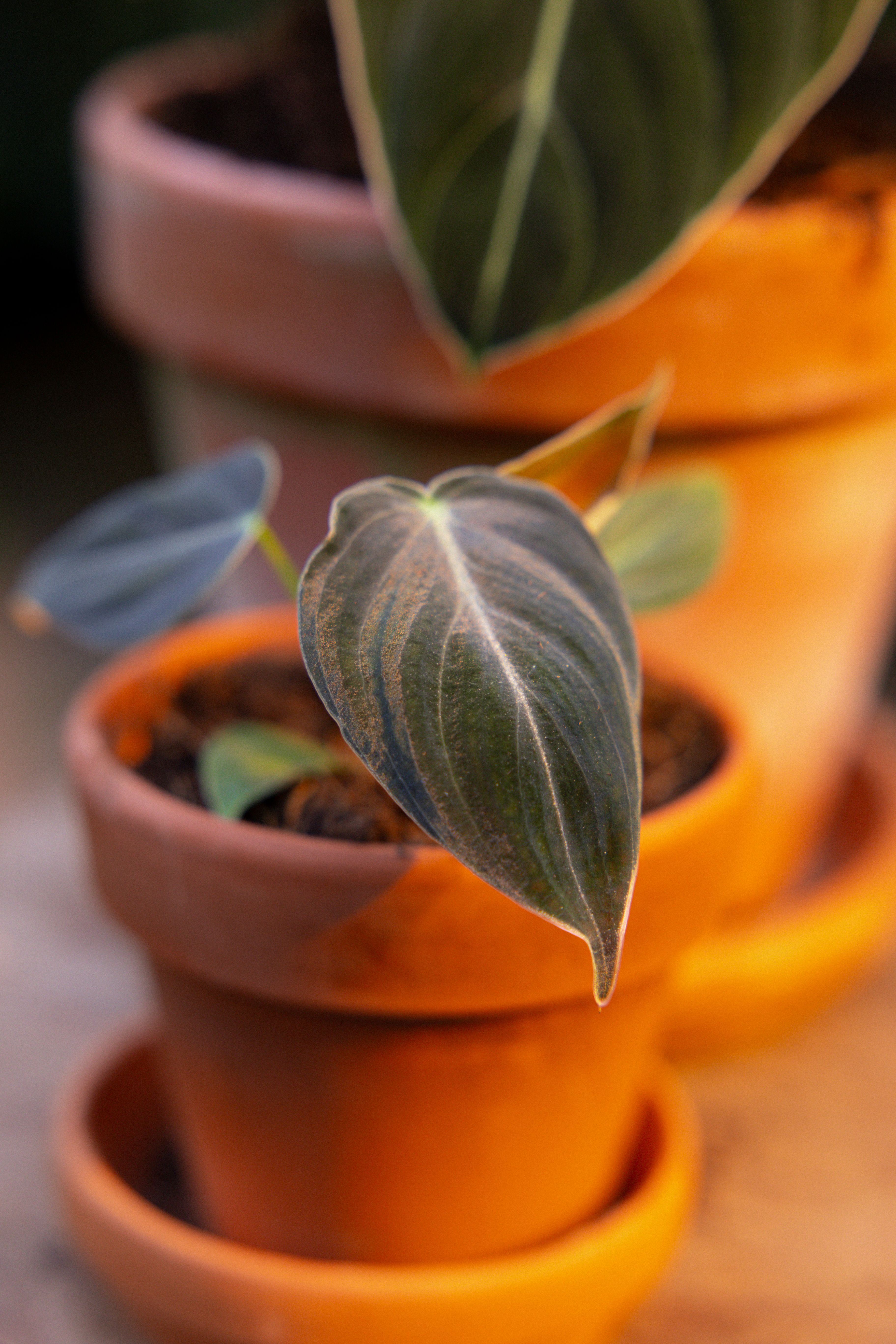
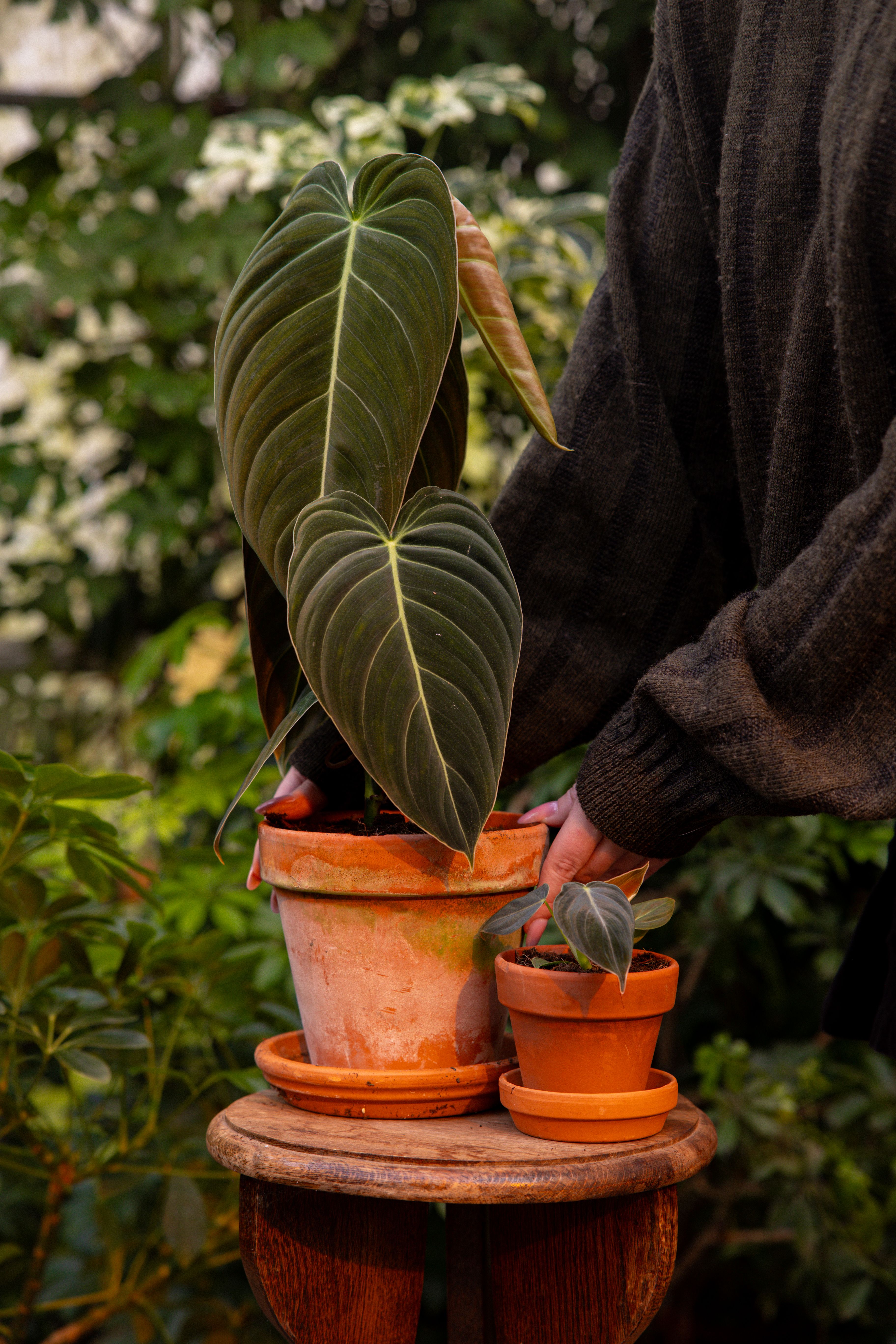
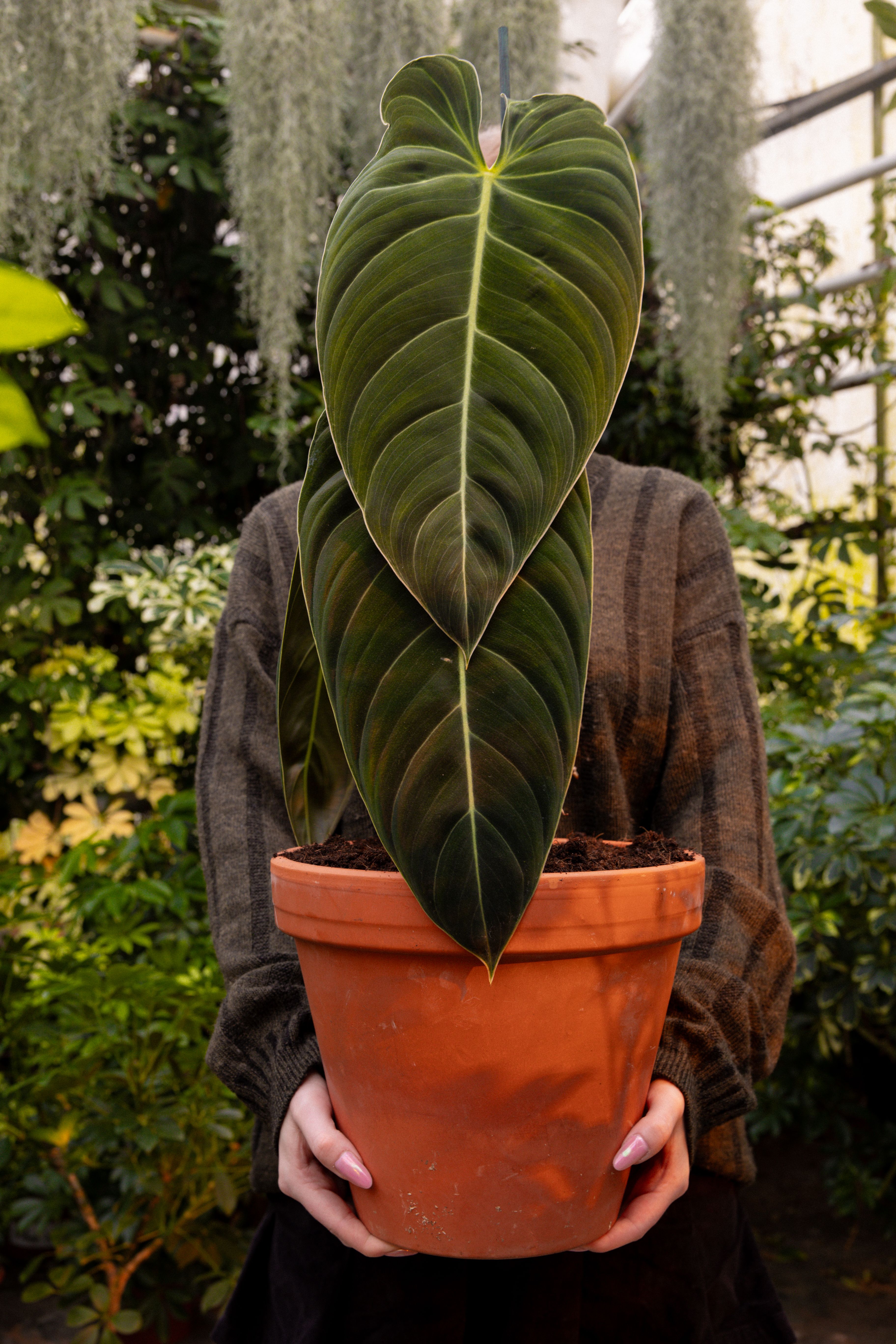
Looking for a plant that brings pure luxury to your jungle? The Philodendron Melanochrysum is your perfect match. With her velvety “black gold” leaves and elegant climbing habit, she turns any space into a lush, tropical retreat, especially magical during the cozy winter months.
This January, she’s available at a special price as our Plant of the Month. Bring home this rare beauty, give her something to climb, and watch her grow into the sparkling star of your plant collection.
Is Philodendron Melanochrysum air purifying?
Yes, like many Philodendrons she can help improve indoor air quality by filtering some pollutants out of the air.
Is she safe for pets?
Sadly, no. Philodendron Melanochrysum is toxic if ingested by pets or humans, so keep her out of reach of curious paws and tiny hands.
Why are the leaf tips turning brown or crispy?
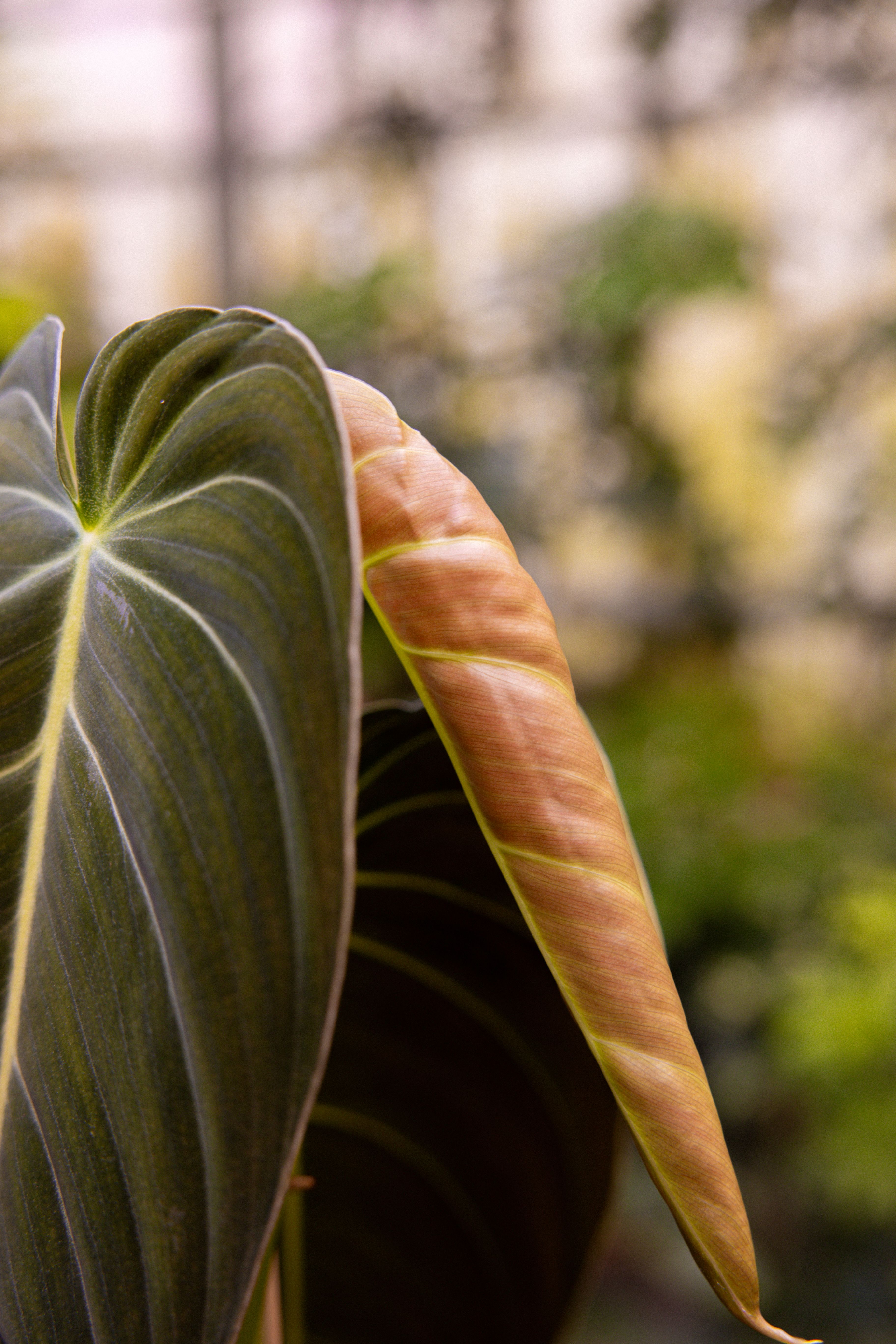
That usually points to low humidity, inconsistent watering or too much direct sun. Try increasing humidity, checking your watering routine and moving her a little further away from the window.
Why are the leaves turning yellow?
Yellow leaves are often a sign of overwatering or soggy soil, but can also indicate underwatering or nutrient issues. Check the soil first: if it’s very wet, let it dry out more between waterings and make sure the pot has good drainage.
When should I repot my Philodendron Melanochrysum?
Repot every one to two years, or when roots start growing out of the drainage holes or circling the pot. Choose a pot that’s just one size bigger and refresh the soil with a chunky aroid mix. Spring is the best time to do this.