Plant of the month
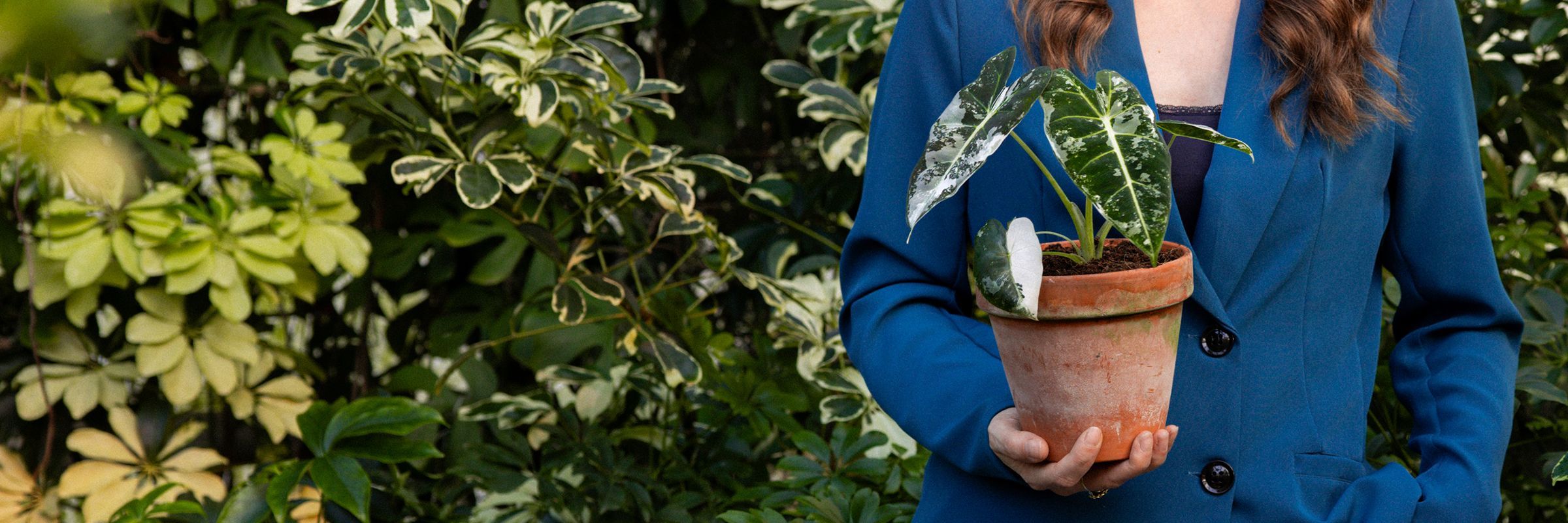
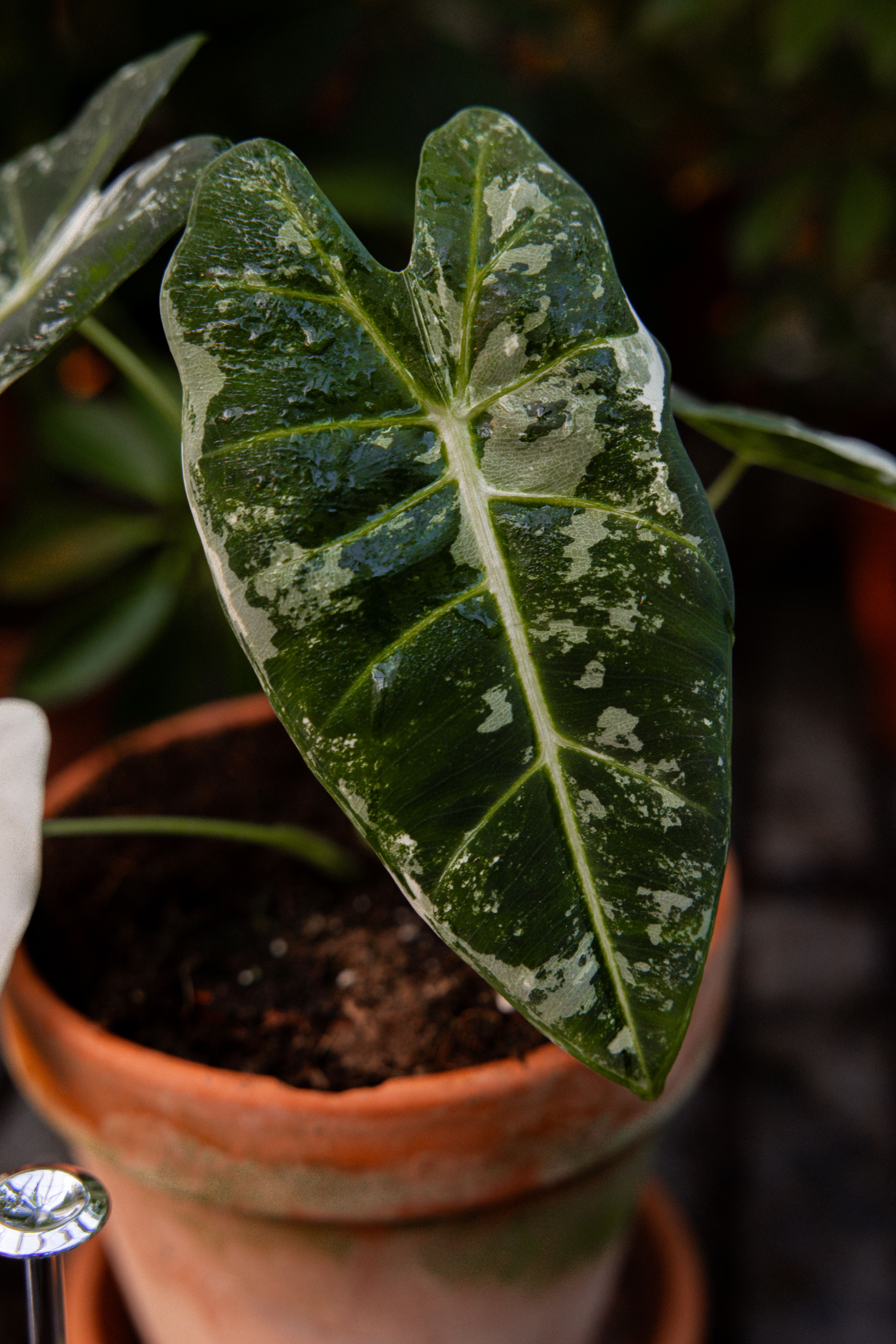
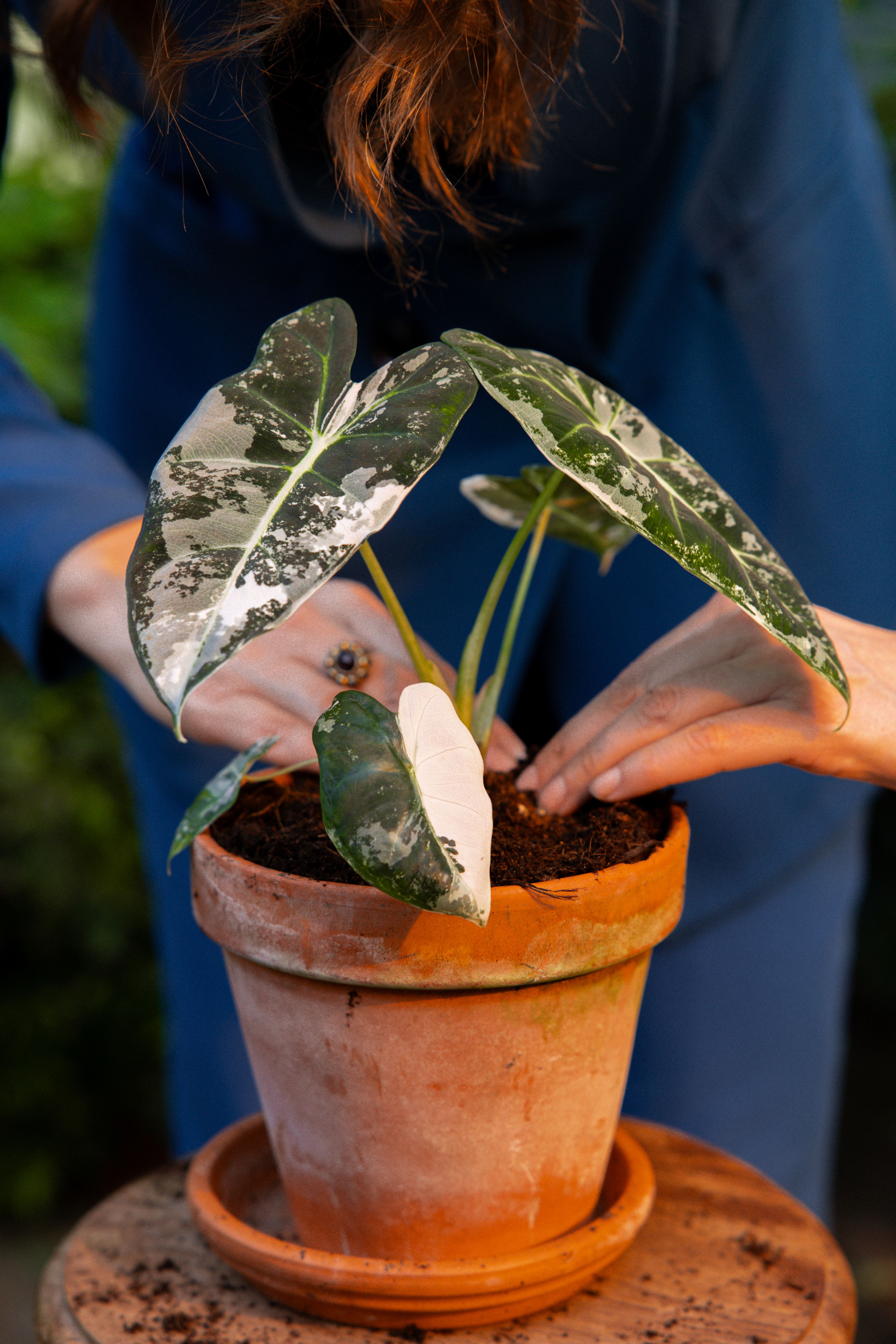
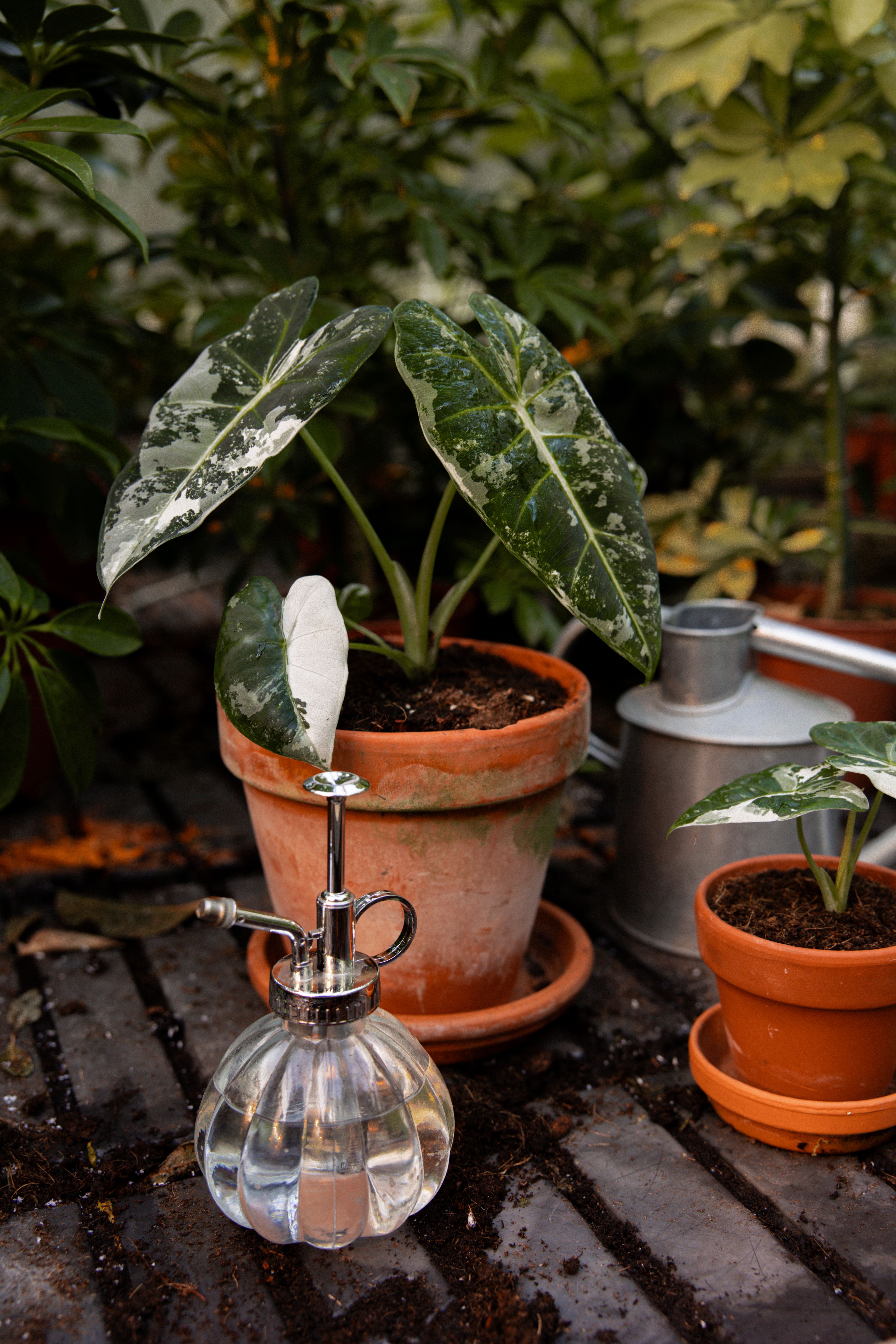
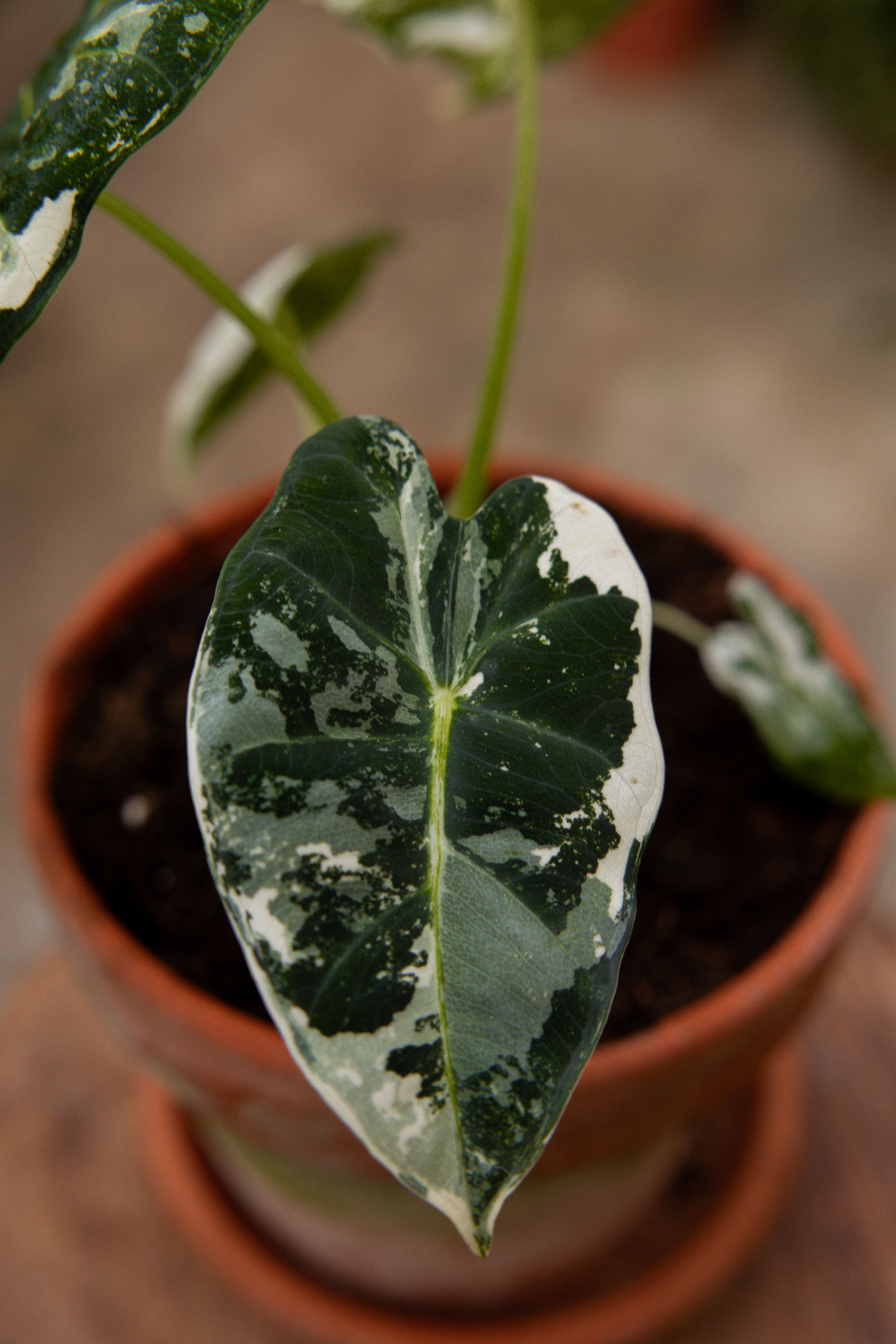
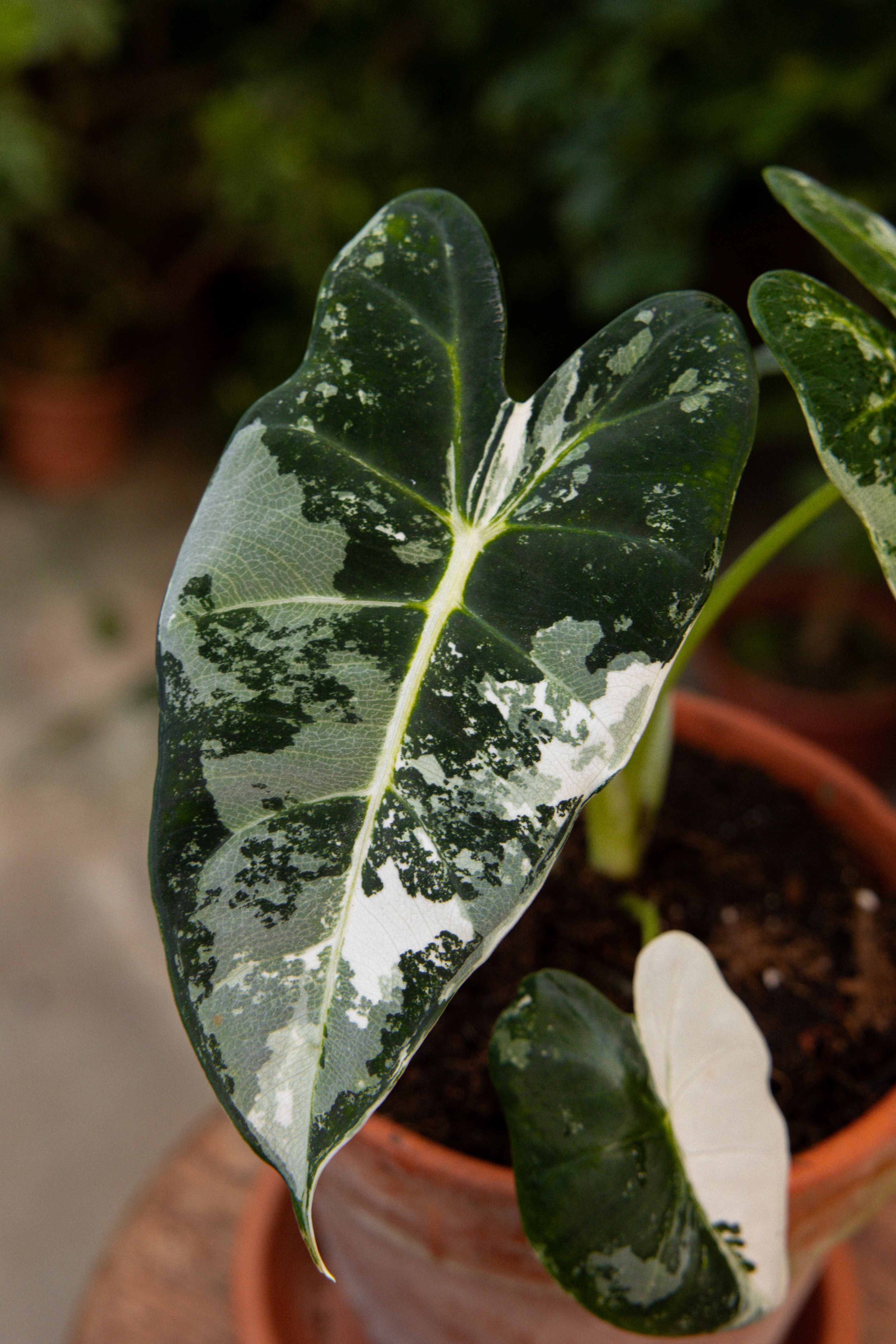
Introducing February’s plant of the month: the striking Alocasia Frydek Variegata. With her velvety, deep-green leaves splashed with creamy white variegation, she looks as though she’s been painted by hand. Each leaf is unique: a living piece of art that brings elegance, drama and a touch of magic to your home. Whether she shows off bold white blocks or delicate marbled patterns, she’s guaranteed to steal the spotlight.
Fun fact! The Alocasia family is beloved not only for its beauty but also for its air-purifying abilities. NASA found that certain aroids help remove pollutants from the air, and wouldn’t the Frydek Variegata be the most stylish air-cleaning companion you could wish for?
Alocasia Frydek Variegata
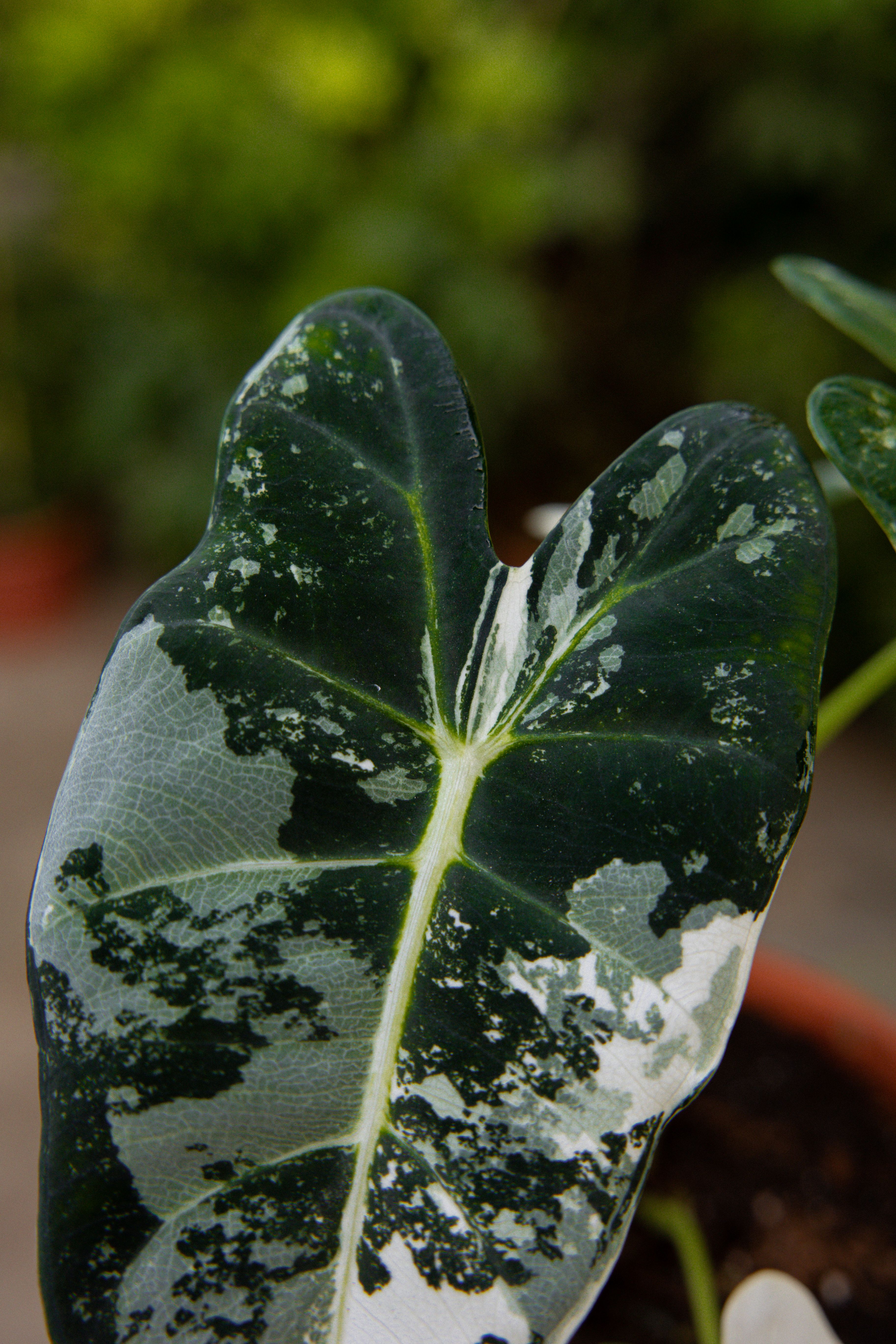
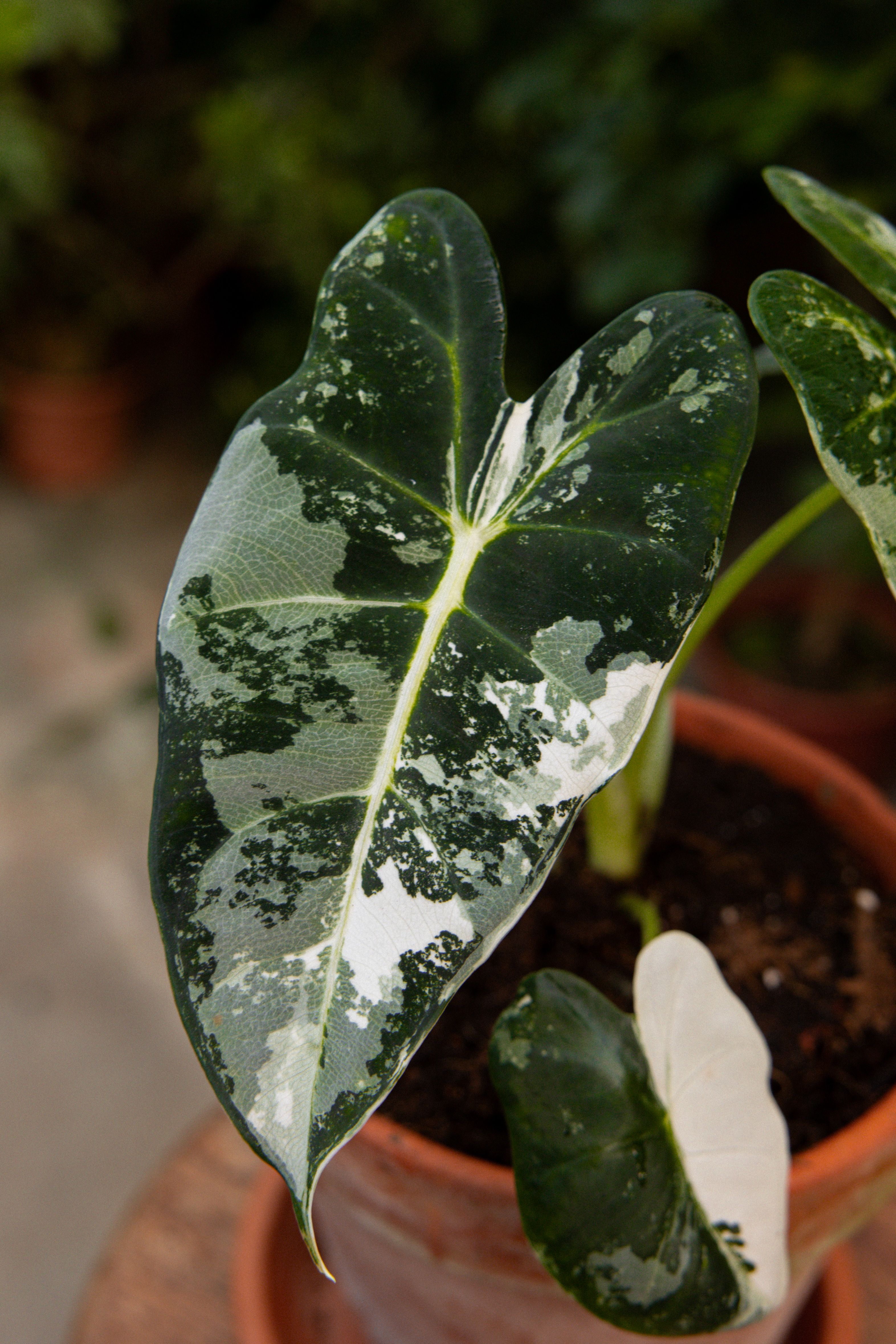
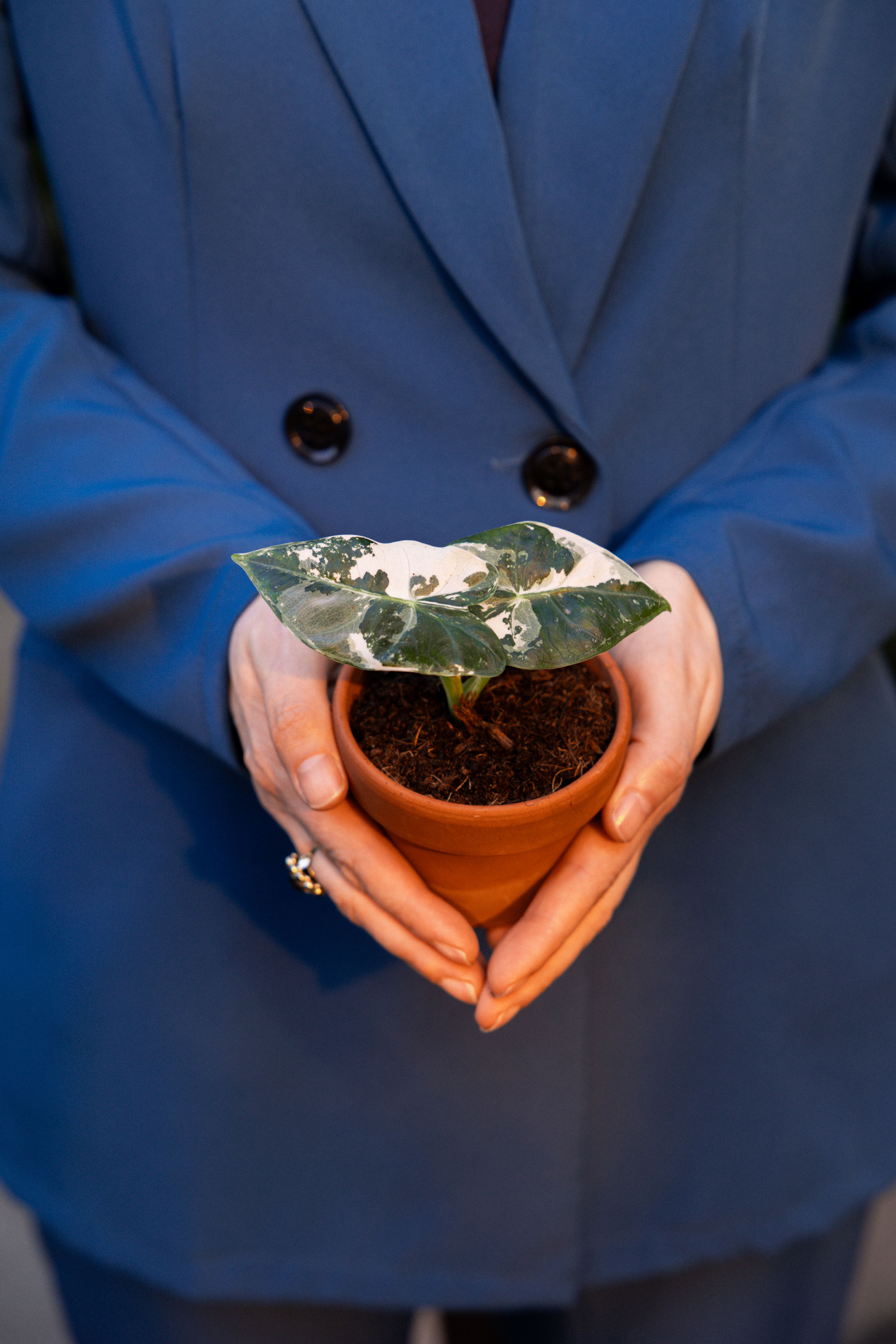
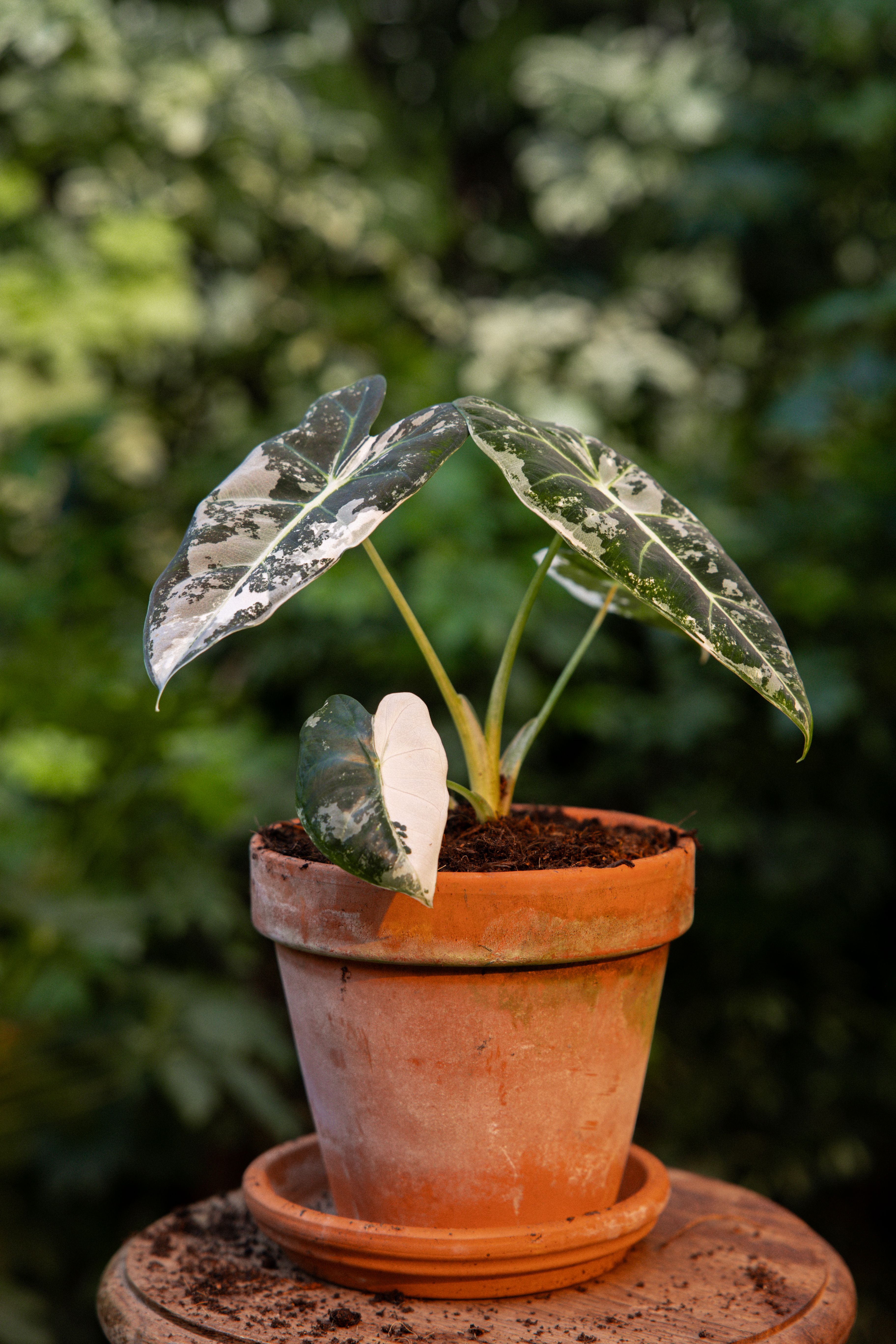
Originally discovered in the Philippines and later introduced to cultivation in 1912, the classic Alocasia micholitziana ‘Frydek’ is already a plant with history, and its variegated form is an even more sought-after treasure. As a proud aroid, she grows from thick roots and corms that store energy, allowing her to push out those striking new leaves when conditions are right.
Fun fact! Her full name, Alocasia micholitziana ‘Frydek Variegata’, honours both the botanist who discovered her and the collector who brought her into cultivation. A plant with pedigree!
Care guide
This plant may seem delicate, but with the right care, the Alocasia Frydek Variegata is surprisingly easy to keep happy. She’s particular about her needs, but once you understand her preferences, she rewards you with breathtaking foliage. Here’s how to help her flourish.
Watering
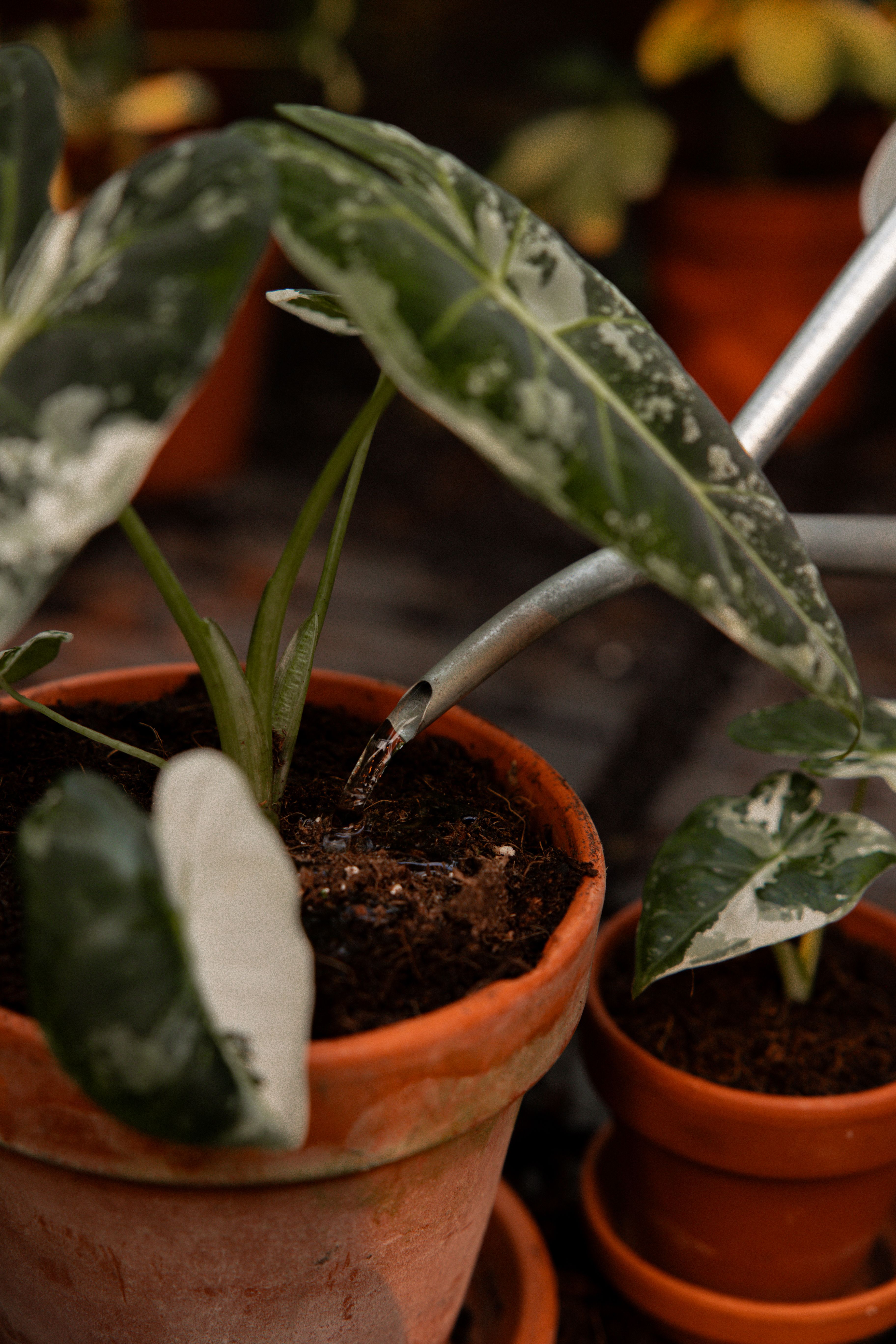
The Frydek Variegata loves soil that stays lightly and consistently moist, but never soggy. Let the top layer of soil dry slightly between waterings, and always allow excess water to drain away. Overwatering causes root rot quickly, while underwatering leads to droopy or yellowing leaves.
Tip: If you see leaves wilting or crisping at the edges, she may be craving more humidity or more consistent moisture.
Light
Variegated leaves need more light to maintain their creamy patches, but harsh sun can scorch them, especially because Frydek foliage is velvety and sensitive. She thrives best in bright, indirect light, ideally near an east-facing window or a few metres back from a sunny one. Too little light may cause reduced variegation or smaller leaves.
Fun fact! Each new Frydek Variegata leaf can surprise you, more light often encourages brighter variegation.
Soil
As an aroid, she prefers a chunky, airy, well-draining mix that holds some moisture but never compacts. A perfect blend includes potting soil, bark, perlite, coco fibre and a little activated charcoal to mirror the loose forest floor where her relatives grow. This ensures her roots get the airflow they need while staying comfortably moist.
Temperature & Humidity
Coming from tropical environments, she loves warmth and high humidity. The ideal temperature range is between 18 and 29°C, and she thrives most when the humidity stays above 60%, preferably closer to 70–80%. Keep her away from cold drafts, open windows in winter and drying radiators, as these can stress her delicate leaves. If you want to give her an extra boost, a greenhouse cabinet, pebble tray, or humidifier can help recreate the cosy, humid conditions she enjoys most.
Fun fact! Like many Alocasias, she may occasionally drop older leaves to redirect energy toward new growth: a normal quirk, not a sign of distress.
Propagating
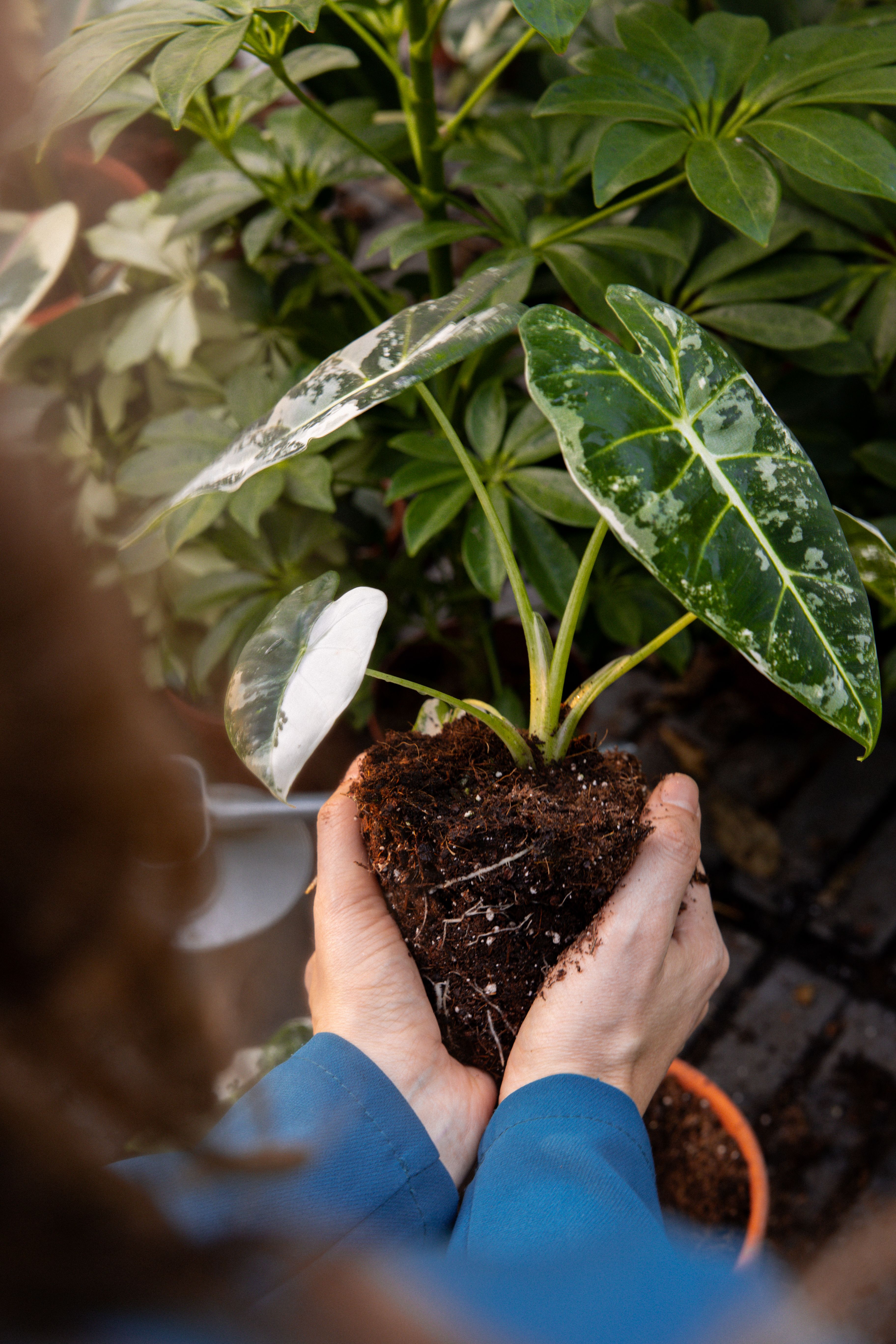
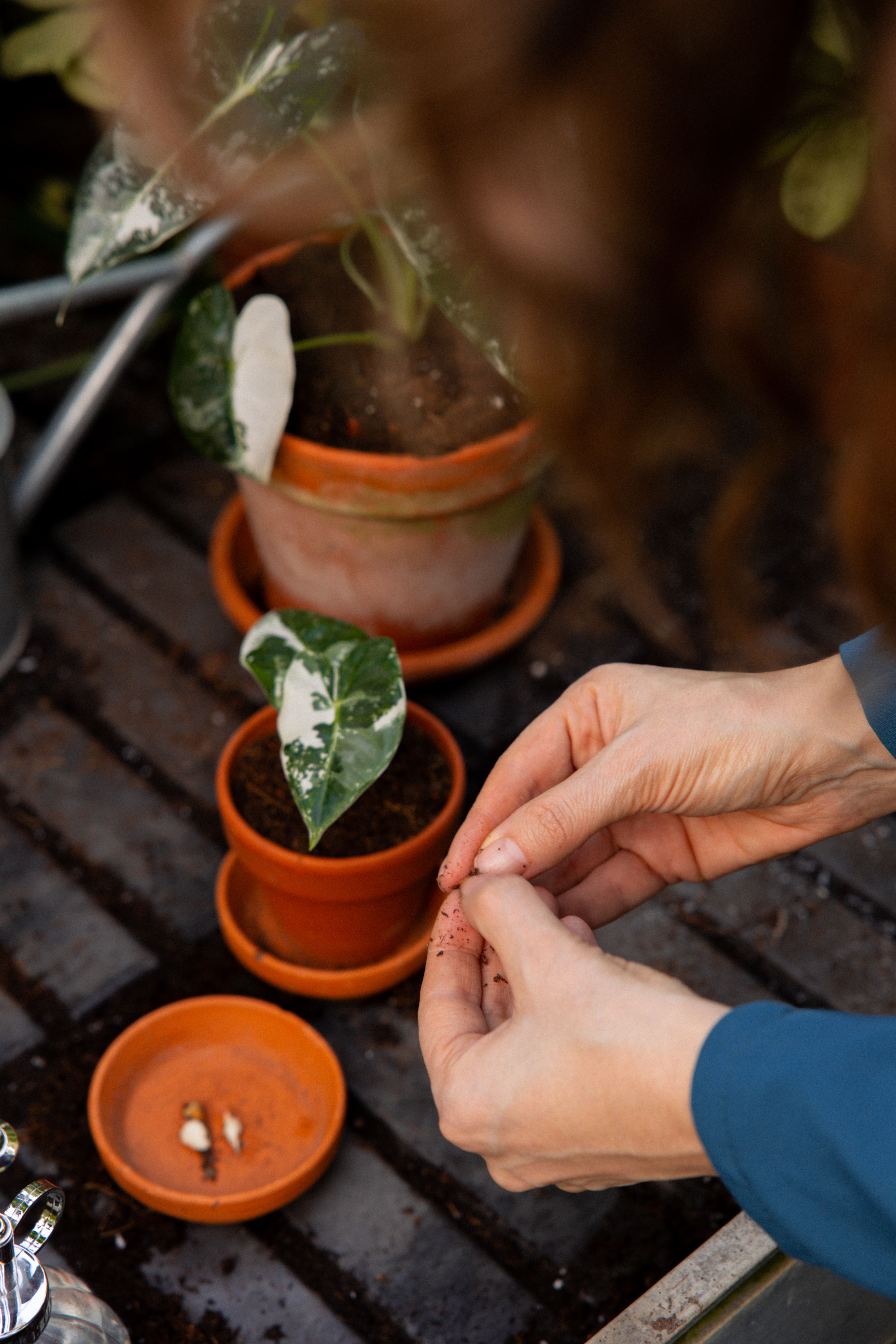
Propagation of the Frydek Variegata happens through corms: small storage bulbs that develop around the root ball of mature plants. If you repot your Frydek Variegata and find some, you’ve hit the jackpot! Here’s how to grow them:
Step 1 – Clean the corm
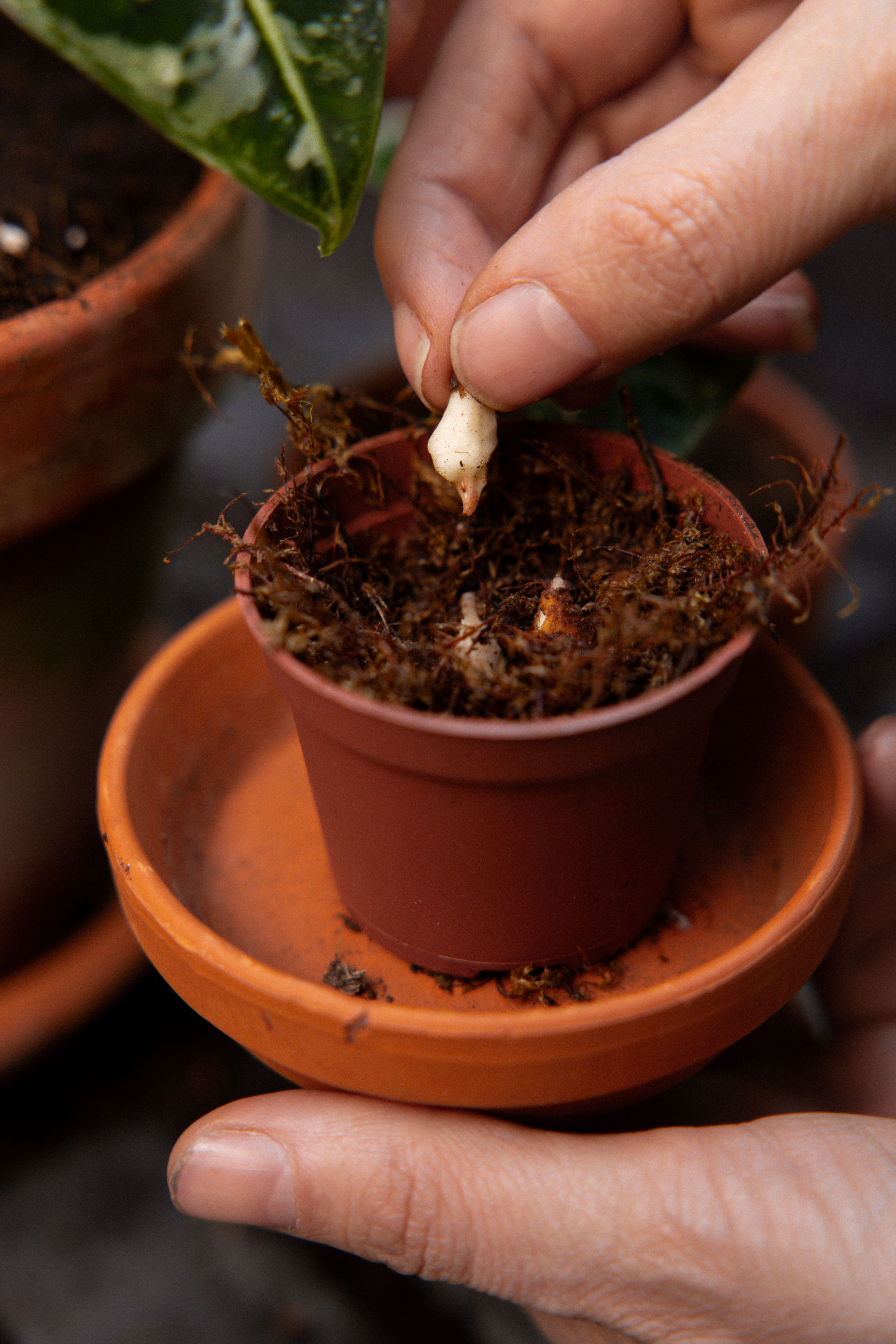
Remove the dark outer shell until the corm is creamy white. If it’s stubborn, soak it in lukewarm water first.
Step 2 – Plant the corm
Sphagnum moss in a nursery pot works perfectly for growing corms, though perlite, pon or vermiculite also do the job. Once your pot and growing medium are ready, place the corm inside with the growth point facing downward and gently press it into the substrate. Keep the medium moist (never wet!) to give your little Frydek the best start.
Step 3 – Create a mini greenhouse
Use a clear bag, plastic wrap or a greenhouse cabinet to trap humidity and warmth. Place it in bright, indirect light.
Step 4 – Patience!
Sprouting can take weeks. Some corms simply don’t grow, which is completely normal. But when one does, it’s a proud plant-parent moment!
Keep in mind… While corms from a variegated Frydek can grow into beautifully variegated plants, it’s not guaranteed. Variegation depends on the amount of variegated tissue stored inside each corm, meaning some babies may emerge highly variegated, others lightly patterned, and a few completely green. This unpredictability is part of the charm! Every corm is a little mystery waiting to reveal itself. With patience, the right conditions and a bit of luck, you might just grow your next variegated showstopper.
Buy Frydek Variegata
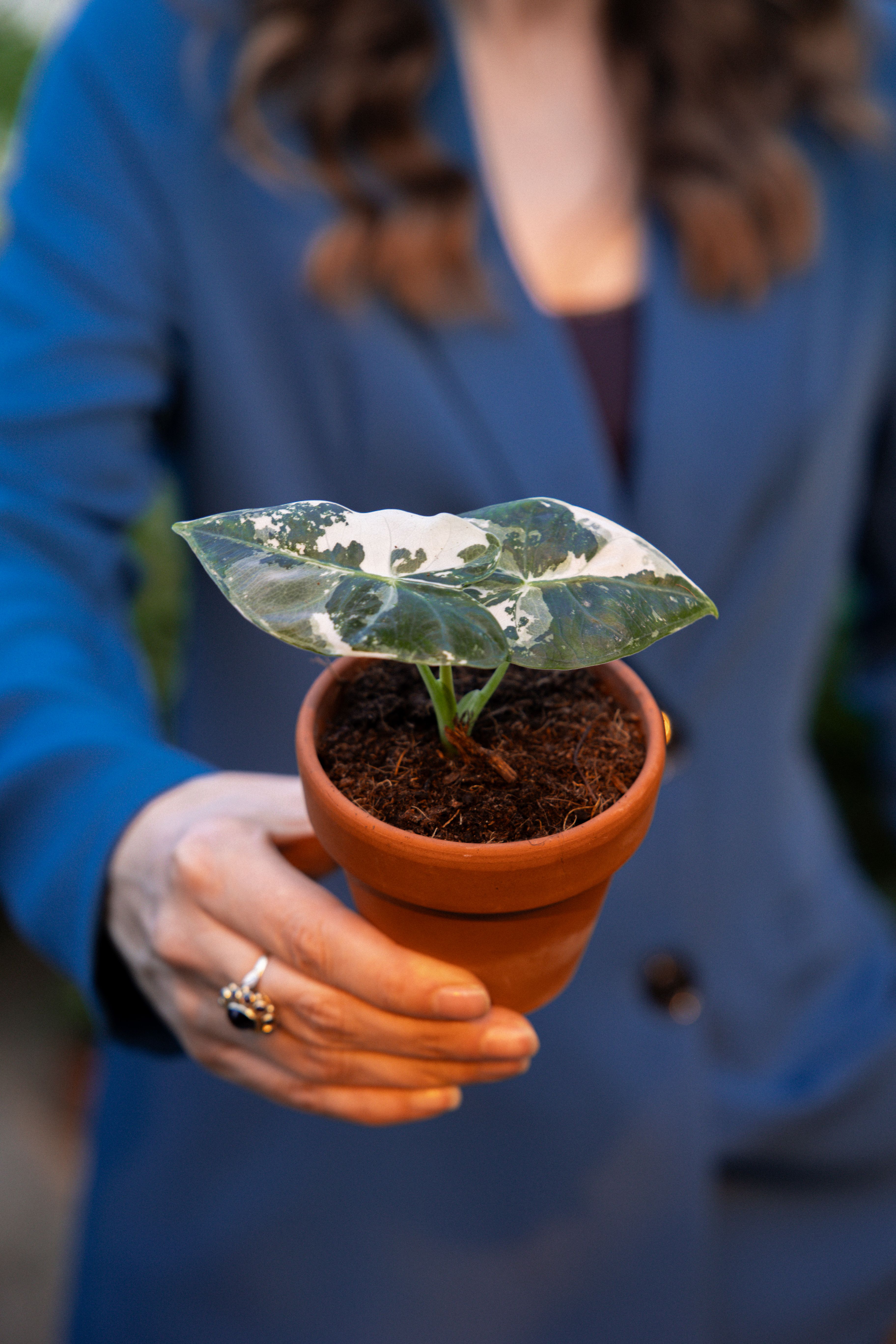
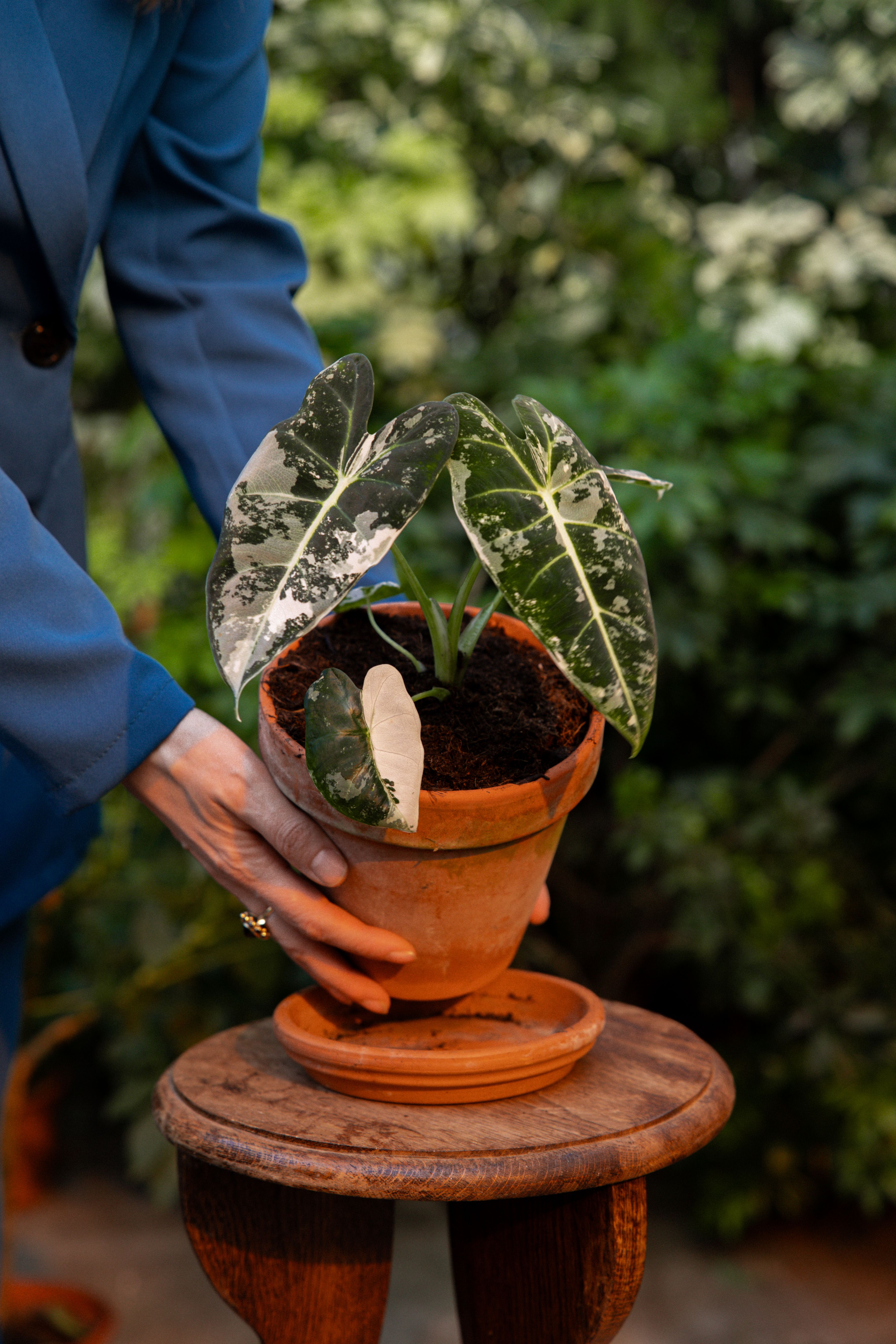
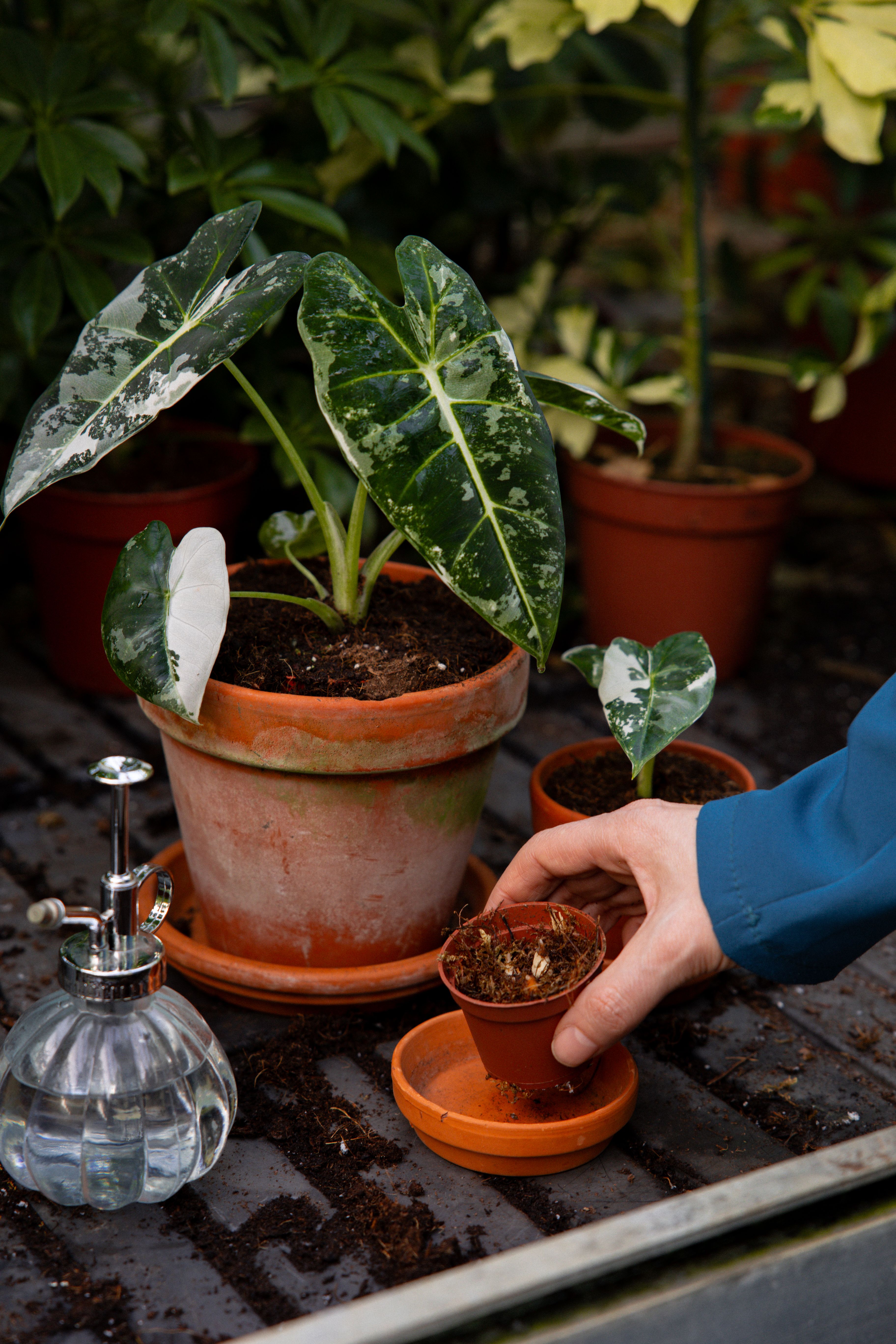
Have you fallen under the spell of the Alocasia Frydek Variegata? We don’t blame you, we’re completely smitten too. Her velvety texture, elegant shape, and magical variegation make her a true collector’s favourite.
This February, she’s available at a special plant of the month price! Choose a baby plant to watch her grow, or adopt a larger beauty to instantly elevate your jungle. One thing’s certain: this plant will be the star of your collection.
Is the Alocasia Frydek Variegata rare?
Yes, the Frydek Variegata is considered a rare and collectible plant. Its variegation occurs naturally and is not always stable, which makes producing consistently variegated plants more challenging. This limited availability, combined with its striking velvety leaves and unique patterns, makes it a highly sought-after gem among plant lovers.
Is the Alocasia Frydek Variegata hard to care for?
She’s medium difficulty. Her watering, humidity and light preferences are specific, but once you dial them in, she thrives beautifully.
How do I keep the variegation bright?
Give her plenty of bright, indirect light. Low light may produce greener leaves.
Should I mist her leaves?
You can, but misting may leave white spots on velvety foliage. A humidifier is a cleaner, more effective option.
Does she tolerate tap water?
She prefers softer water. If using tap water, let it sit for 24 hours to allow chemicals to dissipate.
What pests should I watch for?
Spider mites adore Alocasias, especially in dry air. Keep humidity up and inspect regularly.